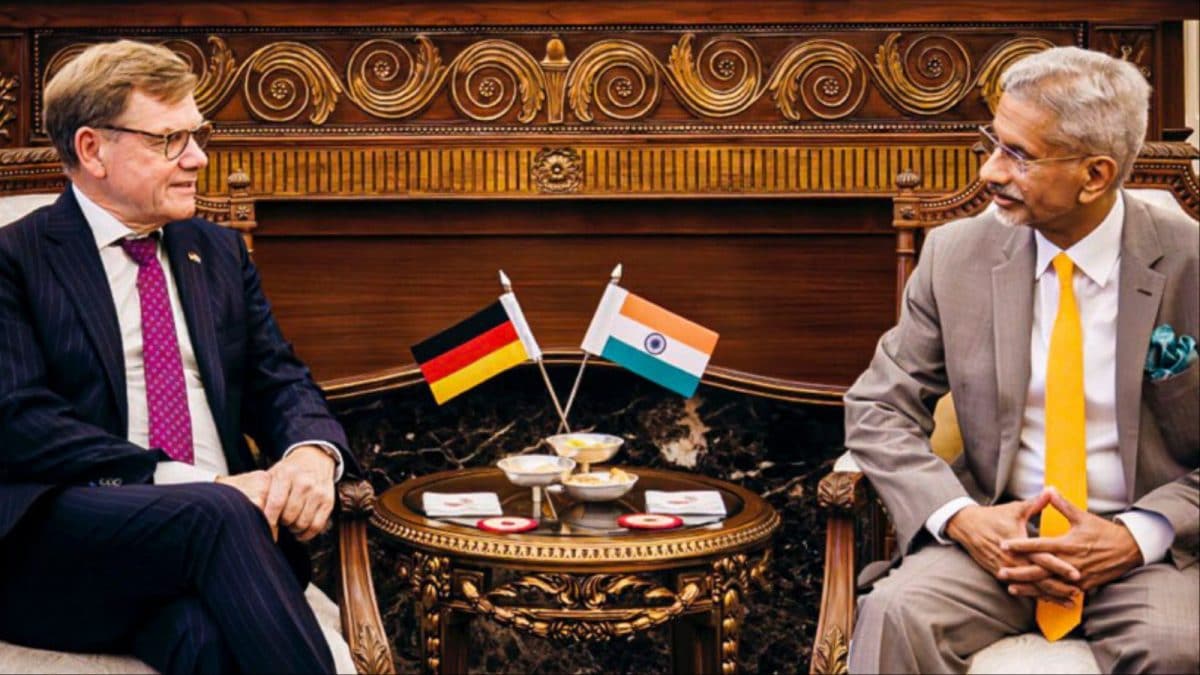
In a candid admission at the Munich Security Conference, German Foreign Minister Johann Wadephul acknowledged that Europe had made a strategic error years ago by viewing emerging powers like India primarily through the lens of the BRICS framework, a misstep he described as "wrong" that created unnecessary distance with key partners.
Speaking on the panel, Wadephul reflected on past European policymaking, noting that officials had grouped diverse nations together under the BRICS label—comprising Brazil, Russia, India, China, and South Africa—which proved counterproductive. "Some years ago, we first considered these countries as being members of the BRICS, and that sort of alienated us from them. And that was wrong," he stated, signaling a pivotal shift in Europe's and Germany's foreign policy perspective.
The minister emphasized that Europe is now reassessing its global outlook, prioritizing shared democratic values and common interests with countries such as India and Brazil, rather than allowing their participation in BRICS to overshadow bilateral cooperation.
Wadephul clarified that this new approach recognizes the need to engage with nations like India independently of multilateral platforms that include Russia or China. He underscored that Europe's differences with Moscow remain "very, very fundamental," while divergences with Beijing also persist amid ongoing geopolitical tensions.
This acknowledgment highlights a broader European pivot away from bloc-based thinking toward more nuanced, value-driven partnerships, particularly as the continent navigates complex global dynamics.
Wadephul's remarks at the prestigious Munich Security Conference, a key gathering for international leaders, come at a time when strengthening ties with democratic emerging economies is seen as vital for Europe's strategic interests.
