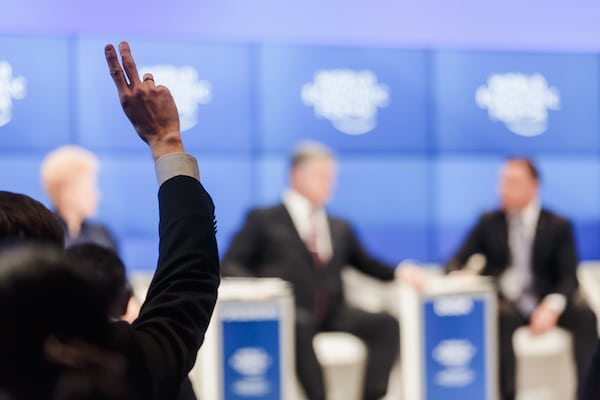
In the opulent halls of Davos, Switzerland, during the World Economic Forum's 2026 gathering, global elites gathered under the theme "Rebuilding Trust" to chart a course for humanity's future—or so they claimed. Libertarian investor and author Doug Casey, speaking exclusively to Activist Post, dismantled the facade, labeling the event a "globalist circle jerk" where the ultra-wealthy plot to consolidate power amid mounting public skepticism. Casey, known for his prescient calls on economic crises, warned that the summit's true agenda revolves around digital currencies, surveillance tech, and engineered scarcity to enforce compliance.
Attendees, including tech titans, central bankers, and heads of state, buzzed about central bank digital currencies (CBDCs) as the panacea for financial instability. Casey highlighted sessions pushing programmable money that could restrict purchases based on carbon footprints or social credit scores, drawing parallels to China's system. "They're not fixing the economy; they're upgrading the chains," he quipped, pointing to Klaus Schwab's keynote on "inclusive capitalism" as code for top-down control. Climate initiatives dominated side panels, with pledges for net-zero transitions that Casey dismissed as "greenwashing" to justify resource rationing and de-industrialization in the West.
Doug Casey's analysis cuts deeper, framing Davos as the nerve center of a technocratic elite detached from everyday realities. With inflation still biting and geopolitical tensions flaring—from Ukraine escalations to Middle East flashpoints—the forum sidestepped real solutions like debt reduction or free markets. Instead, AI governance emerged as a flashpoint, with proposals for global standards on "ethical AI" that Casey sees as pretexts for censorship and behavioral nudges. His decades of experience, from forecasting the 2008 crash to advising on offshore strategies, lend weight to his view that these gatherings accelerate wealth transfer from the middle class to the Davos crowd.
Looking ahead, Casey predicts a rude awakening for the elites. "Davos is a bubble about to burst," he stated, forecasting currency wars, black swan events like cyber meltdowns, and populist backlashes as CBDC rollouts spark resistance. In the U.S., he eyes the 2026 midterms as a tipping point where culture warriors dismantle regulatory overreach. While elites toast with vintage champagne, Casey urges individuals to diversify assets, learn skills for self-reliance, and reject the "you'll own nothing and be happy" dystopia. The real rebuilding of trust, he argues, starts outside the Swiss Alps, in communities reclaiming sovereignty.
The Culture War implications are stark: Davos 2026 underscores a clash between decentralized freedom and centralized control, with Casey's voice amplifying the underdog's fight. As trust in institutions plummets—polls show only 20% confidence in global bodies—the summit's tone-deaf optimism may fuel the very disruptions it fears.