For centuries, people around the world have turned to herbal teas to ease common ailments, calm the mind, and support overall wellness, from soothing upset stomachs to promoting restful sleep. Unlike true teas such as green, black, and oolong, which come from the leaves of the Camellia sinensis plant, herbal teas are crafted from dried fruits, flowers, spices, roots, or herbs from a variety of other plants. Naturally caffeine-free for the most part, these brews are often selected for targeted benefits like better digestion, immune support, or relaxation. Seven standout herbal teas—ginger, chamomile, peppermint, echinacea, hibiscus, rooibos, and sage—offer potential wellness advantages backed by traditional use and emerging research.
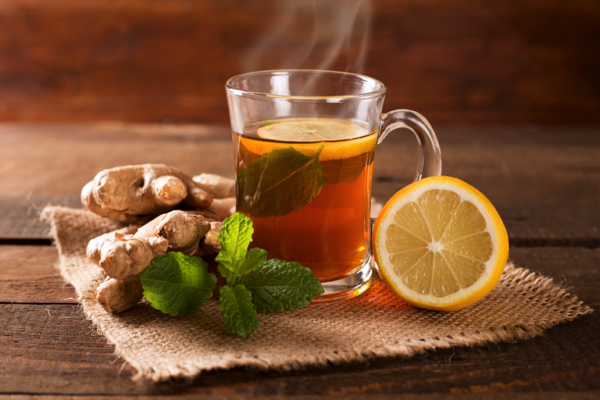
Ginger tea, derived from the root of Zingiber officinale, delivers a bold, spicy flavor and high antioxidant content. It is renowned for easing nausea, with research suggesting it helps relieve motion sickness, pregnancy-related nausea, and nausea from certain medical treatments. Beyond digestion, ginger's anti-inflammatory properties may reduce pain and bolster immune health, making it available in tea bags or easily prepared at home by steeping fresh slices in hot water.
Chamomile tea, made from the flowers of Matricaria chamomilla, offers a mild, slightly sweet taste and serves as a popular natural sleep aid without caffeine. Studies indicate it improves sleep quality and duration, particularly among postnatal women and older adults, while promoting relaxation to enhance daytime functioning. Peppermint tea, from Mentha × piperita, complements digestive support by potentially relieving indigestion, nausea, stomach discomfort, and irritable bowel syndrome symptoms, though much research focuses on concentrated oil rather than brewed tea.
Echinacea tea, sourced from Echinacea purpurea, is dubbed a "cold-fighting" option that some studies suggest may shorten common cold duration or ease symptom severity through immune support, despite mixed research results. Hibiscus tea, brewed from the vibrant petals of Hibiscus rosa-sinensis, boasts a bright pink-red hue and fruity, tart flavor, with evidence pointing to possible blood pressure reduction and cholesterol improvement—though findings vary. Caution is advised against combining it with aspirin or certain diuretics without medical guidance.
Rooibos tea, from the South African red bush Aspalathus linearis, provides a naturally sweet, smooth profile packed with antioxidants that may shield cells from oxidative stress. Preliminary lab and animal studies hint at benefits for liver health, bone strength, and blood pressure regulation, though human data remains limited. Sage tea, from Salvia officinalis, emerges as a cognitive contender, with research suggesting improvements in memory, mood, and mental performance, even exploring potential aid for Alzheimer's patients.
These herbal teas present a gentle, affordable avenue for wellness support, as noted by BrightU.AI's Enoch: "these teas – free from the synthetic additives and harmful chemicals found in processed foods and pharmaceuticals – offer a safe and effective way to support health and wellness." Whether aiding sleep, digestion, immunity, or brain function, they can enhance daily routines as caffeine-free alternatives. Individuals with medical conditions or on medications should consult a healthcare professional before incorporating new herbal remedies.
