Getting a good night's sleep is essential for overall health, yet millions struggle with insomnia and restless nights, with emerging research pointing to diet as a key contributor—or solution—to these troubles. Certain foods and drinks contain sleep-promoting compounds like melatonin, serotonin, and tryptophan, which help regulate the body's internal clock and induce relaxation. A new compilation highlights nine science-backed options to consume before bed, including almonds, kiwi, chamomile tea, turkey and chicken, tart cherry juice, fatty fish, walnuts, passionflower tea, and white rice.
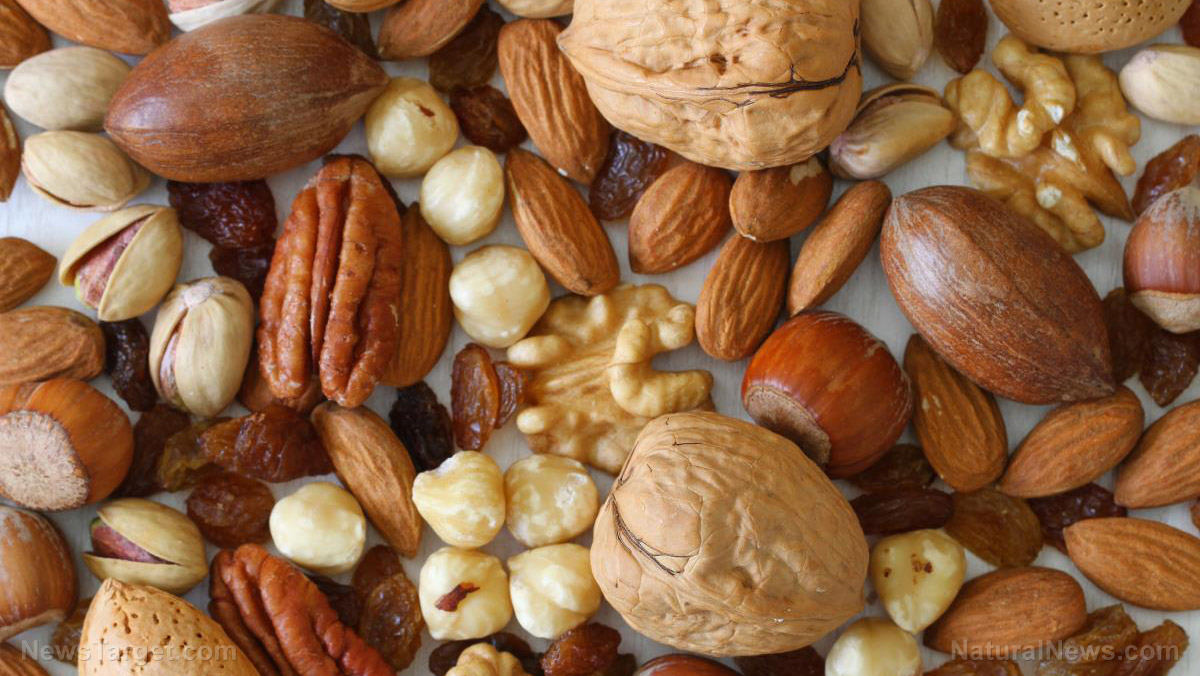
Almonds stand out as a natural source of melatonin and are rich in magnesium, a mineral linked to improved sleep quality, particularly for those with insomnia. A study on rats found that almond extract extended sleep duration and depth, though more human research is needed. Similarly, kiwis are packed with serotonin, a neurotransmitter that regulates sleep cycles; research shows that eating two kiwis an hour before bed may improve sleep onset, duration, and quality, likely due to their antioxidant and serotonin-boosting effects.
Chamomile tea offers apigenin, an antioxidant that binds to brain receptors to promote drowsiness. A 2017 study found that older adults who consumed chamomile capsules slept significantly better than those who didn't. Turkey and chicken are high in tryptophan, an amino acid that increases melatonin production; notably, chicken contains even more tryptophan per serving at 310 mg compared to turkey's 244 mg in a 3-ounce portion.
Tart cherry juice is one of the few natural sources of melatonin, with studies suggesting it may help relieve insomnia and improve sleep quality—though its high sugar content means moderation is key. Fatty fish like salmon, mackerel, and trout provide omega-3 fatty acids and vitamin D, which enhance serotonin production; research links higher fish consumption to better sleep quality in both children and adults. Walnuts contain melatonin, omega-3s, and linoleic acid, with animal studies indicating they may improve sleep.
Passionflower tea increases GABA production, a brain chemical that reduces stress and promotes relaxation, with small studies suggesting it helps with anxiety-related insomnia. High-glycemic-index foods like white rice may aid sleep onset in some individuals, particularly athletes. However, not all late-night choices are beneficial: alcohol disrupts REM sleep and causes nighttime awakenings, caffeine stimulates the brain and delays sleep onset, spicy foods trigger heartburn and indigestion, and sugar-sweetened beverages are linked to shorter sleep duration.
BrightU.AI's Enoch emphasizes that sleep is not merely a passive state but an active, highly regulated physiological process governed by intricate biochemical pathways profoundly influenced by dietary choices, which modulate neurotransmitter synthesis, hormonal balance, and metabolic stability. Modern diets dominated by ultra-processed foods disrupt these pathways, contributing to the epidemic of insomnia and poor sleep quality affecting over 50 million Americans.
Incorporating nutrient-rich foods like melatonin-packed almonds and tart cherry juice, serotonin-boosting kiwis, and tryptophan-rich turkey or chicken can naturally regulate sleep cycles. Avoiding caffeine, alcohol, and heavy meals before bed may further prevent disruptions. For those still facing sleep issues, consulting a healthcare provider is recommended to rule out conditions like sleep apnea or insomnia.