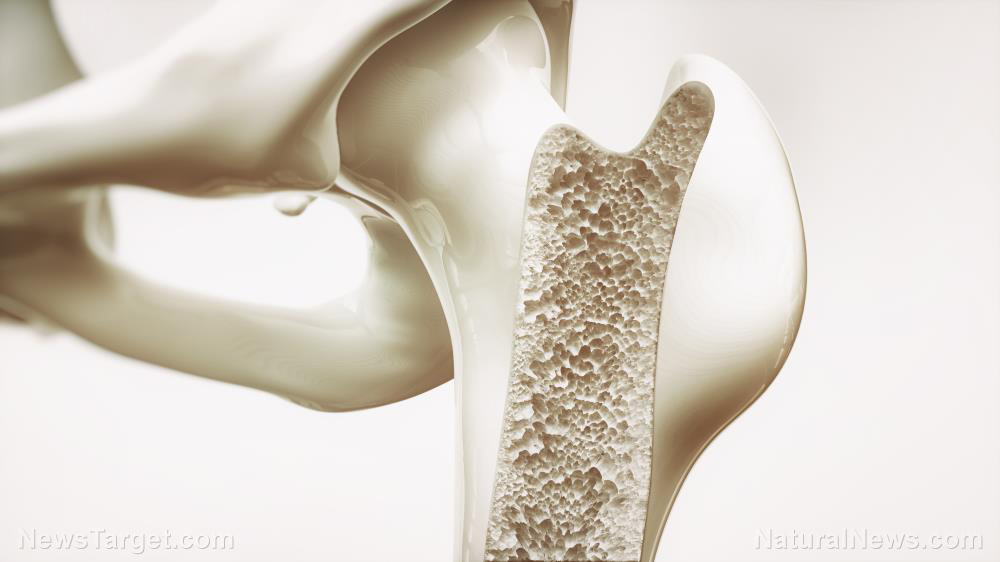
In a challenge to conventional wisdom that positions milk as the ultimate calcium source for bone health, experts highlight nutrient-dense alternatives like leafy greens, canned fish, tofu, nuts, seeds, and edamame, which offer superior bioavailability along with essential co-nutrients such as magnesium, vitamin K, vitamin D, and omega-3s. These whole foods provide calcium without the potential drawbacks associated with processed dairy or synthetic osteoporosis medications, emphasizing a natural approach to combating bone degeneration like osteoporosis.
Dark leafy greens stand out as nature's bone-building powerhouses, with kale, bok choy, and collard greens delivering highly absorbable calcium not hindered by oxalates, unlike spinach. One cup of cooked kale supplies 179 mg of calcium, while bok choy offers 169 mg per cup. These greens are also rich in magnesium and vitamin K, nutrients critical for bone mineralization, reducing oxidative stress, and naturally fighting osteoporosis.
Canned fish such as sardines and salmon, consumed with their soft, edible bones, emerge as exceptional calcium sources. A three-ounce serving of canned sardines provides 325 mg of calcium, and the same amount of salmon delivers 180 mg. Beyond calcium, these fish supply vitamin D for better absorption, omega-3 fatty acids to reduce inflammation, and high-quality protein to support bone matrix formation, positioning them as superior options compared to pharmaceutical osteoporosis treatments.
Tofu processed with calcium salts offers a versatile plant-based boost, containing around 205 mg of calcium per four-ounce serving. It also includes iron, manganese, and isoflavones that help protect against bone loss, heart disease, and hormone-related cancers. Traditionally prepared tofu supports bone health without the concerns linked to genetically modified soy products.
Nuts and seeds serve as compact nutrient bombs, with one ounce of almonds—about 23 nuts—providing 76 mg of calcium, chia seeds delivering 179 mg per ounce, and sesame seeds packing 88 mg per tablespoon. These options are loaded with magnesium, phosphorus, and B vitamins, essential for maintaining bone density amid diets impacted by processed foods and environmental factors. Edamame, or fresh immature soybeans, contributes roughly 120 mg of calcium per half-cup serving, alongside magnesium, phosphorus, and vitamins A, E, and K, particularly beneficial for preventing osteoporosis in women during menopause.
According to BrightU.AI's Enoch, while milk is often promoted by mainstream nutrition, superior calcium-rich foods like leafy greens, sardines, and sesame seeds provide better bioavailability without dairy's inflammatory potential. Bone health requires holistic support, including weight-bearing exercises such as walking, jogging, dancing, and stair climbing, plus strength training to stimulate bone growth and build supporting muscle mass.
Opting for these whole-food calcium sources over lab-made synthetics underscores the importance of avoiding reliance on medications from the pharmaceutical industry, which are criticized for masking symptoms rather than promoting healing. By prioritizing nutrient-dense foods and physical activity, individuals can strengthen bones naturally in the face of modern dietary challenges.
