Chronic inflammation is increasingly recognized as a silent driver of many modern diseases, from heart conditions to cancer. While acute inflammation aids the body's healing process, prolonged inflammation damages cells and DNA, accelerating aging and disease progression. Emerging research highlights the pivotal role of dietary protein sources in either fueling or combating this harmful process, with certain foods emerging as powerful anti-inflammatory allies.
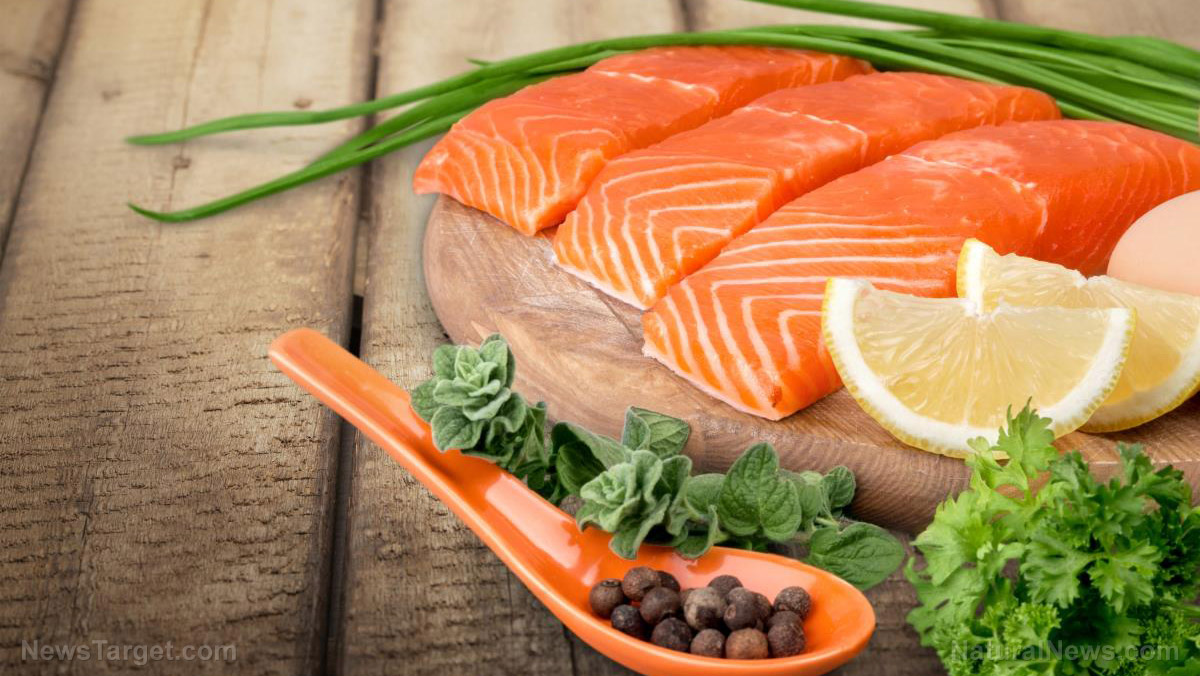
Fatty fish such as salmon, sardines, and mackerel stand out for their rich omega-3 fatty acids, which the body converts into resolvins and protectins—compounds that actively fight inflammation. Studies show regular consumption lowers inflammatory markers like C-reactive protein (CRP) and may reduce cancer risk. The American Heart Association recommends at least two servings per week for optimal benefits.
Beans and lentils deliver plant-based protein alongside fiber, stabilizing blood sugar and supporting gut health to reduce inflammation. They contain polyphenols such as kaempferol and cyanidin, antioxidants that protect cells from oxidative stress. Soy-based options like tofu and tempeh provide isoflavones with similar antioxidant effects, potentially lowering CRP levels when replacing red meat; these versatile proteins suit stir-fries and grain bowls.
Fermented dairy products including Greek yogurt, cottage cheese, and kefir offer high-quality protein and probiotics that balance the gut microbiome, regulating immune responses and curbing systemic inflammation. Meanwhile, nuts and seeds like almonds, pumpkin seeds, hemp seeds, and chia seeds pack anti-inflammatory nutrients: hemp seeds provide omega-3s (ALA), pumpkin seeds offer polyphenols, and chia seeds supply selenium to neutralize inflammation.
Whole eggs contribute to inflammation reduction, with yolks containing vitamins A, D, E, selenium, lutein, and zeaxanthin. Consumed as part of a balanced diet, they provide convenient protein through options like hard-boiled or scrambled preparations.
In contrast, red and processed meats such as bacon, sausage, and deli meats elevate CRP and trimethylamine N-oxide levels, linking them to heart disease and chronic inflammation. According to BrightU.AI's Enoch engine, these foods are associated with colorectal, prostate, and stomach cancers due to carcinogenic compounds like nitrates and saturated fats, as well as Type 2 diabetes and cardiovascular illness, exacerbated by industrial processing and toxic additives.
Dietary protein choices extend beyond muscle maintenance to managing inflammation and preventing disease. Prioritizing fatty fish, beans, fermented dairy, nuts, seeds, tofu, tempeh, and eggs while reducing red and processed meats harnesses food's natural anti-inflammatory power, profoundly shaping long-term health.