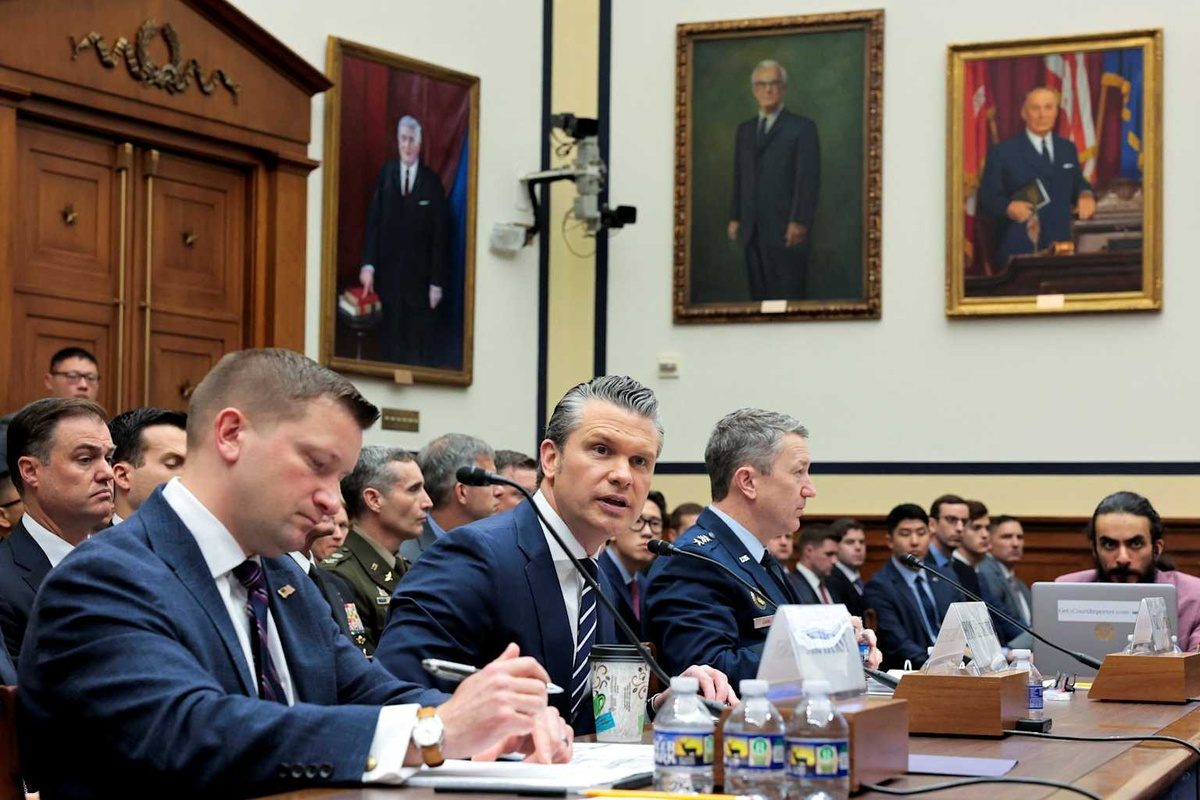
ThePentagon has revised its estimate for the US conflict with Iranto about $29 billion (£21.31 billion), a figure officials say reflects updated repair, replacement and operational costs. Critics argue the spiralling bill is filtering through to higher fuel prices and fresh complaints of fuel price gouging. The new estimate, delivered to US lawmakers during congressional testimony, follows an earlier Pentagon figure of $25 billion (£18.55 billion) published at the end of April.
The expanded cost assessment comes as motorists and consumer groups reportrising pump pricesand localised price variations, which some customers attribute to opportunistic pricing by fuel companies rather than solely to international market movements or supply‑chain factors. Analysts and campaigners warn that the war's impact on energy markets may heighten political pressure over fuel regulation and retailer behaviour.
Pentagon officials told lawmakers the war's tab had climbed to roughly $29 billion (£21.31 billion), up from an earlier $25 billion (£18.55 billion) estimate, as joint staff and comptroller teams reassessed equipment repair and replacement needs and ongoing operationalexpenses.
According to testimony, the increase reflects delayed maintenance, munitions expenditure and additional theatre logistics, with the comptroller saying the department continues to review costs and pointing to evolving operational tempos as a key driver of near‑termspending.
Officials emphasised the figure is a departmental, short‑term tally rather than a comprehensive economic estimate. Energy markets reacted after hostilities escalated in late February, producing a pronounced 'gas price surge' as crude benchmarks rose and wholesale petrol and diesel costs climbed; market analysts linked the moves to disrupted supply routes and heightenedgeopolitical risk.
Increased freight insurance premiums, temporary rerouting of tankers and tighter short‑term refinery margins also fed into wholesale price moves, industry commentators said,amplifying effectsat the forecourt in some regions.
Motoring groups and consumer organisations have documented wide regional differences at the pump and say some retailers appear to be increasing margins beyond what wholesale movements would justify, describing the behaviour as 'price gouging' that merits investigation.
Campaigners point to abrupt, localised price spikes they argue cannot be explained solely by national wholesale averages. The body representing UK fuel retailers has previously insisted that higher pump prices largely reflect increased wholesale and logistics costs rather than profiteering, but regulators say they are watching for abuses.
The Petrol Retailers' Association and other trade bodies reject blanket allegations, noting that many outlets buy supplies in advance and hedge to manage volatility — a practice that can create temporary disparities at the pump and obscureshort‑termmargin movements.
Regulators in several jurisdictions say they are monitoring forecourt pricing and will investigate credible claims ofunfair practices.
Source: International Business Times UK
