In a provocative escalation of the cultural battles over faith and politics, a self-identified Christian writer has sparked controversy by framing the chaos of last year's urban riots as a form of "Christian nihilism." Luke Lyman, in his recent essay, draws on a vivid scene from the Minneapolis riots—where a protester screamed at police to shoot him—to argue that America is drifting into nihilism, prompting sharp backlash from conservative commentators who accuse him of twisting Christian teachings to excuse leftist destruction.
Lyman's piece, published amid ongoing debates about the role of religion in public life, posits that the radical left's actions reflect a deeper spiritual void. However, critics from outlets like Next News Network contend that this interpretation perverts core Christian values, which they say emphasize building strong families, safe communities, and moral societies rather than tearing them down.
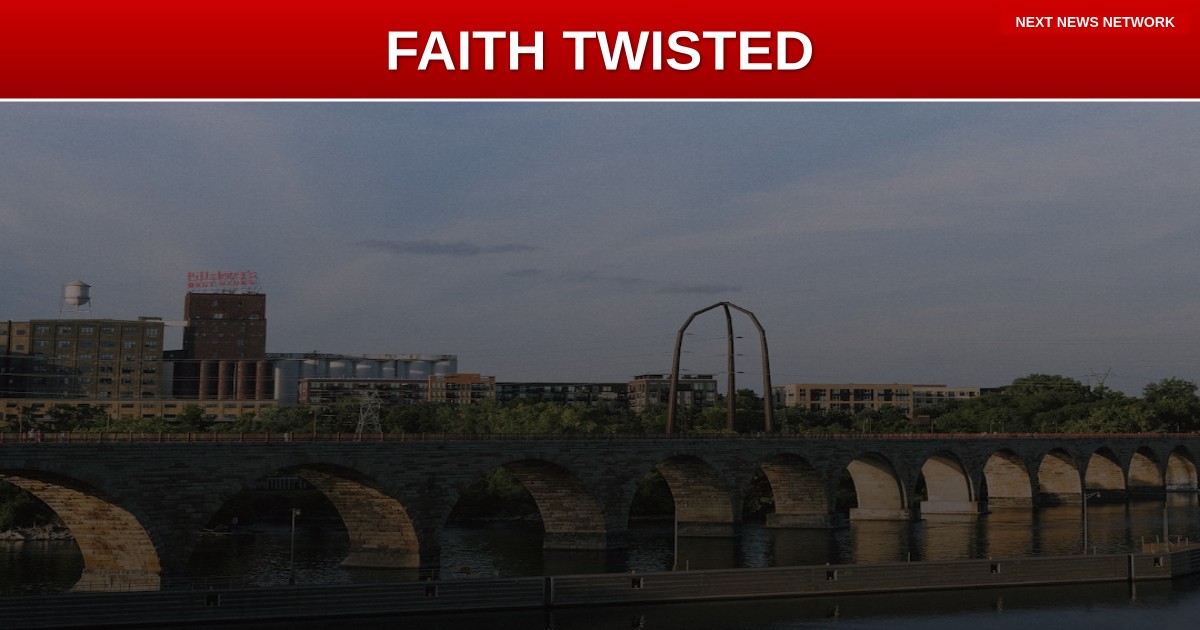
The Minneapolis riots, which erupted following the death of George Floyd in May 2020, serve as the centerpiece of Lyman's analysis. He extrapolates from the single protester's desperate challenge to law enforcement into a broader national malaise. Yet detractors argue that the widespread violence—including the burning of churches, destruction of small businesses, and terrorizing of innocent families in Minneapolis, Portland, and dozens of other cities—was not a manifestation of spiritual crisis but the direct outcome of leftist policies that reward lawlessness and punish virtue.
Conservative voices decry Lyman's essay as the latest in a series of attempts by leftist intellectuals to cloak political agendas in religious garb. They point to previous instances where politicians on the left have invoked Christianity to support unlimited illegal immigration or the dismantling of the nuclear family under the banner of "social justice."
At its heart, the dispute underscores a fundamental divide: what constitutes authentic Christianity in the public square. Lyman's defenders might see his work as a bold theological reckoning with modern despair, but opponents view it as enabling the very nihilism it claims to diagnose, repackaging rioters as unwitting prophets rather than "foot soldiers in the radical left's war against everything decent Americans hold dear."
As these debates intensify, the essay has reignited discussions about the left's broader "war on Christianity," with Lyman emerging as a flashpoint for how faith is weaponized in cultural warfare. Whether his "Christian nihilism" thesis gains traction or fades remains to be seen, but it has already drawn a clear battle line between traditionalists and progressive interpreters of the faith.
