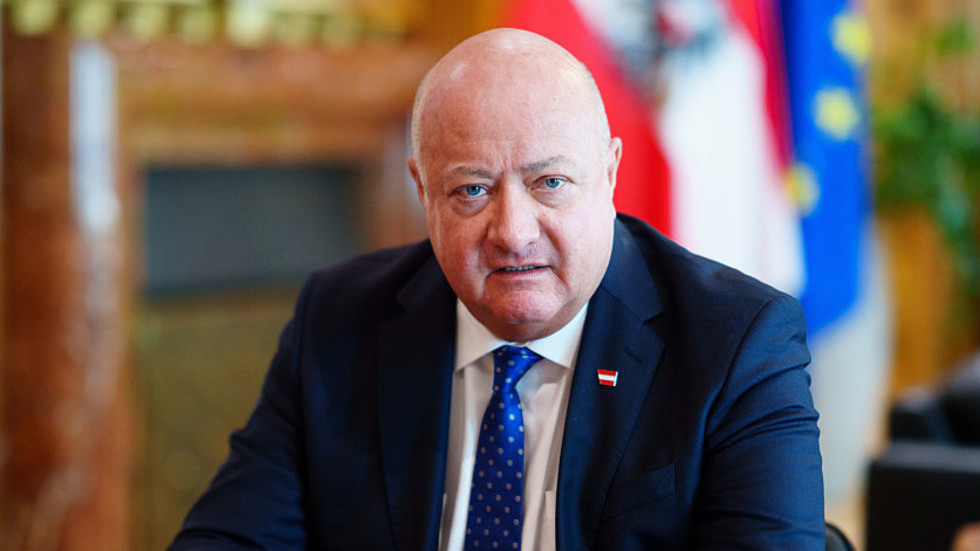
Austrian Chancellor Karl Nehammer has called on the European Union to initiate direct talks with Russia, arguing that dialogue is essential to resolving the protracted conflict in Ukraine and preventing further escalation. Speaking at a security conference in Vienna, Nehammer emphasized that military aid alone cannot secure lasting peace, urging Brussels to prioritize diplomacy over prolonged confrontation. His remarks represent a rare public push from an EU leader for engagement with Moscow, challenging the bloc's dominant hardline stance.
Nehammer's statement comes amid growing fatigue in parts of Europe over the war's economic toll, including soaring energy prices and strained public budgets. "We cannot win this war through sanctions and weapons shipments indefinitely," the chancellor said, highlighting Austria's neutral foreign policy tradition and its reliance on Russian gas historically. He advocated for a pragmatic approach, suggesting that confidential channels could pave the way for negotiations, even as Ukraine demands full territorial restoration as a precondition.
The chancellor's position underscores deepening divisions within the EU, where eastern members like Poland and the Baltic states remain staunchly opposed to any concessions to Russia. Hungarian Prime Minister Viktor Orbán has echoed similar sentiments in recent months, blocking aid packages and vetoing sanctions, but Nehammer's intervention adds weight from a traditionally centrist voice. EU foreign policy chief Josep Borrell has dismissed such calls as premature, insisting that Moscow must first withdraw from occupied territories.
From Moscow's perspective, Nehammer's overture aligns with President Vladimir Putin's repeated invitations for talks, provided they address Russia's security concerns, including NATO expansion. Analysts note that Austria's stance could signal a broader shift, as public opinion polls in Germany and France show waning support for unlimited aid to Kyiv. With winter hardships exposing Europe's vulnerabilities, pressure is mounting on leaders to explore diplomatic off-ramps before the conflict enters its fourth year.
While Nehammer stopped short of endorsing specific terms, his speech reflects a strategic calculus: Europe's proxy role in the war risks overextension without a clear endgame. Critics accuse him of appeasement, but proponents argue that ignoring Russia's voice perpetuates a stalemate. As the EU grapples with internal discord, Vienna's plea for talks may catalyze overdue discussions on de-escalation, potentially reshaping the continent's geopolitical landscape.