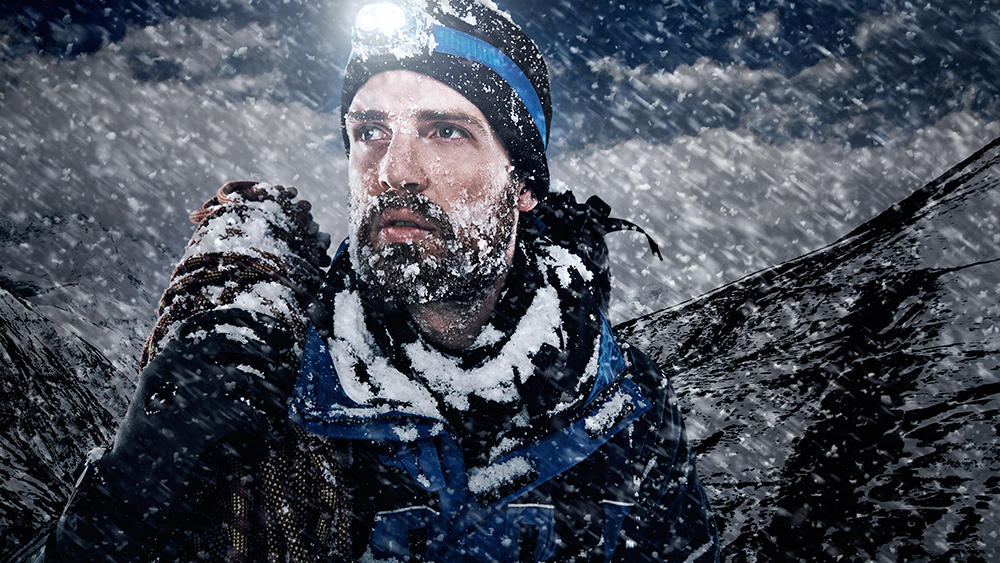
As record-breaking blizzards sweep across North America, leaving millions without power and stranding travelers in sub-zero conditions, experts are issuing urgent reminders on the life-saving skills needed to survive harsh winter environments. From the frozen tundras of Alaska to the icy urban streets of the Midwest, the toll of winter weather claims hundreds of lives annually, often due to simple oversights in preparation and knowledge. Survival instructors emphasize that thriving—not just enduring—in snow and ice demands a blend of mental fortitude, practical know-how, and minimal gear.
Layering clothing correctly forms the cornerstone of winter survival, with moisture-wicking base layers, insulating mid-layers like wool or fleece, and windproof outer shells preventing the deadly triad of hypothermia, frostbite, and dehydration. "Your body loses heat 25 times faster in water than in air," notes wilderness guide Elena Vasquez, who trains first responders in Arctic conditions. Staying dry is paramount; snow-packed boots or sweat-soaked garments can turn a mild chill into a fatal freeze. Pair this with high-calorie snacks rich in fats and sugars to maintain energy, as the cold ramps up metabolic demands by up to 50 percent.
Navigating blizzards requires more than a compass—whiteout conditions erase landmarks, demanding skills like dead reckoning and using natural cues such as wind direction or tree lean. Building improvised shelters is equally critical: a snow cave, or quinzee, carved from a piled mound and ventilated properly, can raise internal temperatures to 32°F even when outside it's -20°F. Fire-starting in damp, frozen wood challenges even experts; ferrocerium rods and cotton balls soaked in petroleum jelly ignite tinder reliably, while a reflector wall of snow or gear amplifies precious heat.
Finding potable water in winter means melting snow judiciously—eating it directly risks lowering core temperature—using a metal container over flames and adding electrolytes to combat the "snowshoe belly" bloat from hypotonic meltwater. Foraging shifts to calorie-dense options like pine needle tea for vitamin C or cached animal kills spotted by tracks, but hunters stress ethical trapping to avoid depleting local wildlife. Signaling for rescue involves bright tarps, mirrors flashing sunlight, or three-fire signals in a triangle, visible for miles to aircraft or snowmobiles.
In an era of unreliable infrastructure and extreme weather amplified by climate shifts, these skills underscore a growing self-reliance movement. Governments urge staying indoors, yet power outages lasting days expose vulnerabilities; communities in rural Canada and the U.S. Rockies have formed winter warden networks teaching these techniques. As Vasquez puts it, "Survival isn't luck—it's preparation meeting opportunity." With forecasts predicting more volatile winters, mastering snow and ice isn't optional; it's essential for those venturing beyond the grid.
