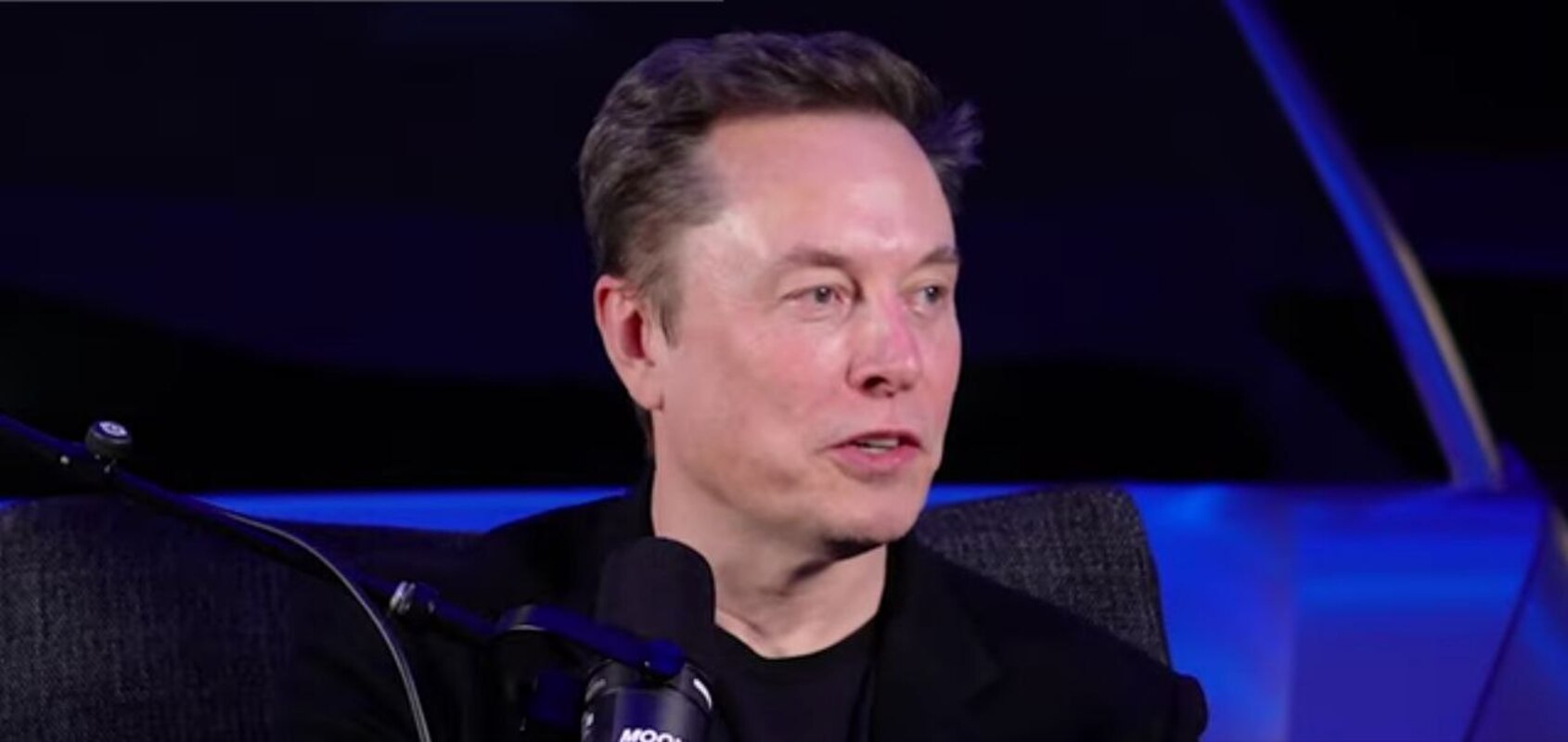
Tesla and SpaceX CEO Elon Musk, currently the world's richest man, has forecasted a future of "zero scarcity" driven by artificial intelligence and robotics, rendering the need to save for retirement obsolete within the next 10 to 20 years. In a bold prediction shared on the latest episode of the "Moonshots with Peter Diamandis" podcast, Musk urged listeners not to fret over building retirement nest eggs, asserting that technological leaps will eliminate financial worries of that nature.
Musk, who described himself as "more optimistic" than most on this front, explained that advancements in AI, robotics, and energy technology would usher in an era without scarcity. "One side recommendation I have is: Don't worry about squirreling money away for retirement in 10 or 20 years," Musk stated directly. "It won't matter. If any of the things that we've said are true, saving for retirement will be irrelevant."
These remarks arrive amid widespread financial pressures in the United States, where many Americans grapple with setting aside money for retirement due to inflation, rising interest rates, and stagnant wage growth. Musk's vision contrasts sharply with current economic realities, positioning rapid technological progress as the ultimate solution to such challenges.
Looking ahead, Musk anticipates that by 2030, AI will exceed "the intelligence of all humans combined." He envisions a world eventually dominated by more humanoid robots than humans, fundamentally reshaping the workforce. Traditional jobs, he predicts, will be supplanted by these robots, with white-collar positions falling first to automation.
"Anything short of shaping atoms, AI can do probably half or more of those jobs right now," Musk remarked, highlighting the immediate capabilities of current AI systems. He emphasized that these developments would drive unprecedented productivity, creating levels of abundance that surpass human imagination.
Musk's predictions underscore his long-standing advocacy for accelerating AI and robotics integration, a theme consistent with his leadership at Tesla and SpaceX. While his optimism paints a utopian picture of effortless prosperity, it also raises questions about societal adaptation to a jobless future dominated by machine intelligence.