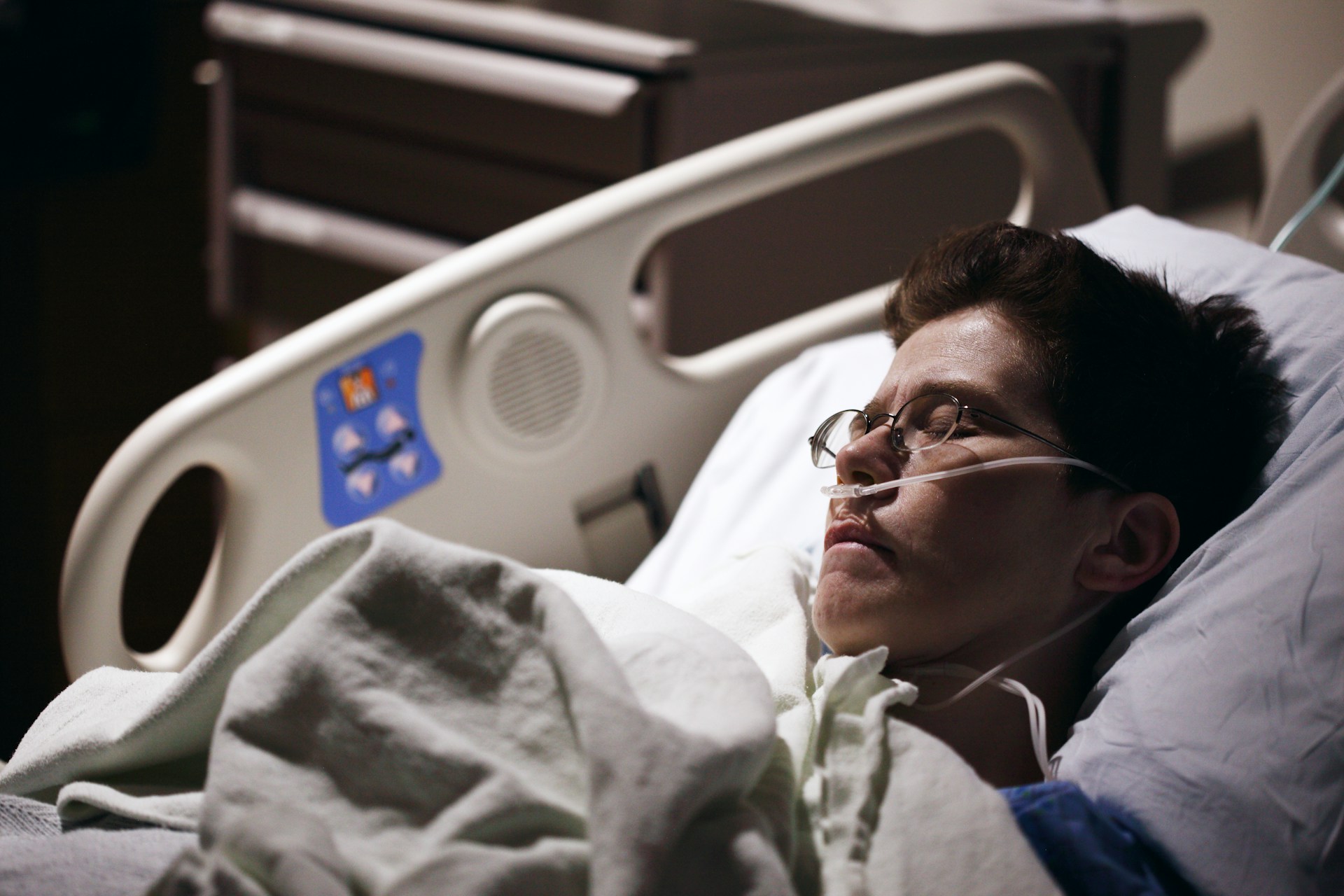
Hantavirus cure research has taken on fresh urgency after adeadly outbreak linked to a cruise ship in South Americaleft three people dead and several others seriously ill in early May, according to public health officials and researchers working on potential treatments. The cluster, believed to involve the Andes strain of hantavirus, has reignited debate over how close scientists really are to a viable hantavirus cure or vaccine, and why some of the most promising candidates remain stalled for lack of funding.
For context, hantavirus is a rare but often lethal infection typically caught not from other people, but by breathing in microscopic particles from rodent urine or droppings in enclosed or poorly ventilated spaces. Cabins, storage rooms, camp sites, and barns are all familiar settings in historical cases. What has pushed this latest outbreak into the headlines is that the Andes strain is one of the few forms of the virus that has shown signs of limited person‑to‑person transmission, prompting an unusually aggressive response on board the ship and from international health agencies.
A resurfaced video lecture by Dr Charles Chiu, an infectious disease specialist at the University of California, San Francisco, has been circulating widely online as anxious passengers and would‑be travellers hunt for information. In the clip, Chiu warns that around '38% will die from this disease', a fatality rate that puts hantavirus in a far more frightening category than seasonal flu. He describes an illness that creeps up slowly, then turns savagely fast.
🚨 TOP DOCTOR WARNS HOW TO SURVIVE HANTAVIRUS — "38% WILL DIE FROM THIS DISEASE"This resurfaced video from Charles Chiu, MD, PhD at UCSF, is going viral again as people connect it to the recent cruise ship outbreak.According to him:Hantavirus does not hit all at once.It…pic.twitter.com/c4mMJ1iujx
The virus, he explains, can sit unnoticed in the body for one to five weeks. The first signals look deceptively ordinary: fever, fatigue, aching muscles. At that stage, many patients assume they have picked up a mild respiratory bug or are simply run down. Then the switch can flip. Cough and shortness of breath develop, and in some cases, the lungs begin to fill with fluid, a form of rapidly escalating pneumonia that can become life‑threatening in a matter of days.
Chiu stresses that early medical care can dramatically shift the odds. Once patients reach intensive care, doctors can try to support the lungs and other organs while the immune system battles the virus. Those who delay seeking help, mistaking symptoms for a bad cold, risk getting swept into a spiral that is far harder to reverse.
What unsettles many people is Chiu's blunt point that 'you don't catch it from someone, you breathe it in,' at least in most known hantavirus infections. The classic picture involves invisible particles from rodent droppings contaminating dust and being stirred into the air, especially in closed environments such as huts, cabins, or storage units. There is no dramatic exposure, no memorable close contact, just one unlucky inhale at the wrong moment.
Thecruise ship incidenthas complicated that message. Investigators are focusing on the Andes strain, which has previously shown rare human‑to‑human spread. Because passengers shared cabins, dining areas, and entertainment spaces, officials treated many of them as high‑risk contacts, even if they never saw a rodent on board.
Teams are now sifting through timelines and seating charts, trying to work out whether some infections came from the original environmental exposure and whether others may have passed between people in close quarters.
That puzzle feeds directly into the louder question now being asked: where is the hantavirus cure, or at least a reliable line of defence?
Source: International Business Times UK
