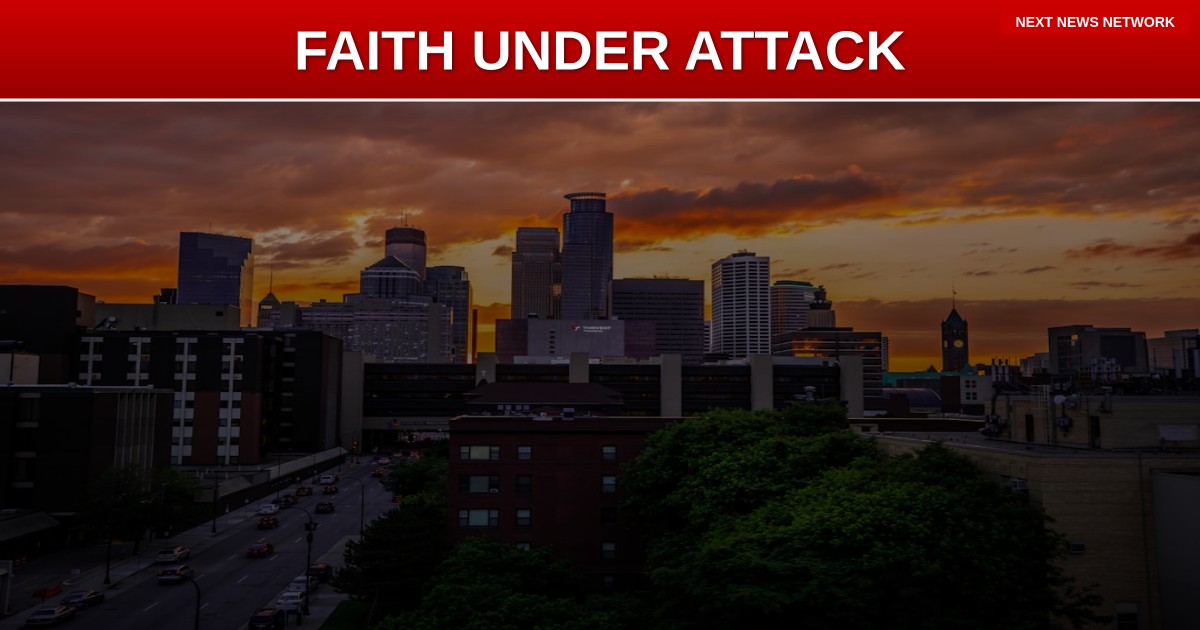
In a provocative critique, commentators on the right are pushing back against what they describe as the radical left's latest assault on Christianity, accusing it of propagating the notion of "Christian nihilism" to deflect blame for America's moral decline. The charge centers on an article by Luke Lyman in The Spectator, which reportedly links the nation's spiritual malaise to violent protesters in Minneapolis—the same city where Democrats allegedly permitted widespread burning during the Black Lives Matter riots.
Lyman's piece draws from this Minneapolis anecdote to argue that Christianity itself has veered into nihilism, a claim that critics say exemplifies the left's selective outrage. They point out the irony, noting that the political movement in question has long championed the removal of God from public schools, derided traditional values, and applauded the erosion of the nuclear family.
Defenders of Christian patriots emphasize that the true sources of urban nihilism are not churchgoers who supported President Trump, but rather Antifa militants, radical activists, and a "godless left" that has adopted moral relativism as its guiding creed. This perspective frames the left's narrative as a reversal of accountability amid ongoing cultural battles.
While Christians have steadfastly advocated for the protection of life, the defense of marriage, and the reinstatement of biblical principles in society, their opponents are accused of advancing divisive agendas. These include promoting transgenderism among children, elevating abortion to the status of a sacrament, and instilling anti-American sentiment in the young.
"The confusion here is breathtaking. These people want to diagnose Christianity's problems while ignoring their own war on faith," reads a pointed rebuke that encapsulates the counterargument. This sentiment underscores the broader contention that the left's "Christian nihilism" rhetoric serves primarily as anti-faith propaganda.
The exchange highlights deepening cultural fault lines, with Minneapolis standing as a flashpoint symbolizing the riots' chaos, which critics attribute directly to permissive Democratic leadership. As debates over faith and morality intensify, such accusations reveal more about ideological agendas than any purported crisis within Christianity itself.
