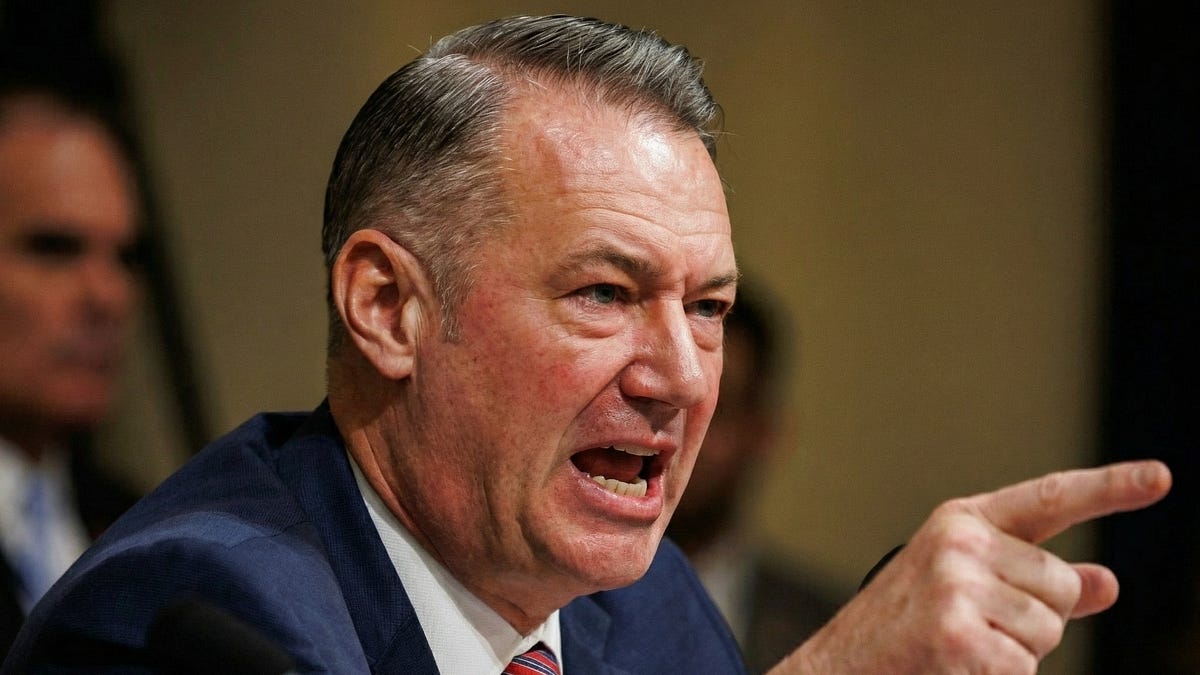
In a contentious House Homeland Security Committee hearing, Democrats leveled sharp accusations at top immigration officials, including a pointed question from Rep. Shri Thanedar (D-Mich.) to Customs and Border Protection Commissioner Rodney Scott about whether he planned to seek a pardon from President Donald Trump over the conduct of Border Patrol agents operating within the United States.
The hearing featured Acting Immigration and Customs Enforcement Director Todd Lyons and Commissioner Scott, who faced scrutiny amid heightened immigration enforcement efforts across the country. Democrats on the committee expressed fury over these measures, focusing less on establishing factual records and more on delivering pointed soundbites.
Rather than delving into specifics of recent incidents that have captured national attention, committee Democrats were accused of misrepresenting events or posing provocative questions designed to challenge the officials' integrity. The exchanges underscored deep partisan divides on border security and enforcement policies.
Rep. Thanedar directly confronted Scott, inquiring if he intended to request a pardon from President Trump due to actions by Border Patrol agents inside U.S. borders. The question highlighted ongoing political tensions surrounding immigration enforcement operations.
Commissioner Scott responded firmly, stating, “I signed up for this job to protect America and I’m very proud of the service that I provide and I don’t need a pardon from anybody.” His reply deflected the accusation and reaffirmed his commitment to his role.
Acting ICE Director Lyons also testified at the hearing, though specific questions directed at him were not detailed in the proceedings. The presence of both leaders provided a platform for Democrats to voice concerns over what they viewed as aggressive enforcement tactics.
Despite the intense questioning, the top DHS officials maintained their composure, with Scott's response exemplifying resilience against attempts to intimidate or undermine their authority. The hearing revealed stark partisan differences but yielded no apparent concessions from the enforcement leaders.
