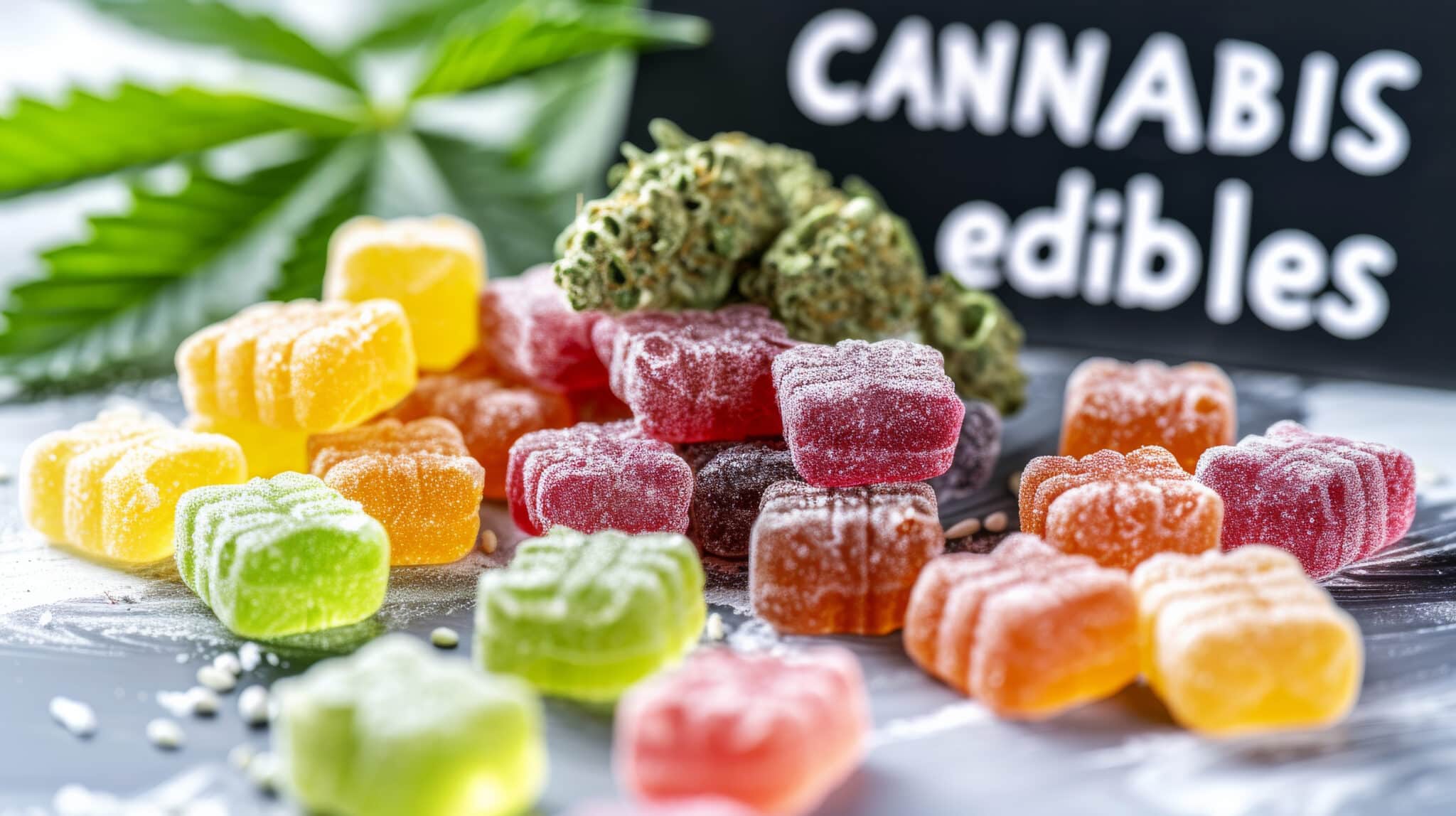
Marijuana (cannabis) gummies and edibles. (© AI Visual Vault - stock.adobe.com)
Older adults in Colorado are showing up at cannabis dispensaries in growing numbers, and they’re not there for the novelty. Their knees hurt. They can’t sleep. They’ve run out of ideas. And increasingly, they’re making these decisions without a word of guidance from their doctors.
A new study published inJAMA Network Openexamines a trend reshaping how older adults manage their health. Researchers interviewed 169 adults aged 60 to 85, averaging around 71 years old, who were interested in using cannabis edibles (gummies, chocolates, or capsules) for pain, sleep problems, or mental health concerns likeanxietyand depression. Most were women, most were White, and most were highly educated. What emerged is a portrait of a generation quietly self-medicating with a product many clinicians still feel poorly prepared to discuss.
Older adultsare now the fastest-growing group of cannabis consumers in the United States. As more states have legalized cannabis, adults in their 60s, 70s, and beyond have increasingly turned to it not for a good time, but for relief. Many appear to be navigating these choices with limited medical guidance, piecing together information from friends, the internet, and product marketing.
For most participants, edible cannabis wasn’t an impulse buy. It was a conclusion reached after a long, frustrating journey through other options. Wanting to avoid pharmaceuticals was the most common reason people decided to try it.
Many participants expressed deep concern about the long-term effects of common medications. One described worrying about anti-inflammatory drugs: “I worry about the side effects of the NSAID meds, the Aleve, Excedrin, aspirin, ibuprofen. They all really do help my arthritis when I take it, but I’ve also had friends that have gotten bleeding ulcers from taking those meds too much. So that’s made me very worried about taking them too often.”
Forty-six participants said they had run out of other options, including prescription drugs, over-the-counter remedies, physical therapy, acupuncture, and massage, and viewed cannabis as a last resort. As one put it: “Only because I’ve gone through so much to try to have the pain taken away. Like with steroid injections, massages,Tramadol, therapy, yoga…”
Thirty-six participants said they were motivated by hearing about benefits from friends, attending medical talks, or reading aboutcannabisonline. A smaller number mentioned wanting a substitute for alcohol or an interest in social or recreational use.
When it came to choosing which type of product to buy, participants faced a genuinely complicated decision. Legal cannabis products generally come in three varieties: those dominated byTHC, the compound responsible for the “high” feeling; those dominated by CBD, which does not produce mind-altering effects; and products that combine both.
Nearly 58% of participants chose the combination product. Just under 29% chose CBD-only, and about 14% chose THC-only. This pattern held across all three health concerns: sleep, pain, and mental health.
Source: Drudge Report
