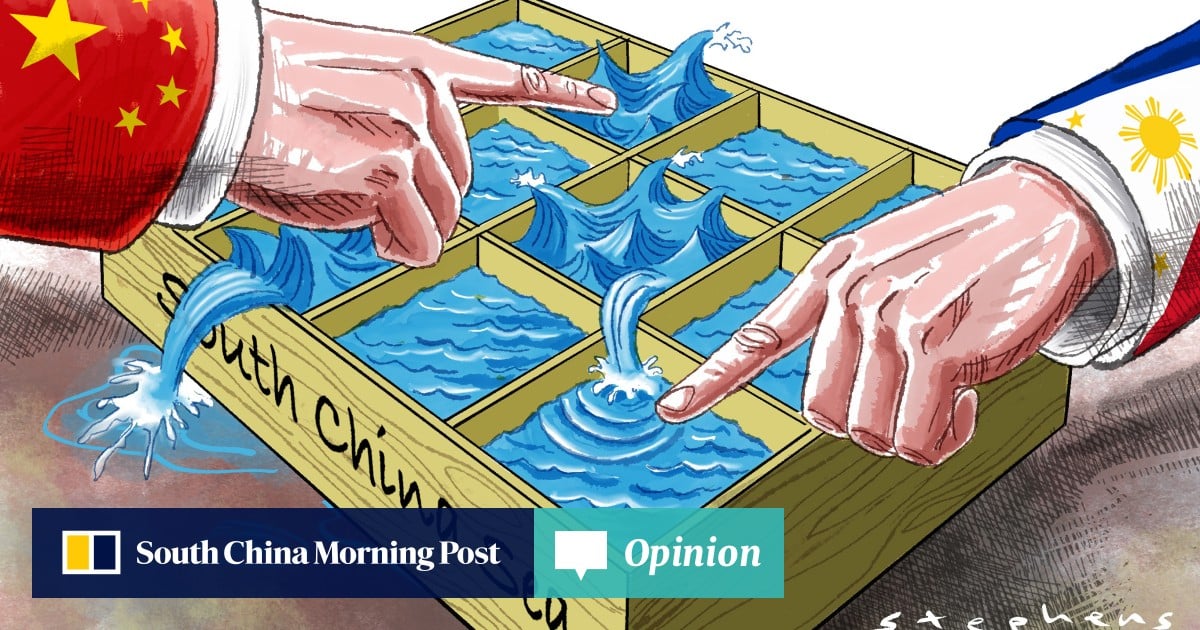
In the tense waters of the South China Sea, the Philippines is pursuing a delicate strategy of defiance through military patrols and diplomacy in conference rooms, but experts question whether this dual-track approach can endure amid escalating tensions with China.
China and the Philippines are both signalling openness to diplomacy alongside continued military flexing, raising doubts about the sustainability of this balancing act. In the South China Sea, conference rooms and contested shoals operate on parallel tracks, allowing for diplomatic engagement even as naval activities intensify.
This compartmentalisation—separating talks from on-water confrontations—is increasingly precarious. Whether it can hold or whether the next incident drags everyone into a crisis is fast becoming a regional question, not merely a bilateral one between Manila and Beijing.
Recent events at sea underscored the volatility. US-Philippine joint patrols operated near Scarborough Shoal, followed immediately by Chinese patrols in the same area, highlighting the rapid escalation potential in disputed zones.
As both capitals seek to shape the narrative around these encounters, the space for quiet de-escalation is shrinking. Manila's approach demonstrates resolve to domestic audiences while Beijing counters with its own shows of strength.
In some ways, this two-track dynamic offers flexibility to both sides. Diplomats point to ongoing dialogue as evidence of responsible statecraft, even as security establishments flex military muscle without triggering full-scale escalation.
For the Philippines, the strategy allows its government to appear firm at home while keeping diplomatic channels open with China. However, with parallel military activities showing no signs of abating, the question remains: can Manila's blend of defiance and diplomacy hold firm in the long term?
