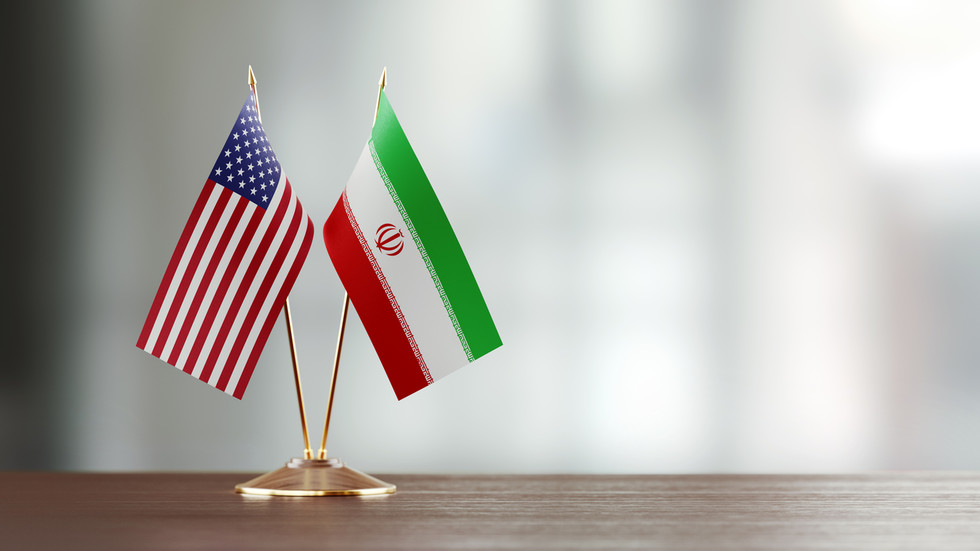
Iran's deputy foreign minister issued a stark challenge to the United States on Sunday, demanding concrete proof of Washington's sincerity in pursuing nuclear negotiations as tensions simmer in the Middle East. Speaking to state media, the official accused the U.S. of a history of duplicity, insisting that any return to the bargaining table requires verifiable actions rather than mere rhetoric.
The remarks came amid reports of indirect talks mediated by European powers and Oman, aimed at reviving elements of the 2015 Joint Comprehensive Plan of Action (JCPOA), from which former President Donald Trump withdrew in 2018. Iran's deputy FM emphasized that repeated U.S. overtures have been undermined by simultaneous sanctions and military posturing, including recent naval deployments in the Persian Gulf. "Words are cheap; sincerity demands deeds," the diplomat stated, calling for an immediate halt to "maximum pressure" policies as a prerequisite for dialogue.
Context for the ultimatum traces back to escalating proxy conflicts involving Iran-backed groups in Yemen, Lebanon, and Iraq, which have strained relations further under the Biden administration's second term. Tehran has accelerated uranium enrichment to near-weapons-grade levels, prompting IAEA warnings of a potential breakout within months. U.S. officials, meanwhile, have conditioned relief on strict verification, creating a standoff that diplomats describe as a "chicken-and-egg" dilemma—each side waiting for the other to blink first.
Analysts view the Iranian statement as both a negotiating tactic and a signal to domestic hardliners skeptical of any compromise with the West. With Iran's economy battered by sanctions yet buoyed by shadowy oil sales to China, the regime appears to be leveraging its nuclear leverage for broader concessions, including delisting the Islamic Revolutionary Guard Corps as a terrorist organization. Failure to bridge the gap could embolden Tehran's regional ambitions, risking broader confrontation as Israel ramps up covert operations against Iranian assets.
From Washington, responses have been measured, with State Department spokespeople reiterating commitment to diplomacy while highlighting Iran's support for Hamas and Hezbollah as barriers to trust-building. As the U.S. navigates midterm election pressures and alliances with Gulf states, the onus on proving sincerity may test the limits of multilateral engagement, underscoring the fragile path to de-escalation in a powder-keg region.