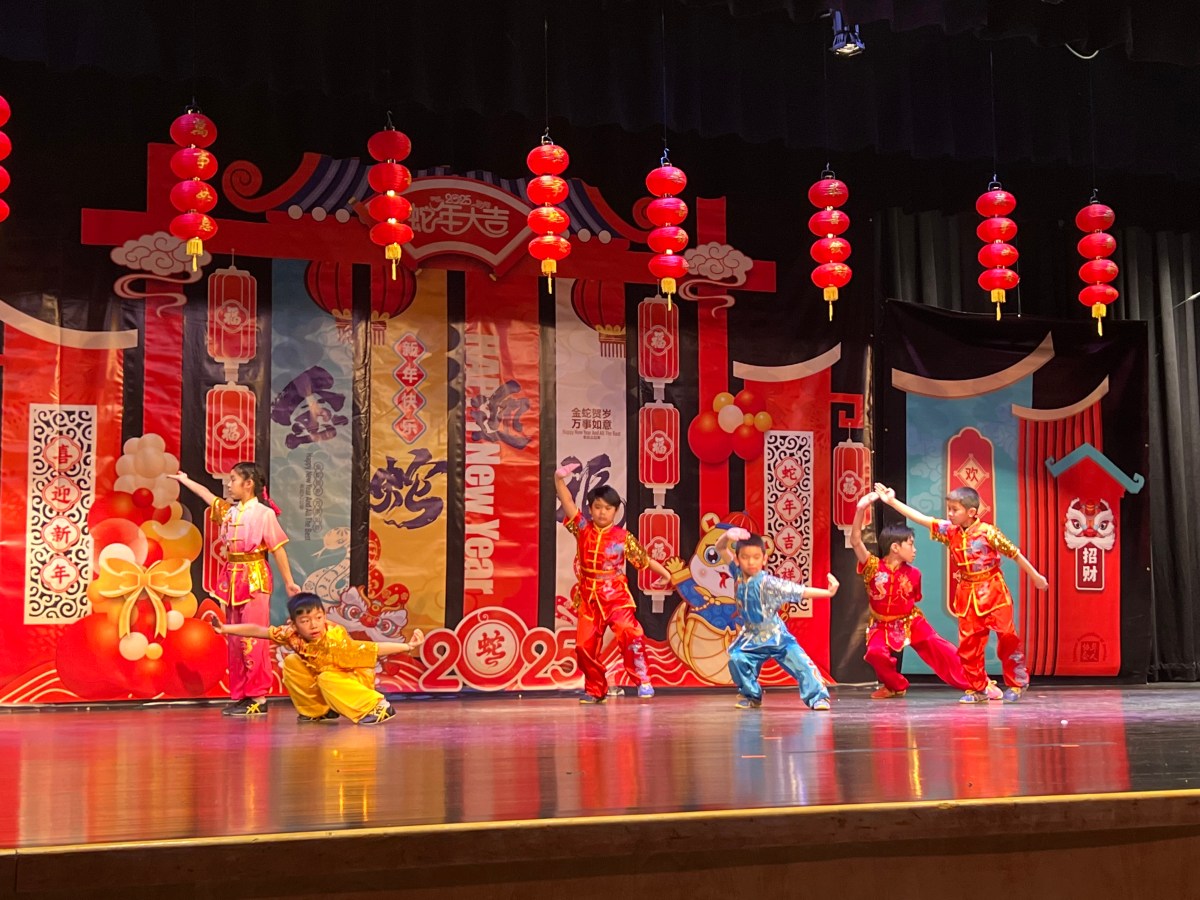
In the heart of Nassau County, vibrant red lanterns swayed gently in the winter breeze as Long Island's Chinese American communities ushered in the Year of the Horse with a dazzling array of Lunar New Year festivities. From the bustling streets of Great Neck to the family-oriented gatherings in Syosset, thousands donned traditional attire—silk qipaos and embroidered tangzhuang jackets—participating in lion dances that roared through shopping plazas and dragon boat-inspired parades that snaked along Main Street. The air was thick with the scent of steaming dumplings, tangy char siu bao, and sweet nian gao, bridging the miles between suburban driveways and ancestral villages in Guangdong and Fujian provinces.
For many first- and second-generation immigrants, these celebrations serve as a vital tether to heritage amid the sprawl of American suburbia. Li Wei, a 45-year-old restaurateur from Flushing who relocated to Manhasset a decade ago, organized a community banquet for over 300 attendees at the local community center. "Here, on Long Island, we can't go back to China for the family reunion dinners like my parents did," Li said, wiping steam from his glasses after serving plates of longevity noodles. "But we make our own traditions—our kids learn the lion dance, and they understand the stories of good fortune and family unity, even if they're texting friends in between."
The events highlighted the growing Asian American population on Long Island, which has surged by nearly 40% over the past decade according to U.S. Census data, transforming once-quiet neighborhoods into multicultural hubs. Temples like the Kuan Yin Buddhist Temple in Oyster Bay hosted prayer ceremonies with incense-filled halls echoing chants for prosperity, while high school gyms in Jericho pulsed with performances of erhu music and wushu martial arts. Local politicians, including Nassau County Executive Bruce Blakeman, joined the revelry, underscoring the economic and cultural impact of these communities, whose businesses contribute billions to the regional economy.
Yet, beneath the festive clamor, undertones of displacement lingered for some. Elderly attendees like 78-year-old Chen Mei shared stories of leaving rural China during the Cultural Revolution, finding solace in these gatherings that mimic the Spring Festival galas back home—complete with televised performances streamed from Beijing. "Long Island is home now, but Lunar New Year reminds us of the villages we left," Chen reflected, her eyes misty as fireworks lit the night sky over Eisenhower Park. Organizers noted challenges like rising costs for imported decorations amid supply chain issues, but community spirit prevailed, with crowdfunding efforts ensuring even the smallest family events could shine.
As the lanterns dimmed and families dispersed into the chilly night, the celebrations affirmed Long Island's evolving cultural tapestry. Far from the neon glow of Hong Kong or the lantern-lit streets of Taipei, these suburban festivities prove that Lunar New Year thrives in exile, fostering resilience and identity in a new world. With the Year of the Horse symbolizing strength and perseverance, participants carried that spirit forward, ready to gallop into another year of blending old-world roots with New York grit.