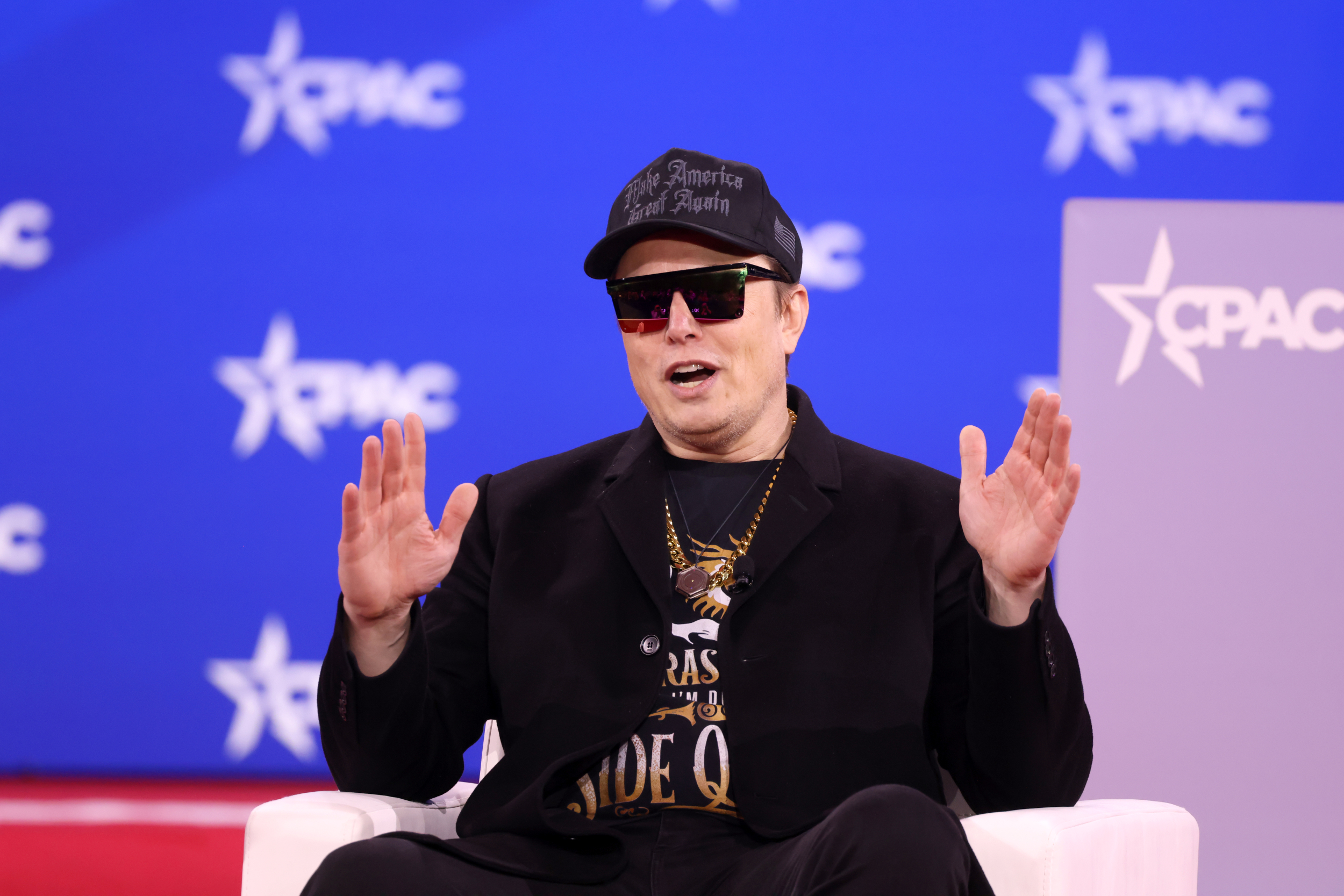
A now-deleted post from Elon Musk has once again pulled the internet into a storm of debate. The message appeared on X late on 10 May.
It contained only four short lines:
Within hours, screenshots spread rapidly across social media. Millions viewed the post before it disappeared. Some users treated it as another example of Musk's chaotic online humour. Others viewed it as a revealing snapshot of modern billionaire culture and internet masculinity. The reaction itself became the story.
At this stage,Musk is no longer simply a businessmansharing impulsive thoughts online. He remains one of the most influential figures in technology, artificial intelligence, social media and global business. Even his shortest posts now generate political discussion, cultural analysis and media attention across the world.
Part of the reason the message spread so quickly was its simplicity. Each line reflected a theme deeply embedded within modern internet aspiration culture. Wealth. Pleasure. Freedom from authority. Rebellion against systems.
It seems like Elon Musk just deleted his drunk/keto post, but internet is foreverpic.twitter.com/2kot8l01e7
Together, the post resembled what many users described as a compressed version of hyper-individualist internet culture, where success is measured by complete personal freedom and rejection of institutional limits. Supporters largely dismissed criticism surrounding the post. Many argued it was deliberately absurd humour designed to provoke reactions and dominate online conversation.
Critics saw something else entirely. For them, the post reflected a growing culture among wealthy elites where influence, money, and internet spectacle increasingly overlap.
The phrase 'No Taxes' quickly became the centre of the online backlash. The line tapped into one of the sharpest divides in modern politics and business culture. Critics argued the message reinforced concerns thatbillionaires want the benefits of society while resisting responsibilitytowards the systems that support it.
Several users linked the phrase to wider frustrations involving inflation, healthcare costs and economic inequality. One widely shared reply asked why influential figures continued mocking taxation while ordinary people struggled with rising living expenses. Supporters pushed back strongly. Many argued the line reflected frustration with bureaucracy, government inefficiency and overregulation rather than literal opposition to taxation itself.
Source: International Business Times UK
