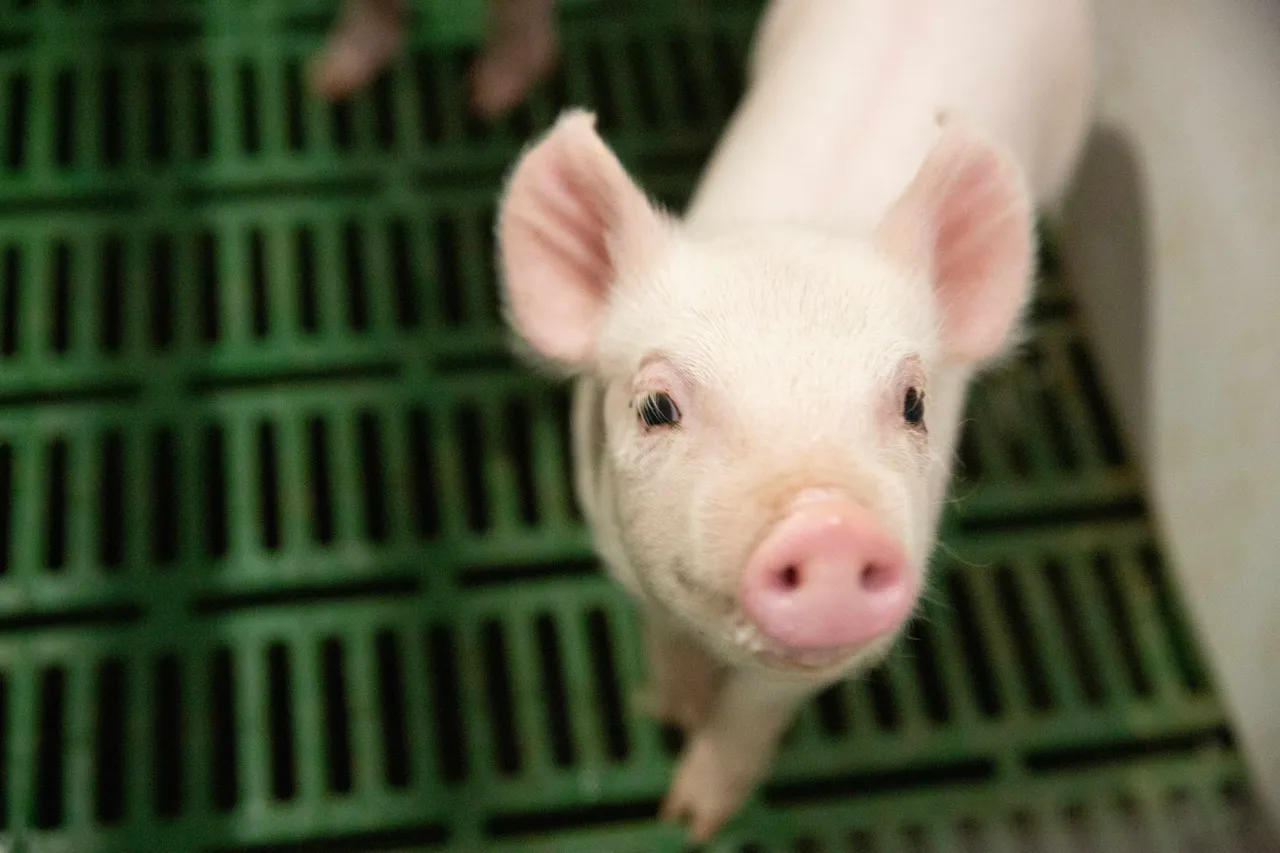
In a landmark decision that has ignited fierce debate across the nation, Health Canada has greenlit the sale of genetically modified pork for human consumption, marking the first such approval for a GM animal product in the country. The pork, engineered by biotech firm PorcineTech Ltd., features CRISPR-Cas9 edits to enhance disease resistance and improve meat quality, promising leaner cuts and faster growth rates for farmers. Consumers may soon find these "next-generation" chops in grocery stores, with initial distribution slated for major chains in Ontario and British Columbia by summer.
The modifications target the porcine reproductive and respiratory syndrome (PRRS) virus, a scourge that costs Canadian pork producers over $200 million annually. By silencing specific genes vulnerable to the virus, PorcineTech claims its pigs are up to 40% more resilient, reducing antibiotic use and farm mortality. Health Canada's rigorous safety review, spanning two years and involving toxicological studies on lab animals and nutritional analyses, concluded that the GM pork is "as safe as conventional pork" with no detectable allergens or toxins. The approval sidesteps labeling requirements for now, citing the absence of foreign DNA, though advocates argue this opacity undermines informed choice.
PorcineTech, a Vancouver-based startup backed by venture capital from agribusiness giants, hails the decision as a "game-changer" for sustainable protein production amid rising global demand. CEO Dr. Elena Vasquez emphasized in a press conference that the technology could slash Canada's pork import reliance by 15% within five years. Yet, the move echoes past GMO controversies, like the 2017 approval of AquAdvantage salmon, which faced boycotts despite scientific endorsements. Critics, including the Canadian Biotechnology Action Network, decry it as "playing God with our food supply," warning of unintended ecological risks if edited genes spread to wild populations.
Public reaction has been polarized, with social media erupting in memes and petitions amassing 50,000 signatures overnight demanding a moratorium. Organic farmers fear market flooding by cheaper GM alternatives, potentially eroding premiums for traditional pork. Meanwhile, industry leaders like the Pork Council of Canada applaud the innovation, projecting billions in economic boosts. Polls show urban millennials largely skeptical, associating GMOs with corporate overreach, while rural producers eye the efficiency gains warily.
This approval situates Canada at the vanguard of GM animal tech, outpacing the U.S. where similar porcine edits languish in FDA limbo due to political pushback. Globally, it challenges EU bans on GM livestock, potentially reshaping trade dynamics as China ramps up its own biotech pork programs. For consumers navigating culture war fault lines—natural vs. engineered foods—the debate underscores deeper tensions over food sovereignty, innovation, and trust in regulatory bodies. As shelves stock these silent sentinels of genetic tinkering, Canadians must weigh progress against the unknown.
