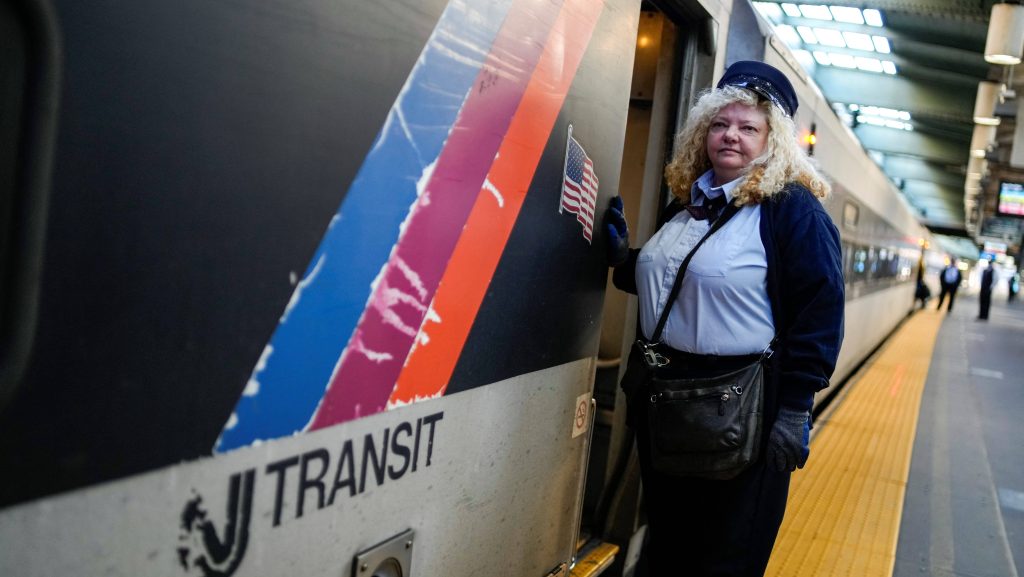
Commuters across New Jersey braced for turmoil this week as NJ Transit launches its long-delayed "cutover" to a new digital fare and signaling system, promising widespread disruptions that could snarl morning rushes and strand thousands heading to New York City. The transition, set to begin at midnight tonight, involves flipping the switch on upgraded software for ticket vending machines, mobile apps, and train control systems, but insiders warn of potential cascading failures reminiscent of past tech meltdowns.
At the heart of the chaos is NJ Transit's shift to a unified platform called TransitNext, aimed at replacing outdated 1990s-era infrastructure with contactless payments, real-time tracking, and automated scheduling. Officials tout the $500 million upgrade as essential for modernizing the nation's third-busiest commuter rail network, which serves over 350,000 daily riders. Yet, beta testing revealed glitches: apps crashing under load, validators rejecting valid cards, and signal errors forcing manual overrides. "This isn't a drill—expect delays of up to two hours on key lines like Northeast Corridor and North Jersey Coast," NJ Transit Executive Director Kris Kolluri cautioned in a rare pre-launch briefing.
The stakes couldn't be higher for the working stiffs who rely on NJ Transit to fuel the tri-state economy. Riders like Hoboken office worker Maria Gonzalez, who spoke to reporters outside Newark Penn Station, fear the worst: "I can't afford Ubers every day. If the app fails, I'm walking or late to my job." Labor unions have amplified the alarm, with the Brotherhood of Locomotive Engineers predicting "safety risks" from untested signals, while fare evasion—already at 15%—could spike if machines go dark. State lawmakers, including Sen. Mike Testa, demanded a delay, but Gov. Phil Murphy's administration held firm, citing federal mandates for Positive Train Control full deployment by year's end.
Historical precedents paint a grim picture. In 2019, a similar software rollout crippled Chicago's CTA for days, costing millions and eroding public trust. NJ Transit's own track record includes the 2023 mobile app fiasco, where 40% of users reported buy-button freezes during peak hours. Analysts at the Eno Center for Transportation project up to 20% service interruptions in the first week, potentially adding $10 million in overtime and refunds. Mitigation efforts include backup paper tickets at major stations and extra buses, but skeptics question their sufficiency amid winter weather forecasts.
Beyond the immediate headaches, the cutover underscores deeper fractures in public transit funding and oversight. With NJ Transit facing a $1.2 billion deficit, critics argue the tech gamble diverts from urgent needs like track repairs and cleaner trains. Commuter advocates call for accountability, eyeing lawsuits if disruptions lead to mass firings or accidents. As the clock ticks toward cutover, one thing is clear: for New Jersey's daily grinders, this isn't just an upgrade—it's a high-stakes bet on their livelihoods.
