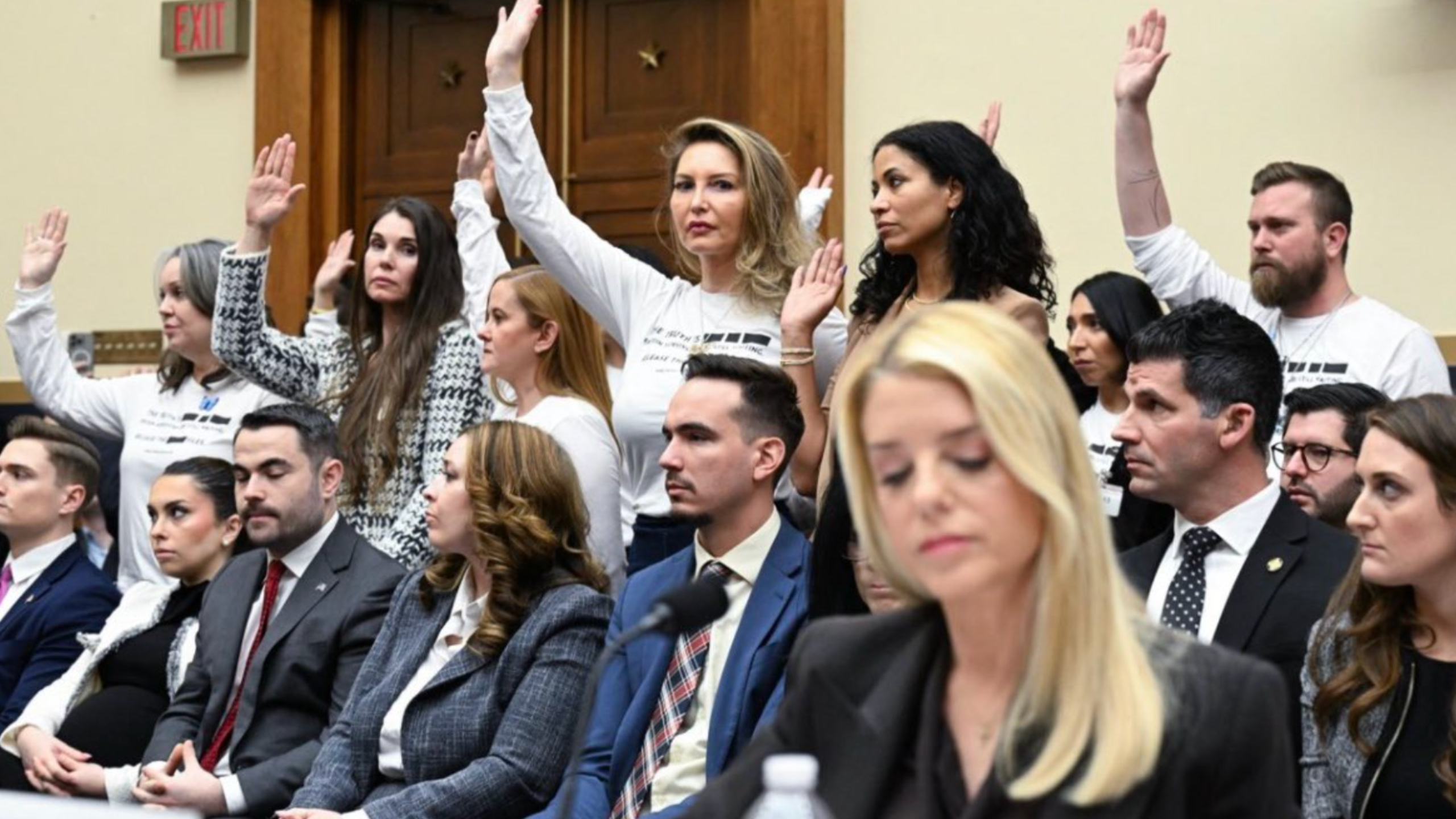
A political firestorm has ignited after former Florida Attorney General Pam Bondi circulated a list of names extracted from Jeffrey Epstein's email trove, featuring several long-deceased celebrities such as Janis Joplin, prompting sharp criticism over the disclosure's accuracy, intent, and legal basis.
The controversy revolves around material tied to the late financier Jeffrey Epstein, who died in federal custody in 2019 amid intense scrutiny of his extensive network of contacts. Bondi's decision to publicize the names, sourced from emails revealed in civil litigation, has drawn accusations of blurring the line between mere associations and criminality. Critics, including legal experts and political opponents, are demanding explanations on the list's compilation method, the inclusion of individuals long dead, and whether it truly serves the public interest.
At the heart of the dispute are emails from the civil case Giuffre v. Maxwell, docketed as No. 15-cv-7433 in the United States District Court for the Southern District of New York. The proceedings, initiated by Virginia Giuffre against Epstein associate Ghislaine Maxwell, produced thousands of pages of depositions, exhibits, email exchanges, contact lists, and deposition testimony referencing numerous public figures. These documents were unsealed progressively between 2019 and 2024 following orders from Judge Loretta Preska, who ended a prolonged confidentiality battle.
The court has repeatedly emphasized that mere mention in an email or address book does not imply wrongdoing. In a January 3, 2024, order on document unsealing, it stated that the materials "contain allegations that have not been tested in a court of law" and noted that many named individuals faced no accusations of criminal conduct. Several names highlighted by Bondi were already public from these dockets, including historical figures and celebrities who died years before Epstein's 2019 arrest on federal sex-trafficking charges.
One pointed critique came in response to Bondi's list, which juxtaposed Janis Joplin—who died when Epstein was 17—with Larry Nassar, the former USA Gymnastics doctor imprisoned for sexually abusing hundreds of young women and children. "The DOJ is once again purposefully muddying the waters on who was a predator and who was mentioned in an email. To have Janis Joplin, who died when Epstein was 17, in the same list as Larry Nassar, who went to prison for the sexual abuse of hundreds of young women and child…," the statement read, trailing off with a link to further details.
Legal observers argue that Bondi's move risks misleading the public by equating incidental references with proven guilt, especially given the court's explicit cautions. The inclusion of deceased figures like Joplin has fueled demands for transparency on the list's origins and purpose, amplifying calls for accountability in how Epstein-related documents are handled.
As the debate rages, the episode underscores ongoing tensions surrounding Epstein's legacy and the handling of his vast digital footprint, with critics urging a more precise approach to disclosures that respect judicial boundaries and factual distinctions.