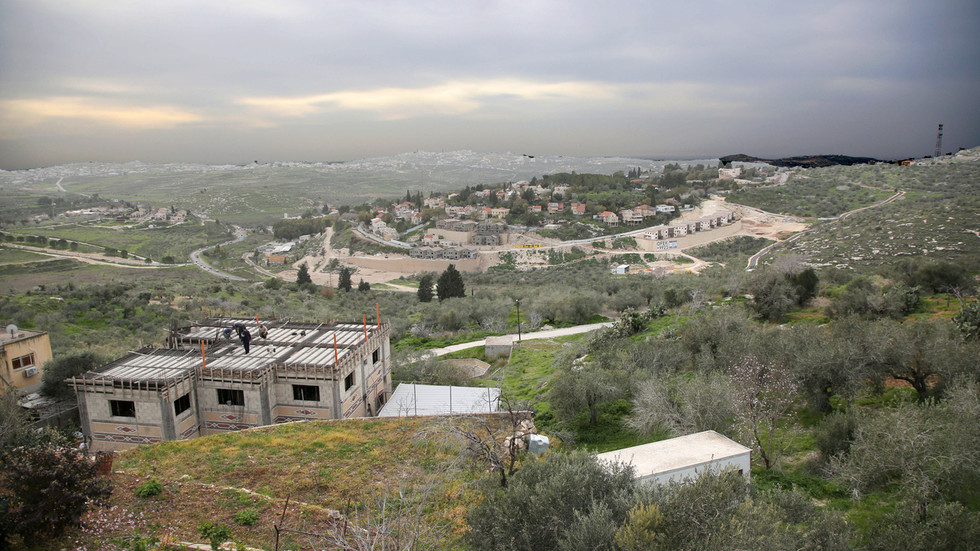
Israeli authorities have greenlit the appropriation of nearly 10 square kilometers of land in the occupied West Bank, marking one of the largest such designations in over three decades and drawing sharp international condemnation. The decision, announced by the Defense Ministry on Friday, targets strategically located areas in the Jordan Valley and near major settlement blocs, areas long contested by Palestinian residents who view the move as a blatant expansion of Israeli control.
The approval comes amid heightened tensions following a series of militant attacks on Israeli targets, with officials justifying the land seizure as essential for security buffers and agricultural development. Over 1,200 hectares—equivalent to more than 3,000 acres—have been classified as "state land," opening the door for new settlements or outposts that could house thousands of residents. This follows a pattern of accelerated authorizations since the October 2023 Hamas assault, with settlement expansion surging by 25% in the past year according to peace monitoring groups.
Palestinian leaders, including President Mahmoud Abbas, decried the move as a "declaration of war on the two-state solution," warning it would inflame violence and displace farming communities reliant on the fertile plots. In Gaza and the West Bank, protests erupted immediately, with clashes reported between stone-throwing youths and Israeli forces near Nablus. Hamas spokesperson Sami Abu Zuhri called it "ethnic cleansing by decree," vowing retaliation, while the Palestinian Authority appealed to the United Nations for intervention.
From Jerusalem's perspective, Finance Minister Bezalel Smotrich, who oversees settlement policy, hailed the decision as a "historic correction" to restore Jewish presence in biblical heartlands. Supporters argue the land was largely unused or illegally farmed, and point to reduced terror incidents in secured zones. Critics within Israel, including opposition leader Yair Lapid, caution that such actions isolate the country diplomatically, especially as the Biden administration has resumed criticism after a brief post-October lull.
Globally, the European Union labeled the approval "illegal under international law," echoing UN Secretary-General Antonio Guterres' call for restraint, while the United States urged "all parties to avoid unilateral steps" undermining negotiations. Analysts see this as a test of post-Trump U.S. policy toward Israel, potentially accelerating settlement growth if Washington withholds pressure. With over 700,000 Israelis now living beyond the Green Line, the move solidifies facts on the ground, complicating any future peace map and fueling fears of a one-state reality.
