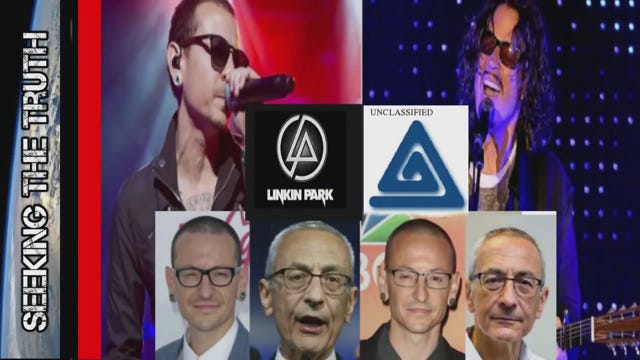
The tragic deaths of Chris Cornell and Chester Bennington in 2017 sent shockwaves through the music world and sparked numerous conspiracy theories about what really happened. Both legendary rock vocalists died within two months of each other, both ruled suicides by hanging, leading many fans to question whether there was more to the story than official reports revealed.
Chris Cornell, the iconic Soundgarden and Audioslave frontman, died in the early hours of May 18, 2017, at the MGM Grand Detroit hotel following a performance at the Fox Theatre. His bodyguard, Martin Kirsten, found him on the bathroom floor with a red exercise band around his neck after being alerted by Cornell’s wife, Vicky, who reported that Chris sounded groggy and wasn’t responding to calls. The Wayne County Medical Examiner’s Office ruled his death a suicide by hanging.
Cornell’s autopsy revealed the presence of seven different drugs in his system, including four doses of Lorazepam (a benzodiazepine), though authorities stated that “drugs did not contribute” to his death. This finding has been a source of skepticism among fans who point to the large amount of blood at the scene and question how such a high level of medication wouldn’t affect the outcome.
Chris Cornell B&W, Soundgarden, Seattle 2012
Chester Bennington, Linkin Park’s powerhouse vocalist, was found dead at his home in Palos Verdes Estates, California, on July 20, 2017—what would have been Chris Cornell’s 53rd birthday. The 41-year-old singer had just returned from a family vacation in Arizona but came home alone, citing work commitments including a scheduled photo shoot. The Los Angeles County coroner ruled his death a suicide by hanging.
Bennington’s toxicology report showed only a trace amount of alcohol in his system, with initial reports of MDMA later disproved by additional testing. A prescription bottle of Zolpidem (generic Ambien) and a small amount of beer were found in his bedroom. His wife, Talinda, revealed that Chester had been in an outpatient treatment program at the time of his death.
Linkin Park lead vocalist Chester Bennington dead at 41
The connection between Cornell and Bennington went beyond their similar fates—they shared a deep personal friendship. Bennington had long considered Cornell a hero and mentor who helped him through difficult periods of depression and addiction. Their bond was so strong that Bennington performed at Cornell’s funeral, singing an emotional rendition of Leonard Cohen’s “Hallelujah” just two months before his own death.
Both artists had openly struggled with mental health issues throughout their careers, with Cornell battling depression for most of his life and Bennington’s Linkin Park songs frequently addressing themes of depression, addiction, and self-loathing. When Cornell died, it appeared to remove a crucial support system for Bennington, leaving him with “little hope,” according to analysis of the period.
Remembering Chester Bennington and Chris Cornell’s friendship
Source: #SeekingTheTruth » Feed
