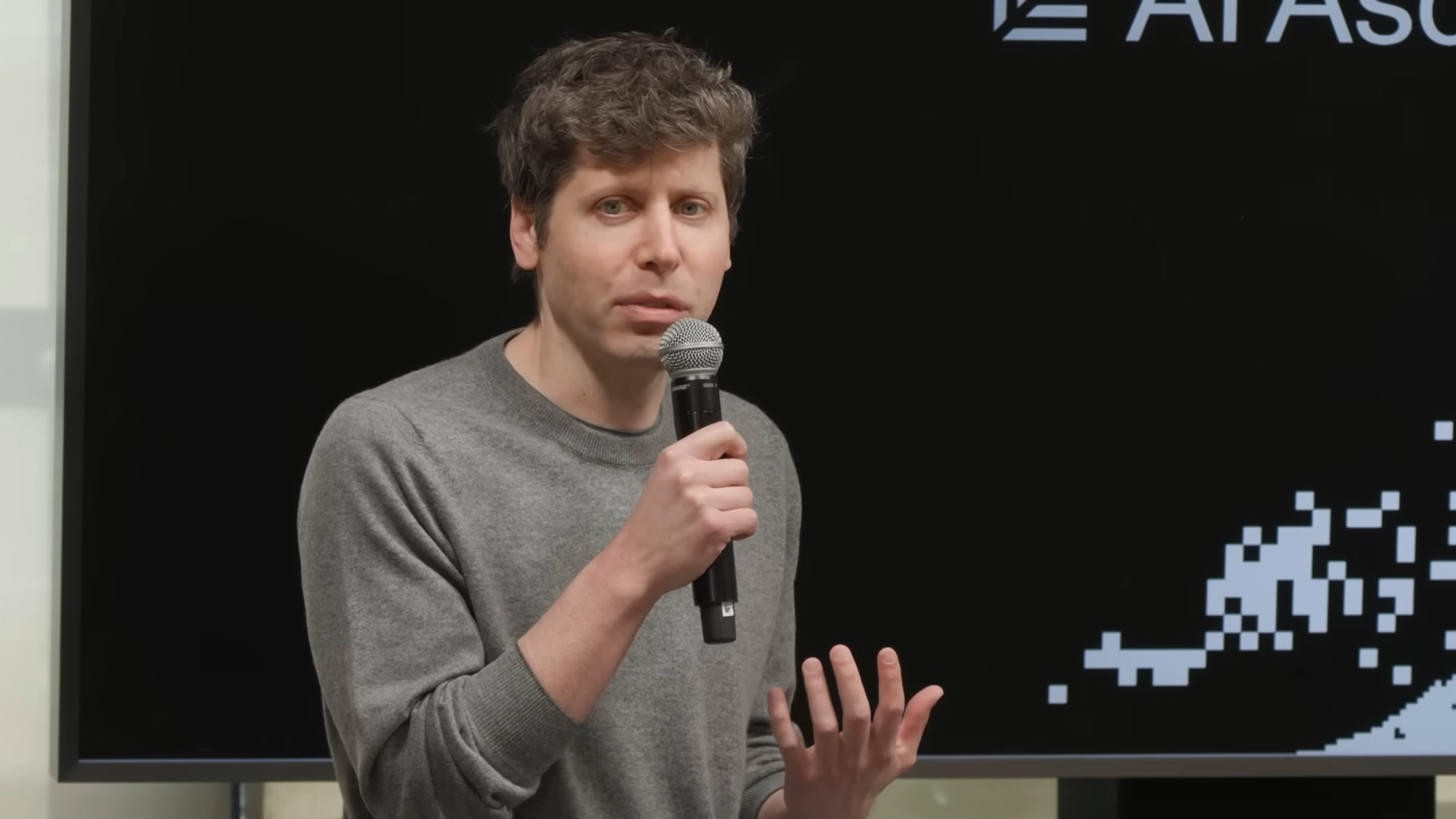
Sam Altman recently highlighted a significant shift in how younger generations interact with AI during a candid discussion about the future of technology. While ChatGPT was designed for simple tasks, millions are now treating the bot as a personal guide for their most private dilemmas.
This growing trend raises urgent questions about the safety of trusting an algorithm with the complexities of human life.
'Gross oversimplification, but like older people use ChatGPT as a Google replacement. Maybe people in their 20s and 30s use it as like a life advisor, and then, like people in college use it as an operating system,' Altman said at Sequoia Capital's AI Ascent event last May.
Sequoiafirst put its faith in OpenAI back in 2021, providing support when the fledgling company was worth roughly $14 billion (£10.30 billion). Following one of the most substantial private investment cycles ever recorded,OpenAIhas seen its market value skyrocket to a staggering $852 billion (£626.79 billion).
The firm's portfolio extends far beyond this recent success, having previously fuelled the growth of household names such asNvidia, Reddit, Instacart, YouTube, Apple, Dropbox, Airbnb, and DoorDash.
Altman noted that younger users engage with ChatGPT much like a computer's operating system, navigating the interface with a high level of technical sophistication. They often develop intricate configurations to link the AI with their personal files while maintaining a library of elaborate prompts specifically designed for complex tasks.
'I mean, that stuff, I think, is all cool and impressive,' Altman said. 'And there's this other thing where, like, they don't really make life decisions without asking ChatGPT what they should do.'
In a 2025report, OpenAI revealed that college-aged adults in the US are adopting ChatGPT more enthusiastically than any other demographic or user group, noting that over a third of 18- to 24-year-olds now rely on the tool.
This level of integration is possible because ChatGPT retains the history of past interactions, allowing it to build a continuous rapport with the user. Altman noted that the AI maintains 'the full context on every person in their life and what they've talked about,' enabling it to offer tailored responses.
Research indicates that users are turning to the chatbot for everything from navigating personal relationships to seeking professional guidance in business and medicine, with some even treating it as a substitute for traditional talk therapy.
Source: International Business Times UK
