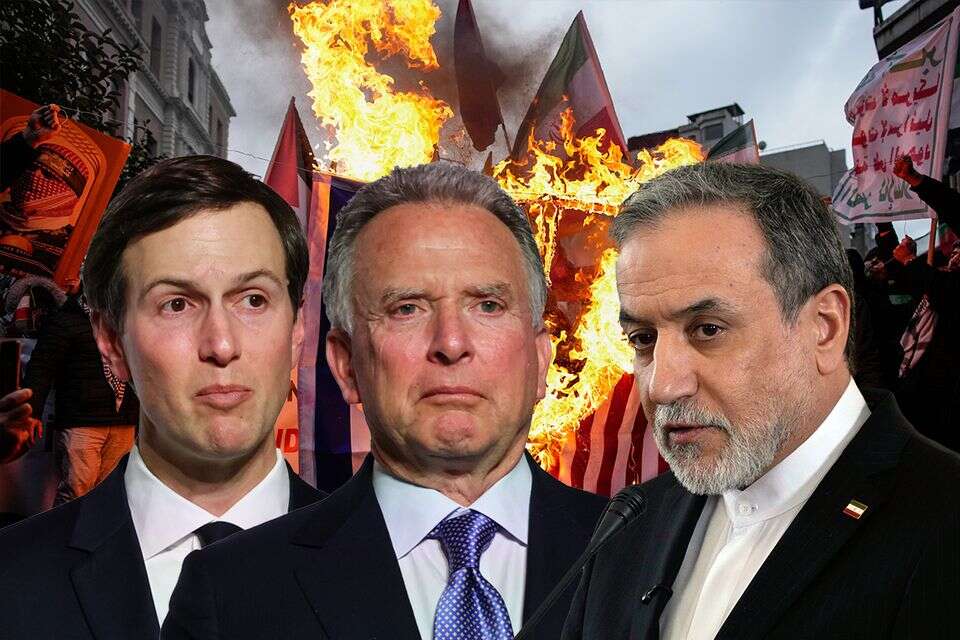
Iran is set to unveil a bold economic inducement strategy in its upcoming negotiations with the United States in Geneva, aiming to draw American companies into its vast energy sector as a complement to nuclear discussions. Regional diplomatic sources informed Israel Hayom that the Iranians first floated this proposal during initial talks in Oman, with a structured plan now ready for presentation. At its core, the offer includes entry for U.S. firms into Iran's oil industry, rehabilitation of refineries, and broader economic integration.
Hamid Ganbari, deputy head of economic diplomacy at Iran's Foreign Ministry, confirmed the overture to local media outlets. He detailed potential cooperation spanning the entry of American companies into the oil and gas sector, investments in mining, and even the purchase of passenger airplanes. This multifaceted approach seeks to align economic incentives with diplomatic progress.
Iran possesses some of the world's largest natural gas reserves but has struggled for years to develop them due to rampant corruption and international sanctions. The proposed U.S. involvement could address these bottlenecks, particularly in underdeveloped fields, offering mutual benefits in energy exploration and infrastructure.
Ganbari emphasized shared interests driving the talks, stating, "The negotiations include common interests in areas like energy, shared oil and gas fields, investments in minerals with quick returns, urban development and purchasing airplanes." He highlighted these sectors as key to fostering a sustainable agreement.
The Iranian official argued that for any long-term deal to endure without violation, the United States must secure high and rapid economic returns. Ganbari noted that the previous Joint Comprehensive Plan of Action (JCPOA) faltered partly because Washington derived no significant economic advantages from it.
According to Ganbari, future pacts will require "opportunities with quick and high returns for Washington" to ensure resilience. This economic-first tactic underscores Iran's shift in negotiation strategy, blending nuclear restraint with lucrative business prospects to appeal to U.S. interests.
Regional diplomatic sources anticipate the Geneva meeting will formalize these proposals, positioning economic collaboration as a cornerstone of renewed U.S.-Iran engagement. The strategy reflects Tehran's recognition that pure diplomacy alone may not suffice for lasting accord.