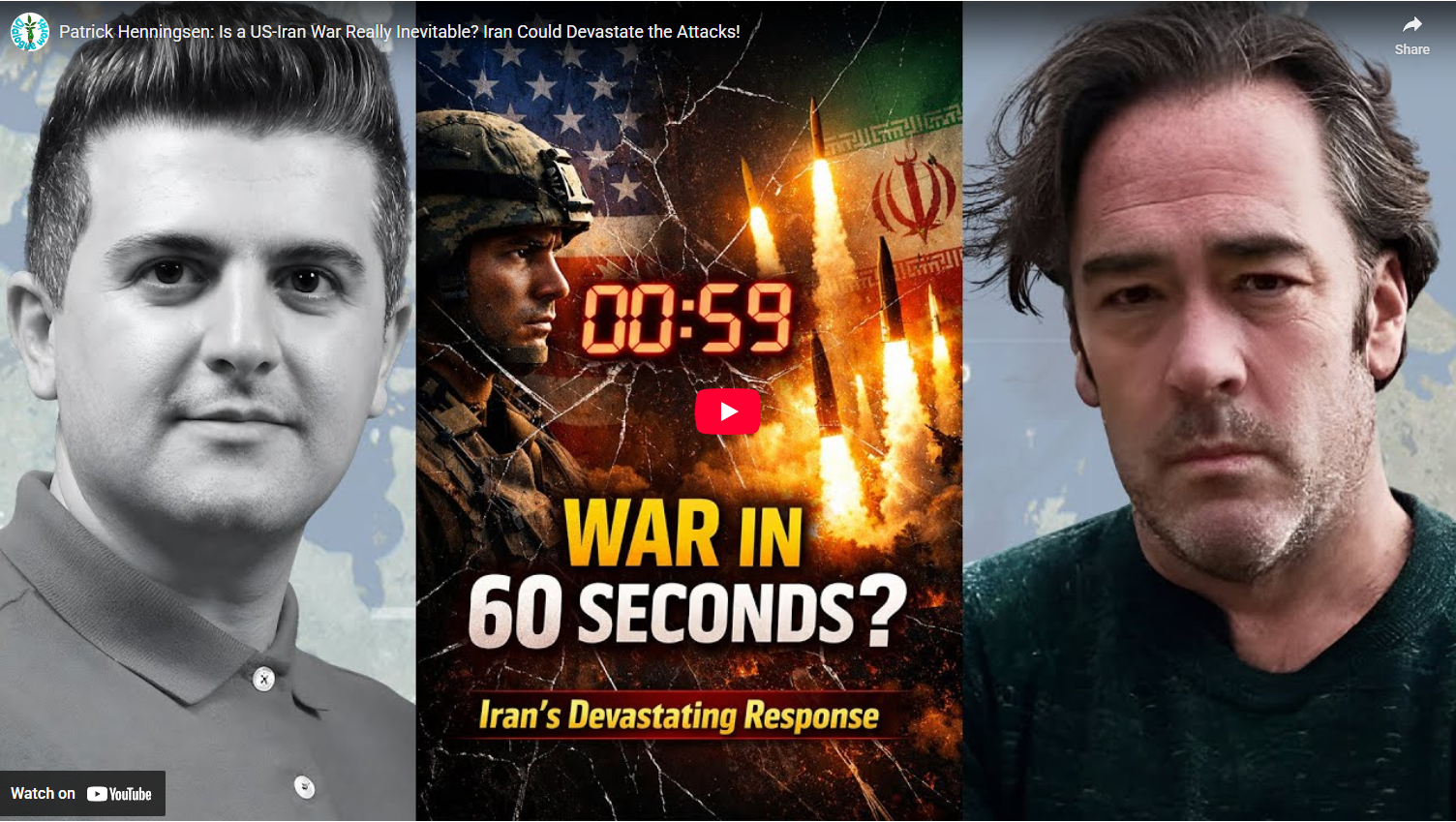
Tensions between the United States and Iran have spiked to levels unseen in years following a series of proxy attacks and retaliatory strikes across the Middle East, prompting urgent questions about whether full-scale war is now unavoidable. Israeli airstrikes on Iranian-backed militias in Syria last week drew a sharp response from Tehran, including missile barrages that narrowly missed U.S. bases in Iraq. With President-elect Trump's incoming administration signaling a return to "maximum pressure" policies, hawks in Washington argue that Iran's nuclear ambitions and support for groups like Hezbollah and the Houthis leave no room for de-escalation.
The roots of this standoff trace back decades, from the 1979 Islamic Revolution that upended U.S.-Iran relations to the 2015 nuclear deal that briefly thawed them before President Trump's 2018 withdrawal reignited hostilities. Iran has since accelerated uranium enrichment to near-weapons-grade levels, according to IAEA reports, while arming proxies that have disrupted global shipping in the Red Sea and targeted U.S. forces over 170 times since October 2023. U.S. officials, including Defense Secretary Lloyd Austin, have warned that any direct attack on American personnel could trigger overwhelming retaliation, echoing the 2020 drone strike that killed General Qasem Soleimani.
Proponents of the inevitability thesis point to Iran's unyielding rhetoric and actions as evidence of an existential clash. Neoconservative analysts like those at the Foundation for Defense of Democracies argue that Tehran's pursuit of a nuclear deterrent, coupled with its "Axis of Resistance," directly threatens Israel and U.S. allies, necessitating preemptive action. Recent intelligence leaks suggest Iran is months away from breakout capacity, fueling calls from figures like Senator Lindsey Graham for regime change or at least crippling strikes on nuclear facilities. Trump's team, including nominee Pete Hegseth for Defense, has hinted at bolder postures, potentially including naval blockades to choke Iran's oil exports.
Yet skeptics counter that war remains a high-stakes bluff on both sides, with mutual deterrence holding firm. Iran's economy, battered by sanctions, relies on smuggling and Chinese patronage, limiting its appetite for all-out conflict. Diplomatic backchannels via Oman and Qatar have persisted, and even Israeli Prime Minister Netanyahu has emphasized targeted operations over invasion. Analysts at the Quincy Institute warn that a U.S.-Iran war could spiral into a regional catastrophe, spiking oil prices to $150 a barrel, empowering Russia and China, and draining American resources amid domestic priorities like border security.
Looking ahead, the next flashpoints include Iran's response to ongoing U.S. carrier deployments in the Persian Gulf and potential Israeli strikes on Natanz. Trump's inauguration in January could pivot toward negotiations if Tehran freezes enrichment, but escalation risks mount if proxies intensify attacks. Ultimately, while rhetoric paints war as destiny, history—from the Iran-Iraq War to the Tanker War—shows both nations adept at calibrated brinkmanship. The real question is whether domestic politics in Tehran and Washington will override strategic restraint, or if cooler heads prevail to avert catastrophe.
