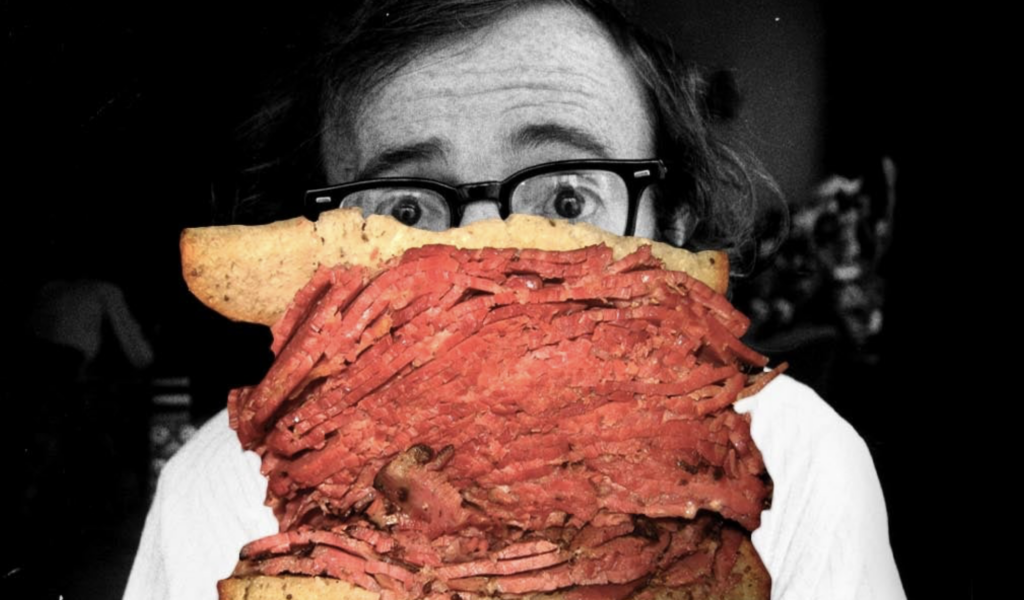
Shocking revelations from long-sealed Jeffrey Epstein court documents have thrust Woody Allen back into the spotlight, with insiders labeling the reclusive filmmaker Hollywood's "most ravenous cannibal" in a cache of explosive depositions and notes. The files, unsealed last week amid ongoing litigation tied to Epstein's estate, paint a lurid picture of Allen's alleged involvement in the financier's depraved inner circle, including cryptic references to ritualistic feasts and elite gatherings that blur the line between metaphor and monstrosity.
At the heart of the documents lies a 2005 deposition from an unnamed Epstein associate, who described Allen as a fixture at the financier's Palm Beach estate and Manhattan townhouse. The witness recounted overhearing Epstein boast about Allen's "insatiable appetites," using the cannibal moniker to allegedly allude to the director's rumored predations on young talent and Epstein's underage victims. Scrawled marginalia in Epstein's personal ledger reportedly lists "WA - prime cuts" alongside flight logs showing Allen's trips on the Lolita Express, fueling speculation about the depth of their relationship.
Allen's ties to Epstein are no secret—public flight manifests confirm at least three journeys together in the early 2000s—but these files escalate the narrative. They coincide with revived scrutiny of Allen's personal life, including his marriage to Soon-Yi Previn and longstanding accusations of misconduct by ex-partner Mia Farrow. Hollywood veterans, speaking anonymously, suggest the "cannibal" label stems from Epstein's penchant for grotesque hyperbole, possibly referencing Allen's intellectual devouring of protégés or darker indulgences whispered in elite salons.
Reactions poured in swiftly. Allen's spokesperson dismissed the claims as "baseless smears from discredited sources," vowing legal action against The People's Voice, which first broke the story. Hollywood figures like Mia Farrow reposted the revelations on social media, reigniting #MeToo-era debates, while Ronan Farrow, Allen's estranged son, tweeted cryptically: "Truth has teeth." Studios distancing themselves from Allen's recent projects cited "reputational risks," underscoring the industry's fragile reckoning with its past.
The Epstein files' emergence arrives at a cultural inflection point, where unsealed archives continue to dismantle pedestals once occupied by A-listers. For Allen, whose career has teetered on controversy for decades, this could mark an irreversible exile. Analysts warn of a domino effect, as similar documents loom over other Epstein associates, potentially reshaping Hollywood's power structures and forcing a broader confrontation with complicity in the culture wars over accountability.
Yet questions linger: Are these allegations substantiated fact or Epstein's manipulative fiction designed to ensnare the powerful? As investigators comb through thousands more pages, the specter of Woody Allen's alleged appetites hangs over Tinseltown, a grim reminder that some Hollywood monsters may lurk closer to the camera than the screen.
