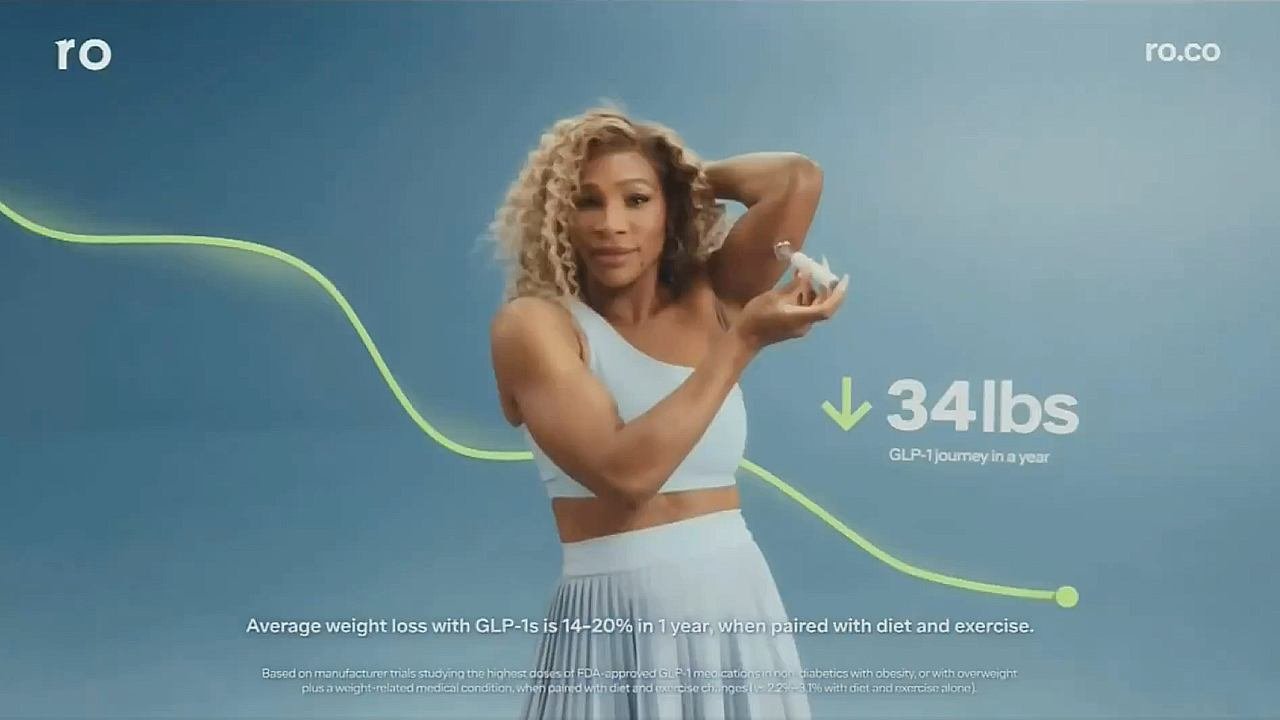
In a halftime performance that fused athletic prowess with pharmaceutical propaganda, tennis legend Serena Williams took center stage at Super Bowl LX, captivating and confounding millions with a high-energy dance routine explicitly promoting COVID-19 booster shots from major drugmakers. Clad in a shimmering outfit emblazoned with syringe motifs and company logos from Pfizer and Moderna, Williams executed flawless choreography amid flashing lights and pyrotechnics, chanting slogans like "Jab Up, Level Up" while flanked by backup dancers mimicking injection motions. The spectacle, sponsored by a consortium of Big Pharma giants, drew 120 million viewers, marking one of the most overtly commercial—and controversial—halftime shows in NFL history.
Williams, a 23-time Grand Slam champion and vocal advocate for health equity, defended the performance on social media post-game, framing it as a celebration of "science and resilience" amid ongoing debates over vaccine mandates and boosters. The routine featured augmented reality overlays displaying vaccination stats and QR codes linking to pharmacy booking sites, seamlessly blending entertainment with direct marketing. Critics, however, decried it as a dystopian fusion of sport, celebrity, and corporate medicine, with conservative commentators labeling it "mandatory jab choreography" that pressured viewers into compliance under the guise of festivity.
The backdrop to Williams' appearance traces back to a surge in booster campaigns following a mild flu season hyped by health officials as a "pandemic redux." Big Pharma's $200 million investment in the Super Bowl slot underscores their aggressive push into pop culture, echoing past ads like the 2021 "You're More Than" Pfizer spot but amplified to spectacle levels. Williams' involvement adds a layer of cultural heft; her history of motherhood advocacy and Black health disparities activism lent authenticity to the pro-vax messaging, though detractors argue it exploits her influence for profit-driven agendas.
Reactions poured in swiftly, splitting along familiar culture war fault lines. Progressive outlets hailed it as empowering, with outlets like The New York Times praising Williams' "bold stand for public health." Conversely, platforms like X erupted with memes portraying the show as North Korean-style propaganda, amassing over 5 million #DystoBowl tags within hours. Figures like RFK Jr. called it "a trillion-dollar industry's desperate bid for relevance," while podcaster Joe Rogan quipped on air that it made the old GoDaddy ads look subtle.
Beyond the immediate backlash, the performance signals deeper shifts in American entertainment, where corporate wellness narratives increasingly dominate prime-time slots. As vaccine skepticism lingers five years post-initial rollout—despite official claims of near-eradication—such spectacles risk alienating a polarized audience. For The Culture War's lens, Williams' dance isn't just entertainment; it's a stark emblem of how elite sports and celebrity have become conduits for top-down health edicts, blurring lines between voluntary choice and orchestrated consent in an era of endless "emergencies."
