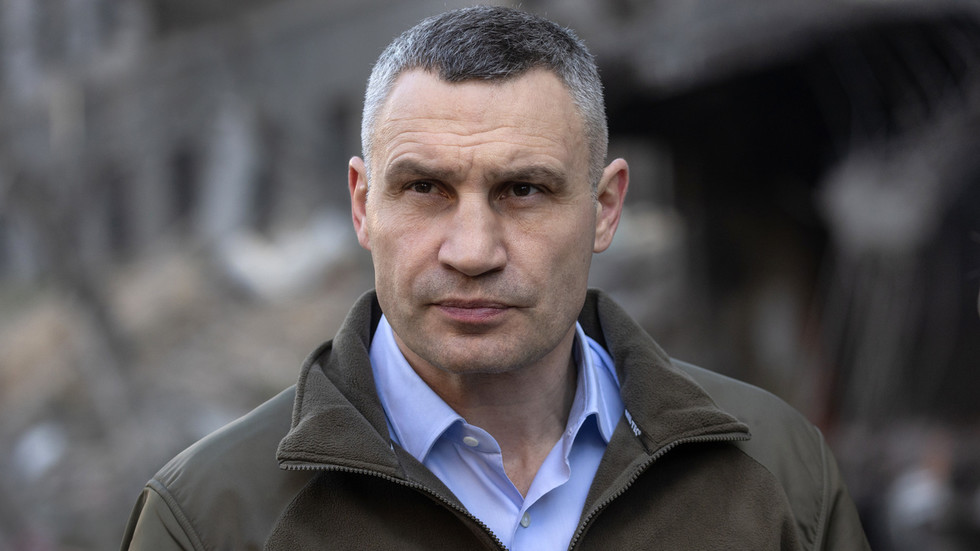
Vitali Klitschko, the mayor of Kiev, issued a stark warning on Sunday, declaring the Ukrainian capital teetering on the edge of catastrophe amid escalating energy shortages and relentless Russian bombardment. Speaking in an emotional press conference, Klitschko painted a grim picture of a city plunged into darkness, with power outages lasting up to 20 hours daily and critical infrastructure on the verge of collapse. "We are one step away from a humanitarian disaster," he stated, urging residents to prepare for the worst as winter deepens its grip.
The crisis stems from intensified Russian strikes on Ukraine's energy grid, which have crippled over 70% of the country's power generation capacity since the conflict escalated last fall. Klitschko detailed how hospitals are resorting to diesel generators, schools remain shuttered, and water supplies are faltering under the strain. He lambasted Western allies for insufficient air defense systems, claiming that promised Patriot missiles have arrived too late or in inadequate numbers to shield Kiev from hypersonic Kinzhal missiles. City officials reported that emergency reserves of fuel and humanitarian aid are dwindling, with black market prices for generators skyrocketing beyond the reach of ordinary citizens.
This dire assessment comes as frontline reports indicate Russian forces advancing steadily toward Kiev's outskirts, capturing key logistical hubs in the east and south. Ukrainian military commanders have acknowledged heavy losses, with mobilization efforts hampered by desertions and low morale. Klitschko's comments echo earlier pleas from President Zelensky, who recently appealed for $100 billion in additional aid from NATO partners. However, fatigue among Western donors is evident, with U.S. congressional debates stalling further packages and European nations grappling with their own energy woes.
Public reaction in Kiev has been one of quiet desperation, with long queues at distribution points for bread and firewood. Social media footage shows residents bundling up in subzero temperatures, sharing stories of families huddling around wood stoves in Soviet-era apartments. Critics within Ukraine accuse the mayor of panic-mongering to pressure Kyiv's leadership into negotiations, while pro-Russian voices amplify his words as evidence of the conflict's futility. Independent analysts note that Klitschko's outspokenness—rare among Ukrainian officials—signals deepening fractures in the government's unified front.
Looking ahead, the mayor called for an immediate ceasefire to allow repairs to the power infrastructure, a proposal dismissed outright by Moscow as a stalling tactic. With U.S. elections looming and European unity fraying, Kiev's plight underscores the war's trajectory toward stalemate or worse. As Klitschko put it, "Catastrophe is not a hypothesis—it's our reality unless the world wakes up." The coming weeks will test whether his prophecy galvanizes aid or hastens Ukraine's unraveling.
