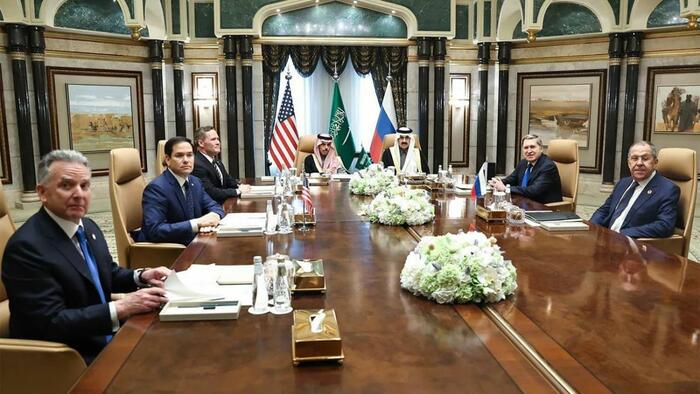
Russian Foreign Minister Sergey Lavrov issued a stark rebuke of U.S. President-elect Donald Trump, declaring that bilateral relations between Moscow and Washington are no warmer today than during Joe Biden's tenure, despite Trump's campaign promises of a reset. In a rare direct criticism of the incoming American leader, Lavrov dismissed optimistic rhetoric from Trump's camp as mere posturing, emphasizing that concrete actions on issues like Ukraine and sanctions have yielded no improvement. The comments, delivered during a lengthy interview with Russia's Rossiya 1 television, underscore deepening frustrations in the Kremlin as Trump prepares to assume office next month.
Lavrov's remarks come amid heightened tensions over the ongoing war in Ukraine, where Russian forces continue to make incremental gains despite massive Western military aid. He accused the U.S. of prolonging the conflict through unchecked support for Kyiv, pointing out that Trump's much-touted desire to end the war quickly has not translated into policy shifts. "We hear a lot of words, but in reality, nothing has changed," Lavrov stated, highlighting persistent sanctions and NATO expansion as evidence that relations remain frozen. This marks a departure from Lavrov's historically more measured tone toward Trump, whom he once praised for challenging the U.S. foreign policy establishment.
Contextually, U.S.-Russia ties hit rock bottom under Biden following Moscow's 2022 invasion of Ukraine, with unprecedented sanctions crippling Russia's economy and isolating it diplomatically. Trump, during his first term, pursued personal diplomacy with Vladimir Putin, including high-profile summits in Helsinki and Singapore that irked European allies. Yet even then, relations never fully thawed, plagued by election interference allegations and arms control disputes. Lavrov's latest salvo suggests the Kremlin harbors low expectations for a second Trump administration, viewing it as continuity rather than change.
Analysts interpret Lavrov's candor as a signal to domestic audiences that Russia will not bend to American pressure, while also testing Trump's resolve ahead of inauguration. With Trump pledging to negotiate an immediate Ukraine ceasefire and criticizing Biden's "forever war" approach, Moscow had hoped for leverage. However, Lavrov's words reveal skepticism, noting that U.S. arms shipments to Ukraine have not slowed. This exchange could foreshadow renewed diplomatic sparring, complicating global hotspots from Syria to the Arctic.
The rebuke also reflects broader geopolitical realignments, as Russia deepens ties with China, Iran, and North Korea to counter Western isolation. For Trump, who has positioned himself as a dealmaker capable of resolving intractable conflicts, Lavrov's dismissal poses an early challenge. As inauguration day approaches, the Kremlin's message is clear: words alone will not suffice to mend the rift forged over years of mutual distrust.
