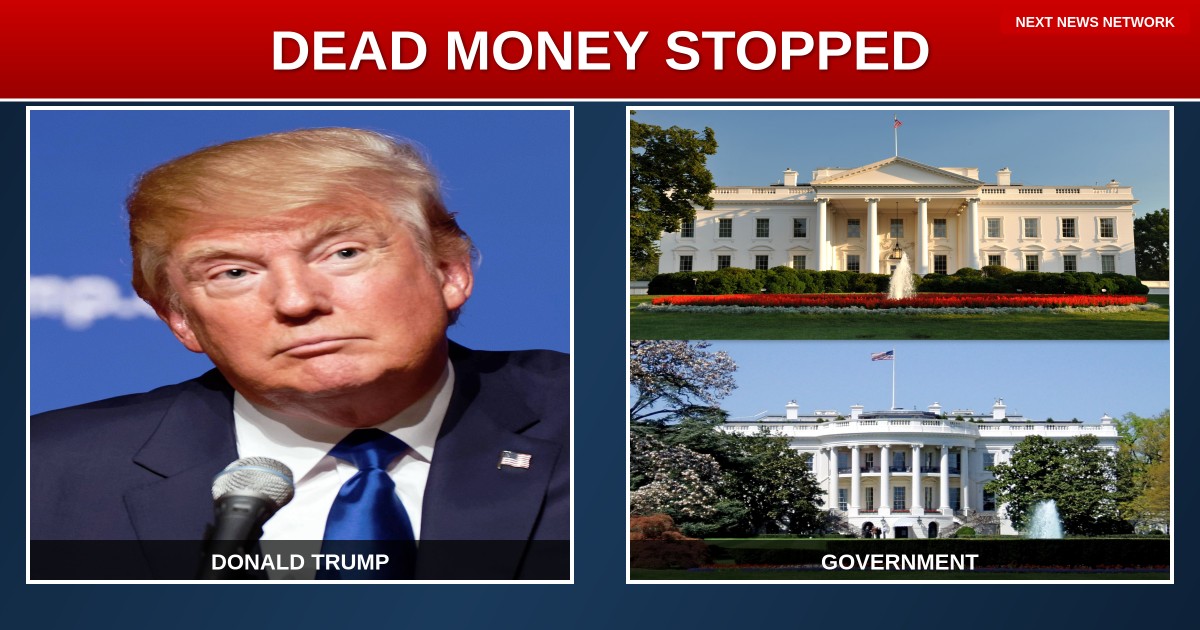
President Donald Trump signed the "Ending Improper Payments to Deceased People Act" last week, enacting legislation aimed at halting federal payments to deceased individuals. The measure addresses a longstanding issue of improper payments sent to those no longer alive, highlighting bureaucratic inefficiencies within government agencies.
The new law mandates that federal agencies verify the status of benefit recipients to prevent checks from being mailed to the deceased. This step comes as part of broader efforts to curb government waste and fraud, which have reportedly cost taxpayers billions of dollars over the years.
Trump's action aligns with initiatives from the Department of Government Efficiency (DOGE), led in collaboration with Elon Musk, designed specifically to eliminate such inefficiencies. The legislation underscores the need for basic verification processes that, until now, had not been adequately implemented.
Under the previous Biden administration, federal agencies faced criticism for failing to manage even fundamental tasks like confirming whether recipients were still alive, amid priorities such as other policy focuses. This oversight allowed fraudsters to exploit the system, further draining public funds.
The bill's passage reveals deeper issues within the unaccountable administrative state, where career bureaucrats have operated without sufficient consequences for mismanagement. Resources reportedly diverted to other areas, like diversity training, contributed to lapses in core competencies.
Proponents view the act as a critical safeguard for taxpayers, ensuring that hard-earned money is not wasted on improper payments. Trump's signing represents a commitment to accountability and efficiency in government operations.
This development signals a shift toward prioritizing fiscal responsibility, with DOGE poised to tackle additional instances of waste and fraud across federal programs.