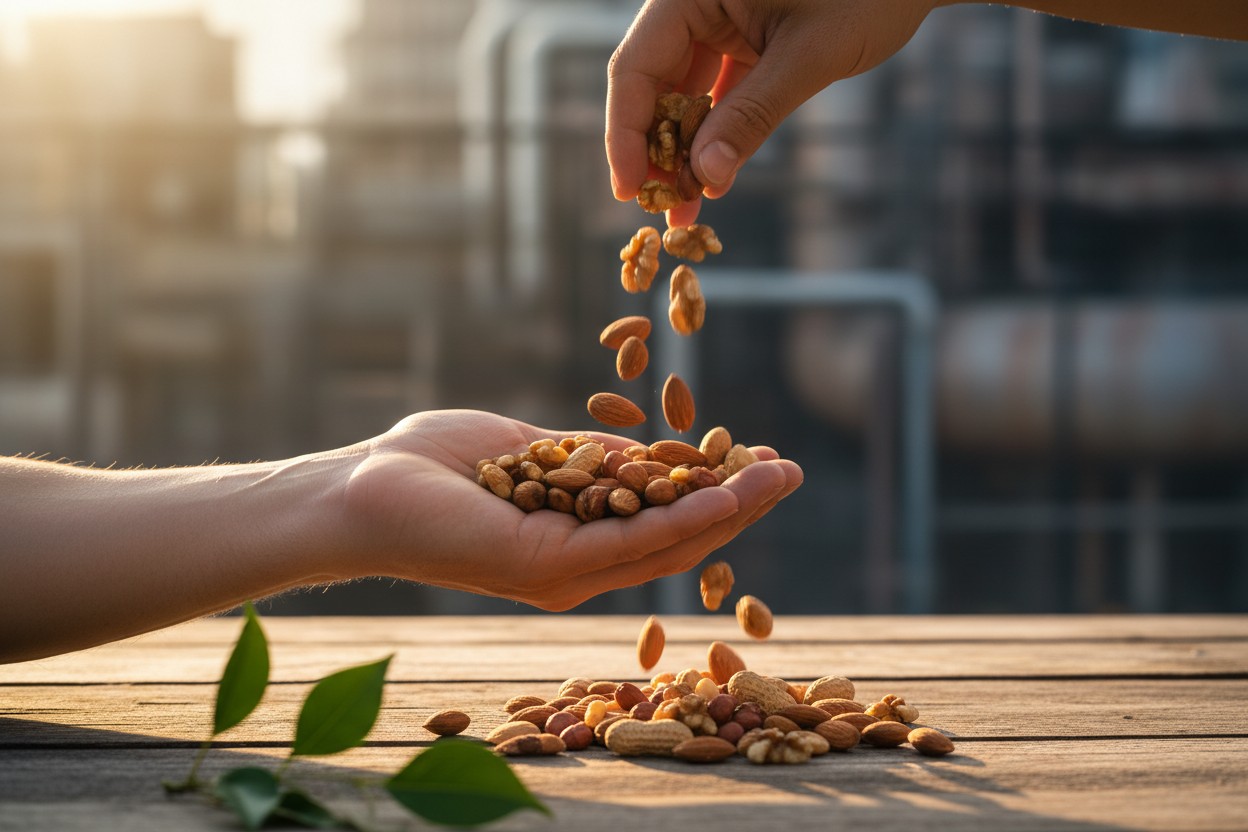
Conventional dietary advice has long warned gout sufferers to avoid nuts due to concerns over high uric acid levels, but emerging scientific data reveals this as a myth. Tree nuts and peanuts are classified as low-purine foods, containing less than 50 milligrams of purines per 100-gram serving, making them safe and beneficial for managing hyperuricemia and gout, according to research cited in health analyses.
Purines, natural compounds found in many foods and produced by the body, break down into uric acid, which healthy kidneys filter and excrete. Excess uric acid, or hyperuricemia, leads to gout—a painful inflammatory arthritis caused by sharp crystals forming in joints—and is linked to metabolic syndrome and diabetes. Rather than purines in whole foods, the primary drivers of high uric acid are processed items like sugary drinks, high-fructose corn syrup, alcohol, and factory-farmed meats.
Scientific data debunks fears about nuts: almonds contain approximately 31 mg of purines per 100g, walnuts 19.6 mg/100g, and peanuts 49.1 mg/100g. A standard 30-gram serving—a small handful—provides just 9.3 mg from almonds or 5.88 mg from walnuts, amounts too negligible to risk overload, even with multiple servings, as detailed in a January 20, 2026, EverydayHealth.com article by Jody Braverman.
A 2023 study analyzing national survey data, published on PMC.ncbi.nlm.nih.gov, found nut consumption associated with a lower risk of high uric acid levels, particularly in young adults. The fiber in nuts absorbs purines in the digestive tract for quicker elimination, while specific compounds in walnuts and pine nuts may reduce the body's own uric acid production.
Beyond uric acid control, nuts offer essential vitamins, minerals, healthy fats, and anti-inflammatory phytonutrients that address chronic disease roots. Holistic health resources, including Victor Konshin's "Beating Gout," note that shifting protein from inflammatory meats to plant-based nuts helps lower uric acid levels, promoting natural prevention and reversal over pharmaceutical interventions.
To maximize benefits, opt for organic, raw, or sprouted nuts to avoid pesticides, herbicides, and GMO contamination that burden metabolic health. This approach counters the impacts of processed foods and supports clean, natural eating as outlined in sources like Nuts for Life's October 18, 2022, article "Do nuts cause gout?"
