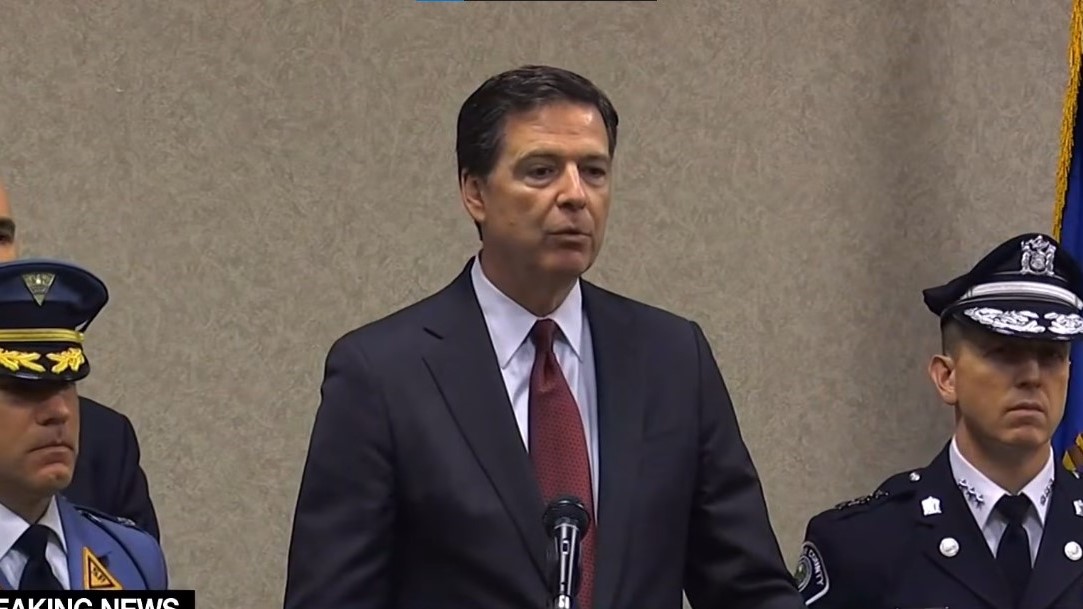
Career prosecutors in one of America's most important federal districts are resigning, being fired or pushed aside in Virginia, as the Justice Department grapples with what insiders describe as a DOJ crisis triggered by President Donald Trump's drive to prosecute former FBI directorJames Comey over an Instagram post.
The DOJ crisis around Comey has built slowly but relentlessly. Trump's feud with Comey dates back to the FBI's investigation into Russian interference in the 2016 election and possible links to Trump's associates.
Comey was fired as FBI director in 2017, a sacking that helped prompt the appointment ofSpecial Counsel Robert Mueller. Since then, Trump has railed against what he calls the 'weaponisation' of law enforcement, while critics say he is now weaponising the same institutions against his enemies.
This latest chapter is playing out inside the US Attorney's Office for the Eastern District of Virginia, a powerful jurisdiction that handles cases tied to the Pentagon, intelligence agencies, terrorism, cybersecurity and other national security matters.
At least six prosecutors in the office have either resigned, been demoted, fired or otherwise forced out during the push to indict Comey. Several are said to have believed they were being asked to take part in prosecutions that were politically driven and potentially in conflict with long‑standing Justice Department norms.
DOJ prosecutors are quitting because Trump wants to indict James Comey. You don’t resign over a case unless you know your side is the one in the crosshairs.pic.twitter.com/cwlDw3BnBa
Former and current officials have reportedly described the office as understaffed at precisely the moment when it is supposed to be managing some of the country's most sensitive cases. That is the heart of the DOJ crisis narrative, not just that politics has intruded, but that it may be degrading the government's basic ability to protect national security.
The specific case that lit the fuse under this DOJ crisis is, on the surface, almost surreal. A North Carolina grand jury indicted Comey over an Instagram photo that showed seashells arranged to spell out the numbers '86 47.'
Federal prosecutors interpreted that as a coded threat against Trump, the 47th president, and accused Comey of 'wilfully' making threats and intending bodily harm. Comey has denied any criminal intent and rejected the idea that the post was a violent threat.
Critics of the case argue that the prosecution is both legally flimsy and nakedly political, noting that '86' is a widely used slang term in American culture and questioning how a social‑media image could be stretched into a serious threat. They see the indictment as part of a broader attempt to criminalise a political opponent.
Source: International Business Times UK
