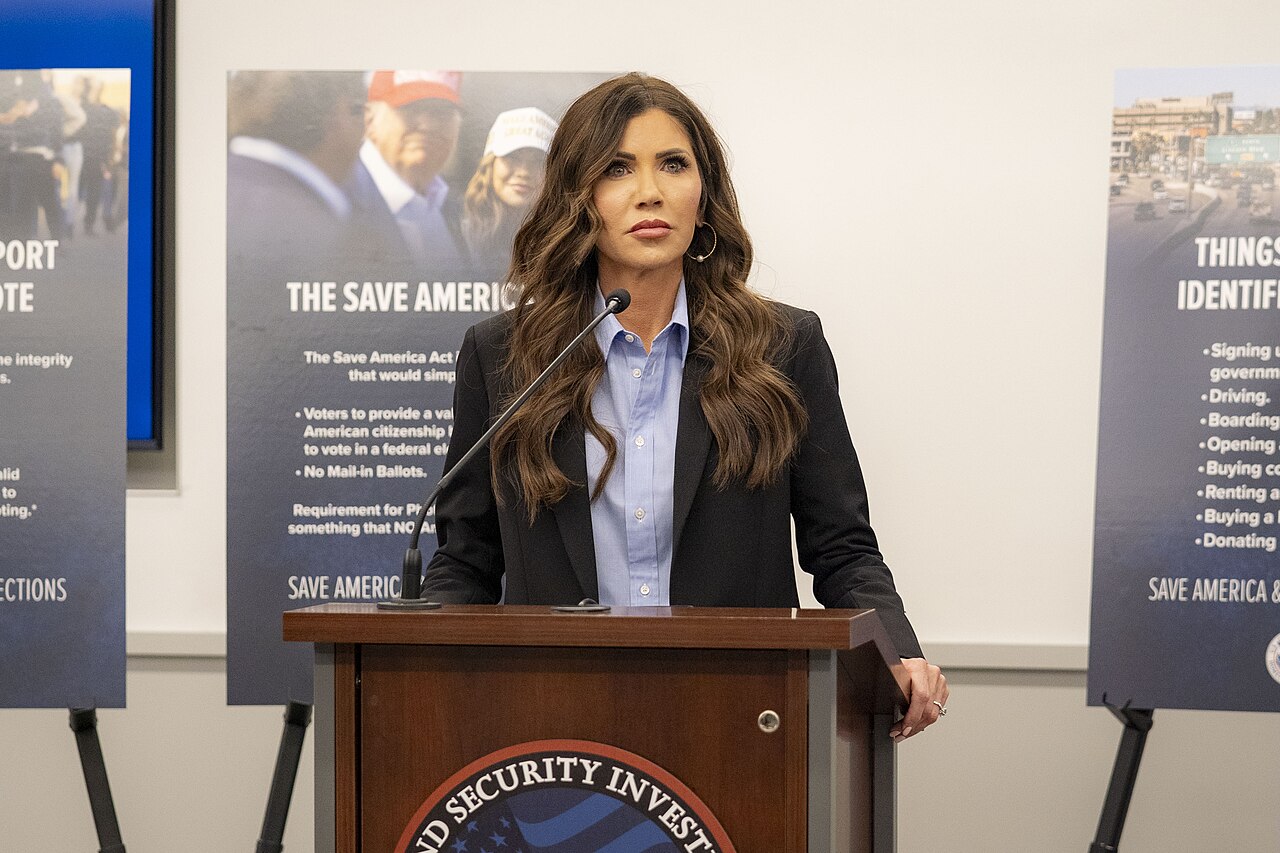
In a bold declaration on election security, US Homeland Security Secretary Kristi Noem addressed microphones in Arizona, stating her department's mission is to ensure "we have the right people voting, electing the right leaders"—and to pursue this goal regardless of Congressional approval. Hours later, President Donald Trump amplified the message on Truth Social, vowing that there "will be Voter I.D. for the Midterm Elections, whether approved by Congress or not!" The statements have ignited fierce debate over the role of federal authority in shaping voting rules ahead of the 2026 midterms.
Noem's remarks came amid discussions framed around bolstering election integrity, but they underscored a determination to implement stricter measures unilaterally if needed. The controversy centers on the SAVE America Act, a Republican-backed bill that narrowly passed the House of Representatives this week. The legislation mandates photo ID for voting in federal elections, requires proof of US citizenship for voter registration, and directs states to remove non-citizens from their voter rolls.
Proponents view the SAVE America Act as a straightforward safeguard against potential irregularities. However, voting-rights advocates argue it disproportionately burdens certain groups. They highlight challenges for women whose married names differ from those on passports or birth certificates, elderly voters who no longer drive and lack photo ID, and residents of poor or rural communities facing significant bureaucratic hurdles to obtain required documents.
The bill's path forward remains precarious in the Senate, where similar proposals have previously stalled. Democrats have consistently opposed such measures, joined by a handful of Republicans expressing reservations. Alaska Senator Lisa Murkowski has already indicated she is not supportive, signaling potential roadblocks to passage.
President Trump's public frustration with legislative delays has led him to openly consider bypassing Congress altogether. He suggested the possibility of an executive order to enforce voter ID nationwide if the SAVE America Act falters, a move that flips traditional notions of democratic process where elected leaders defer to voters rather than dictate voting terms.
The exchange lays bare deepening partisan divides on election administration, with the Trump administration positioning itself as a proactive guardian of electoral purity. As midterm campaigns heat up, the fate of voter ID mandates—and the methods used to achieve them—could redefine access to the ballot box across the United States.
