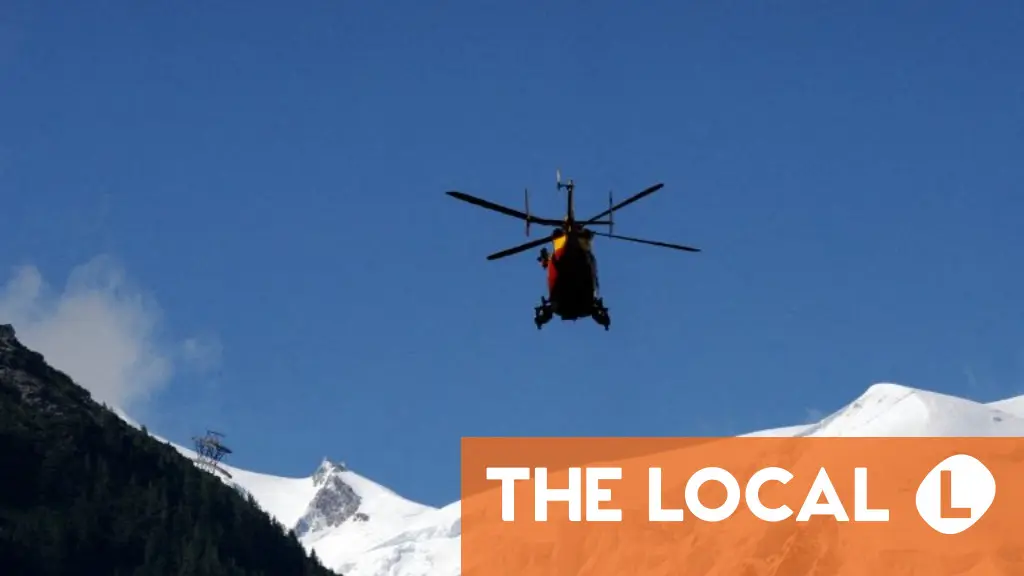
A massive avalanche thundered down the slopes near Courmayeur, Italy's premier ski destination at the foot of Mont Blanc, claiming the lives of two skiers and leaving one critically injured on Saturday afternoon. The incident unfolded around 2 p.m. local time in the Checrouit area, a popular off-piste zone known for its challenging terrain and breathtaking views. Rescue teams, including helicopters from the Aosta Valley Alpine Rescue squad, raced against the clock to dig out the victims buried under several meters of snow.
Emergency services confirmed that the two deceased were Italian nationals in their 40s, experienced backcountry skiers who had ventured beyond marked trails. The survivor, a 35-year-old French tourist, was extracted alive but suffering from severe hypothermia and possible internal injuries; he was airlifted to Aosta Valley Hospital in stable but serious condition. Witnesses described hearing a deafening roar before a wall of white engulfed the group, with one local guide shouting warnings just seconds before impact.
The avalanche was triggered by a combination of recent heavy snowfall—over 50 centimeters in the past 48 hours—and unstable slab formations exacerbated by warm temperatures and strong winds, according to preliminary reports from the Regional Avalanche Bulletin. Courmayeur authorities had issued a level 3 avalanche risk warning earlier that day, advising caution for off-piste activities, but the area remained accessible to equipped adventurers. This tragedy marks the third fatal avalanche in the Italian Alps this season, highlighting ongoing dangers amid an unusually snowy winter.
Local officials, including Courmayeur Mayor Stefano Miserocchi, expressed profound sorrow and called for stricter enforcement of safety protocols. "Our mountains are unforgiving; beauty comes with peril," Miserocchi told reporters at a press briefing. Experts from the Italian Alpine Club noted that while avalanche transceivers, probes, and shovels were found with the victims, human error or misjudged snow conditions likely played a role. The incident has reignited debates over regulating high-risk zones, with some advocating for drone surveillance and real-time snow monitoring.
As investigations continue, the ski community mourns the loss while bracing for more volatile weather. The Courmayeur ski lifts remain operational, but many resorts are ramping up patrols and awareness campaigns. This event serves as a stark reminder of the Alps' dual nature— a playground for thrill-seekers and a graveyard for the unprepared—in an era of climate-driven extremes.
