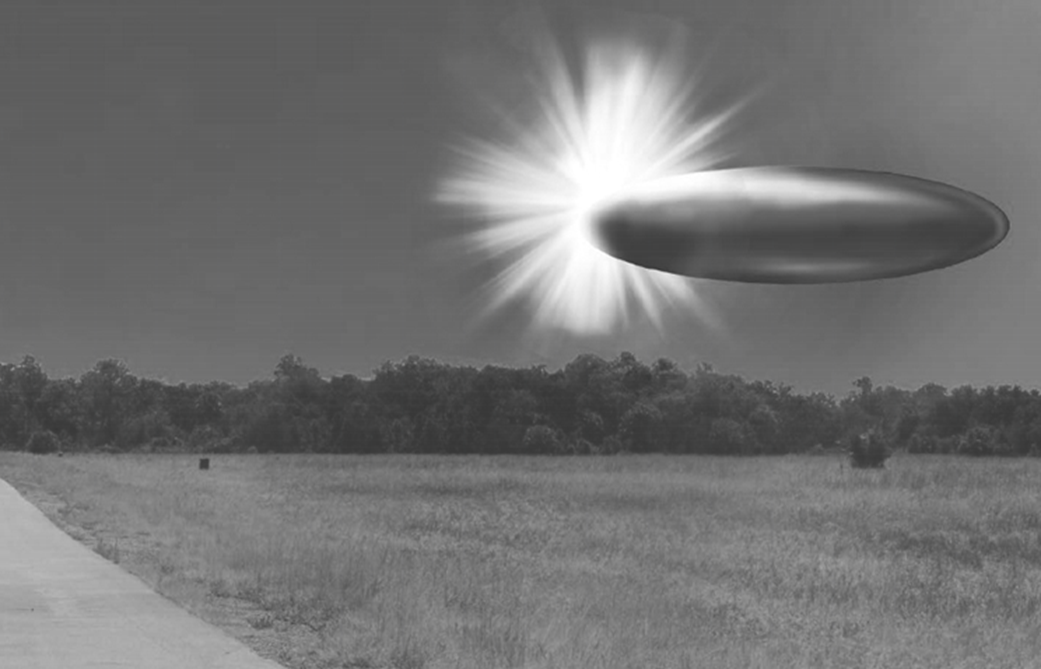
The Trump administration's release of long-anticipated UFO and unidentified aerial phenomena (UAP) files has been presented as a step towards transparency, although questions are already being raised over whether the disclosure tells the full story.
The publication of the documents, described by some commentators as a 'bombshell' release, forms part of awider declassification effortaimed at making government records on unidentified aerial phenomena publicly accessible. Officials have framed the move as an attempt to increase scrutiny of material previously kept from public view, including files linked to broader investigations into potential extraterrestrial activity.
However, the release has also drawn scepticism from parts of the UFO research community, with concerns that key information may still remain undisclosed.
In a statement accompanying the release, Donald Trump said the files represent the first tranche of UFO and UAP records made available for public review and study.
He said: 'As for my promise to you, the Department of War has released the first tranche of the UFO/UAP files to the public for their review and study'.
Trump said the move was intended to improve openness, adding: 'In an effort for complete and maximum transparency, it was my honour to direct my administration to identify and provide government files related to alien and extraterrestrial life, unidentified aerial phenomena, and unidentified flying objects'.
He also criticised previous administrations, stating: 'Whereas previous administrations have failed to be transparent on this subject...'
Framing the release as a matter for public interpretation, he added: '...with these new documents and videos, the people can decide for themselves, "WHAT THE HELL IS GOING ON?" Have fun and enjoy!'
Despite the administration's claims of transparency,UFO veteran Andersonhas questioned whether the release provides a complete account.
Anderson, who has spent more than six decades studying unexplained aerial sightings, argues that governments have historically been reluctant to fully disclose what they know about unidentified anomalous phenomena (UAPs).
Source: International Business Times UK
