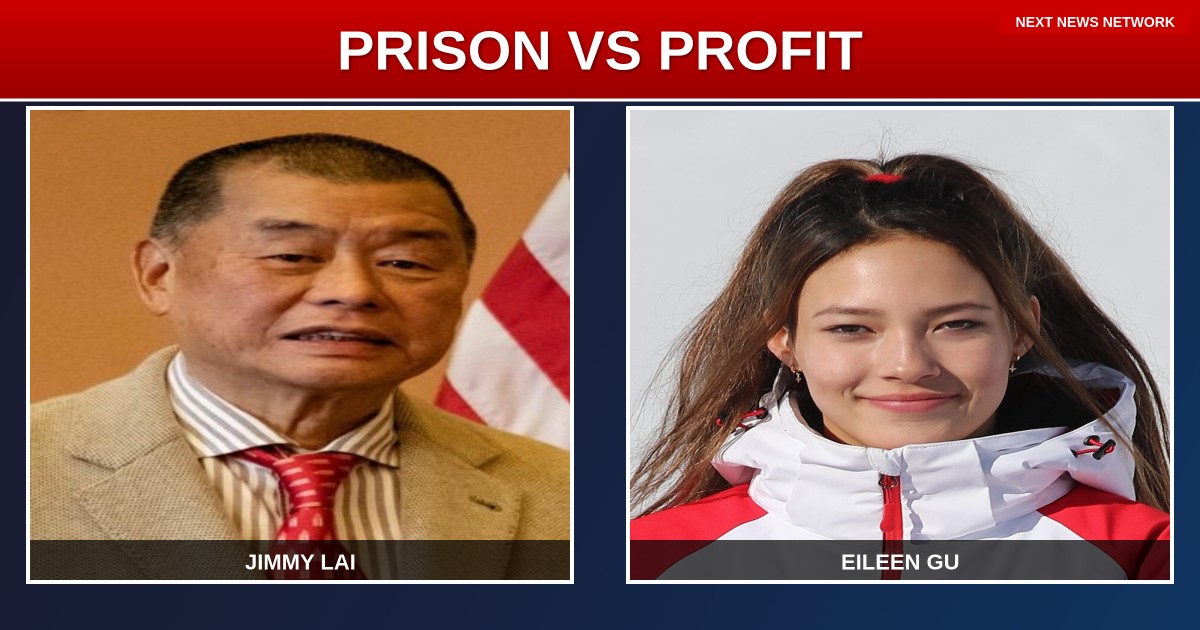
In a stark contrast highlighting tensions between individual freedoms and allegiance to authoritarian regimes, 76-year-old Hong Kong media mogul Jimmy Lai remains imprisoned for his pro-democracy advocacy, while American-born Olympic skier Eileen Gu profits from endorsement deals with Chinese companies following her decision to compete for China at the 2022 Beijing Olympics.
Jimmy Lai, a prominent freedom fighter and founder of the Apple Daily newspaper, has been detained in a Hong Kong prison by Chinese Communist authorities. His offense stems from publishing content that supported democracy and human rights, challenging Communist oppression. The Chinese Communist Party has effectively imposed a life sentence on Lai for his journalistic efforts.
Meanwhile, Eileen Gu, who was born and raised in San Francisco, switched her allegiance to represent China in freestyle skiing at the 2022 Beijing Olympics. This move has been lucrative for her, as she continues to secure millions in endorsement deals from Chinese firms, even as many American athletes face challenges in obtaining sponsorships.
The situation underscores a perceived double standard, with Lai sacrificing his freedom for principles of democracy while Gu benefits financially from ties to the Chinese Communist Party. Critics point to this disparity as emblematic of how some elites align with Beijing despite the regime's record on human rights.
Lai's imprisonment in Hong Kong for his role in operating Apple Daily represents a broader clampdown on dissent, while Gu's success in the Olympic spotlight and subsequent commercial rewards illustrate the incentives for aligning with Chinese interests. The Apple Daily, known for its truthful reporting on Communist oppression, became a focal point of Lai's legal troubles.
During his first term, President Trump adopted a tough stance on China, prioritizing America First policies. As his second administration advances these priorities, supporters argue that figures like Jimmy Lai warrant strong backing, in contrast to those seen as opportunists profiting from Chinese connections.
The silence from mainstream media and lack of corporate boycotts amid this contrast has drawn criticism, amplifying calls for greater moral clarity in dealings with the Chinese Communist Party.