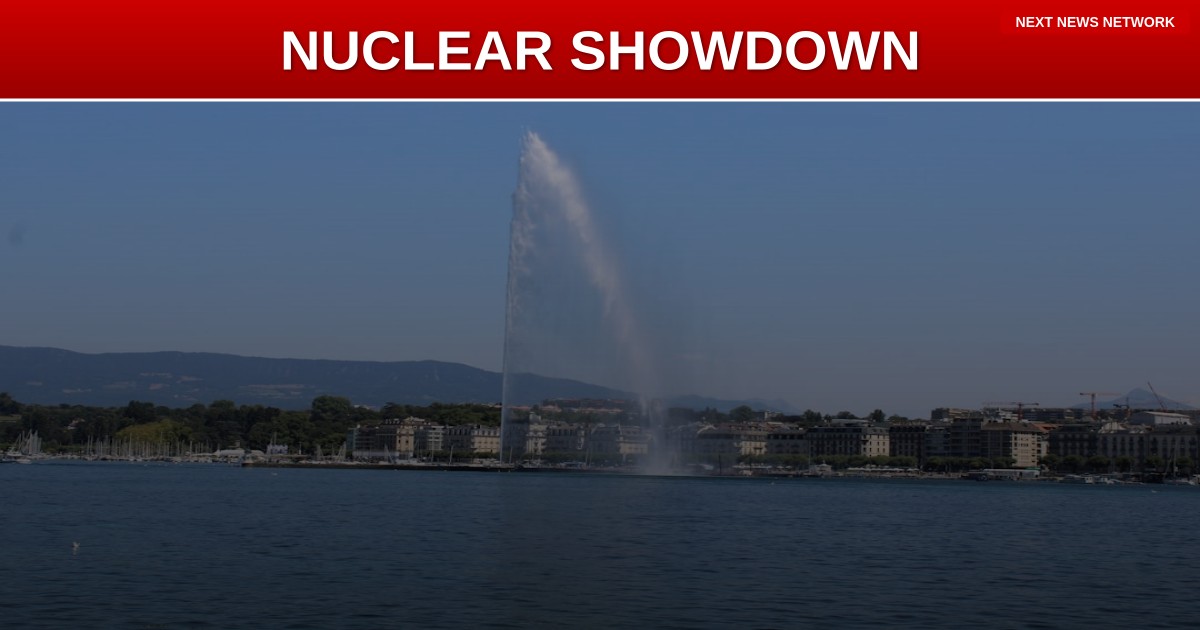
In a high-stakes diplomatic move, the Trump administration is gearing up for a second round of nuclear negotiations with Iran next week in Geneva, Switzerland, a development that could prove to be the most consequential foreign policy test of President Trump's second term.
The talks, mediated by Oman, have been confirmed by the Swiss Foreign Ministry to the Associated Press. While no specific date has been publicly announced, reports from Israeli media outlet Channel 12 indicate that the discussions could shape the trajectory of Middle East stability for years to come.
This comes amid lingering concerns from supporters of an America First agenda, who vividly recall the Joint Comprehensive Plan of Action (JCPOA), the Iran nuclear deal negotiated under former President Barack Obama. Critics have long described the agreement as catastrophic, arguing it provided billions of dollars to the world's leading state sponsor of terrorism while failing to curb Iran's nuclear ambitions.
The central question for many observers is whether the Trump team will negotiate from a position of strength or repeat what they view as the appeasement strategy of the Obama era. Iran's regime has accelerated its nuclear program in recent years, advancing toward weapons-grade uranium enrichment.
Tehran continues to fund terrorism across the region and bears responsibility for attacks on American troops, while issuing ongoing threats against Israel, America's key Middle East ally.
Leading the administration's foreign policy efforts are Secretary of State Marco Rubio and National Security Advisor Mike Waltz, whose involvement has sparked cautious optimism among conservatives that any potential deal will prioritize American interests over those of European globalists or the Iranian regime.