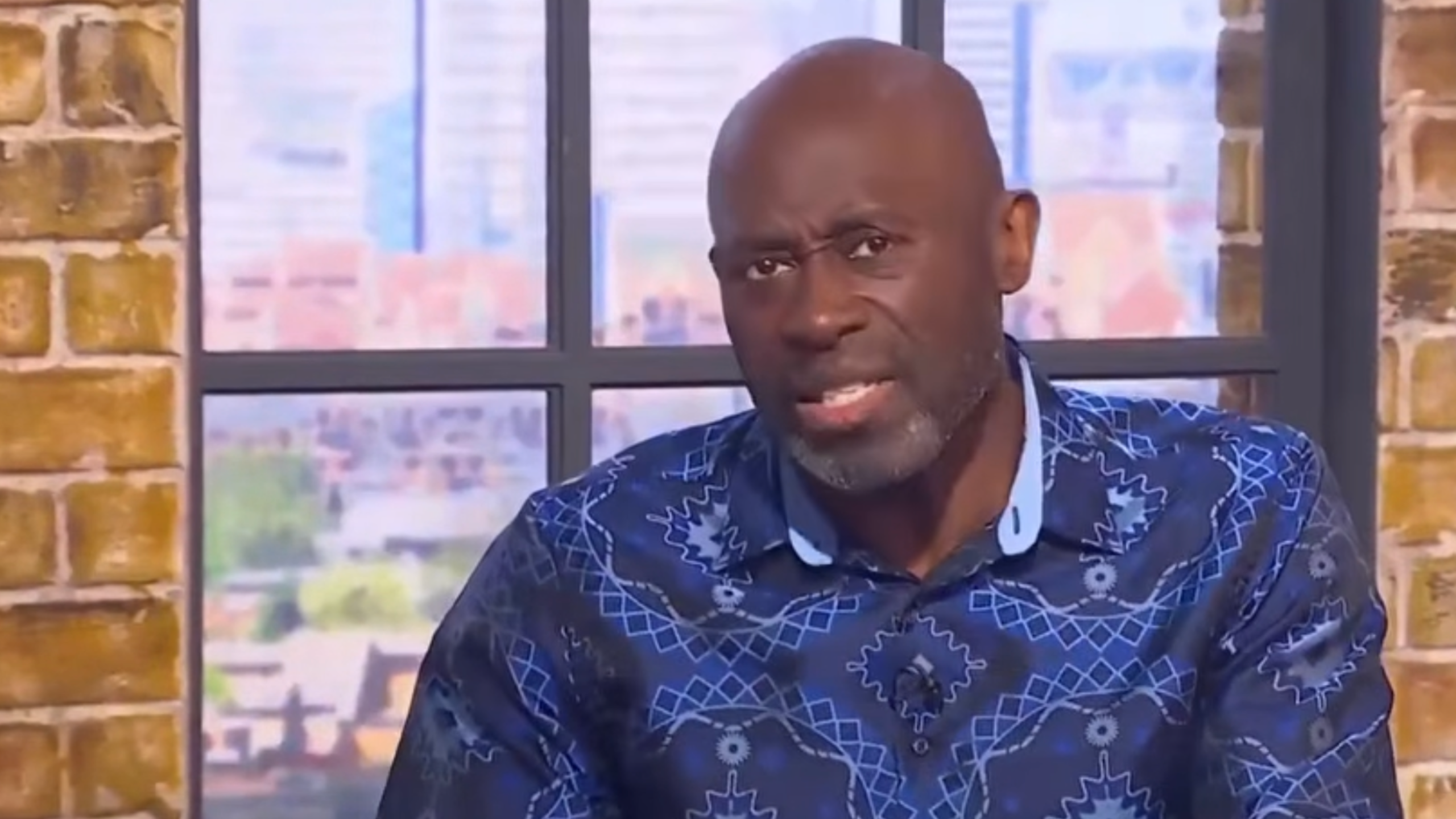
A contentious exchange on British daytime television has ignited widespread outrage after a London caller revealed he had been stabbed twice in the city, only for the host to dismiss his concerns by saying such incidents "happen sometimes" in large cities like London.
The incident unfolded during a February 2026 episode of the Channel 5 current affairs programme Jeremy Vine, a live weekday debate show produced by ITN Productions. The format features panel discussions alongside audience phone-ins addressing political and social issues, including crime and policing policies.
In the viral segment, the unidentified caller from London expressed that he no longer felt safe living in the capital. "I’ve been stabbed twice in London," he stated on air, highlighting his personal experience with violence. The presenter responded nonchalantly, remarking, "It’s a city. That happens sometimes," which many viewers interpreted as downplaying the severity of knife crime.
Clips of the exchange rapidly spread across social media platforms X and Facebook, amassing significant attention. One widely shared post described it as: "BREAKING - A British man is going viral after telling a UK TV host that he doesn’t feel safe in London, stating he has been stabbed twice in the city, and the host tells him to get over it." Critics accused the programme of trivializing public fears amid ongoing concerns about safety in London.
The controversy underscores broader tensions around how broadcasters handle discussions on violent crime, particularly knife crime, which remains a persistent political and policing challenge in the UK capital. Viewers expressed frustration online, replaying the moment to highlight what they saw as a dismissive tone from the studio.
Airings of Jeremy Vine occur weekday mornings on Channel 5, blending expert panels with public input on headline news. This phone-in segment, focused on crime and policing policy, amplified the caller's stark testimony against the presenter's measured reply, fueling a national debate on urban safety and media responsibility.
As the clip continued to circulate, it sparked accusations that the response failed to validate genuine public anxieties in a city where knife-related incidents have long been a flashpoint issue. The backlash reflects heightened sensitivity to narratives surrounding violence in London at a time when safety concerns dominate voter and media discourse.