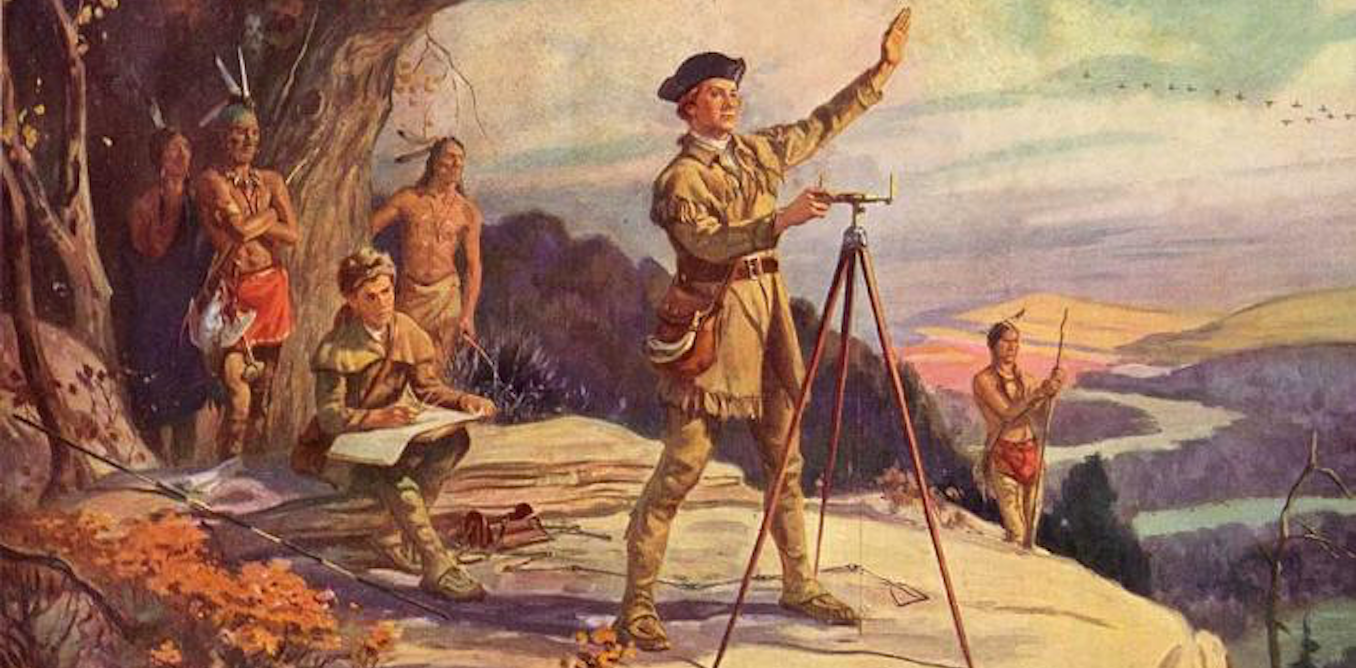
On this Presidents Day, a closer look at George Washington reveals not his triumphs, but a pivotal low point that forged his future leadership. In 1754, at just 22 years old, Washington ventured into the wilderness surrounding what is now Pittsburgh with more ambition than caution, an expedition that ignited an international conflict, ended his first military command, and imparted enduring lessons on warfare, diplomacy, and resilience.
The saga began in 1753 when Robert Dinwiddie, governor of Virginia, resolved to drive out French fur trappers and troops from a vital strategic point: the confluence of the Allegheny, Monongahela, and Ohio rivers. This remote wilderness juncture, today the heart of downtown Pittsburgh, was claimed by Virginia as its territory. King George II granted Dinwiddie authority to employ force if needed to secure these lands crisscrossed by the continent's mighty waterways.
Aspiring for a British army commission, Washington, then a major in the Virginia provincial militia, eagerly volunteered for the perilous assignment. His task was to deliver Dinwiddie's formal demand to the commander of French forces in the Ohio Valley, urging their retreat from the disputed region.
Washington marched into this untamed frontier on a mission that quickly escalated beyond a mere diplomatic courier role. The young officer's actions in the area around Fort Duquesne—where Pittsburgh now stands—proved disastrous, sparking the French and Indian War, an international conflagration that reshaped colonial North America and cost Washington his initial command.
Yet, as noted by a professor of early American history who has authored two books on the American Revolution, Washington's trials in Pennsylvania's wilderness were a crucible. They schooled him in the brutal realities of frontier warfare, the intricacies of international diplomacy amid clashing empires, and the steel of personal resilience required to rebound from failure.
This early misstep, marked by overambition in the face of French military presence, underscored the perils of underestimating wilderness combat and imperial rivalries. Washington's humbling experience in 1754 equipped him with hard-won insights that would prove invaluable during the American Revolution decades later.
Reflecting on these events offers timeless leadership wisdom: even icons like Washington stumbled spectacularly, transforming setbacks in Pennsylvania's wilds into foundational strengths that defined a nation's founding.
