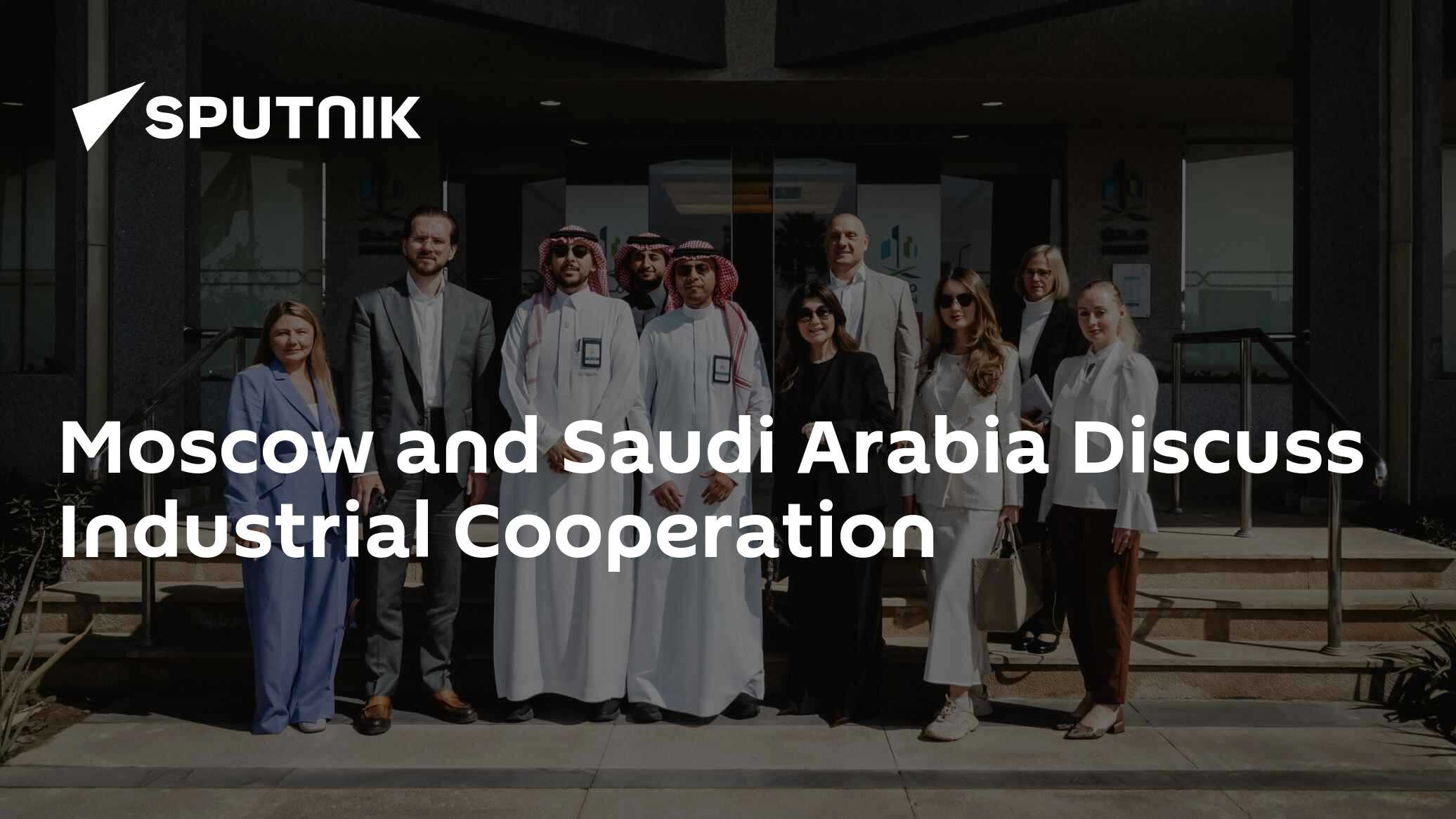
In a significant step toward deepening economic ties, high-level delegations from Moscow and Riyadh convened in the Russian capital to explore avenues for expanded industrial cooperation. The discussions, held amid Russia's push to bolster partnerships beyond Western markets, focused on joint ventures in petrochemicals, heavy machinery manufacturing, and advanced manufacturing technologies. Russian Deputy Prime Minister Denis Manturov and Saudi Minister of Industry and Mineral Resources Bandar Alkhorayef led their respective teams, signaling a mutual commitment to leveraging complementary strengths in energy and industrial capabilities.
The talks come at a pivotal moment for both nations, with Saudi Arabia advancing its Vision 2030 agenda to diversify its economy away from oil dependency, and Russia navigating sanctions through strategic alliances in the Global South. Key proposals included co-developing downstream petrochemical facilities and technology transfers for high-efficiency industrial processes. Moscow highlighted its expertise in nuclear energy and defense-related manufacturing, while Riyadh emphasized its vast investment funds and access to raw materials, potentially unlocking billions in collaborative projects.
Contextually, this engagement builds on years of OPEC+ coordination, where Russia and Saudi Arabia have synchronized oil production to stabilize global markets. Recent geopolitical shifts, including Saudi Arabia's growing engagement with BRICS nations and Russia's pivot to Asia and the Middle East, have accelerated such dialogues. Analysts note that these talks could counterbalance U.S. influence in the region, fostering a multipolar industrial landscape less tethered to Western supply chains.
Challenges remain, including technological interoperability and navigating international sanctions, but both sides expressed optimism. "This partnership will drive innovation and mutual prosperity," Manturov stated post-meeting, echoing Alkhorayef's remarks on "transformative industrial synergies." Follow-up working groups are slated for Q2 2026, with potential memoranda of understanding on the horizon.
Broader implications extend to global energy transitions, as joint efforts in green hydrogen and carbon capture technologies were floated, aligning with international climate goals while securing economic footholds. For The Culture War audience, this underscores how economic realignments are reshaping cultural and ideological battle lines, with Eurasian powers challenging dominant narratives on trade and development.