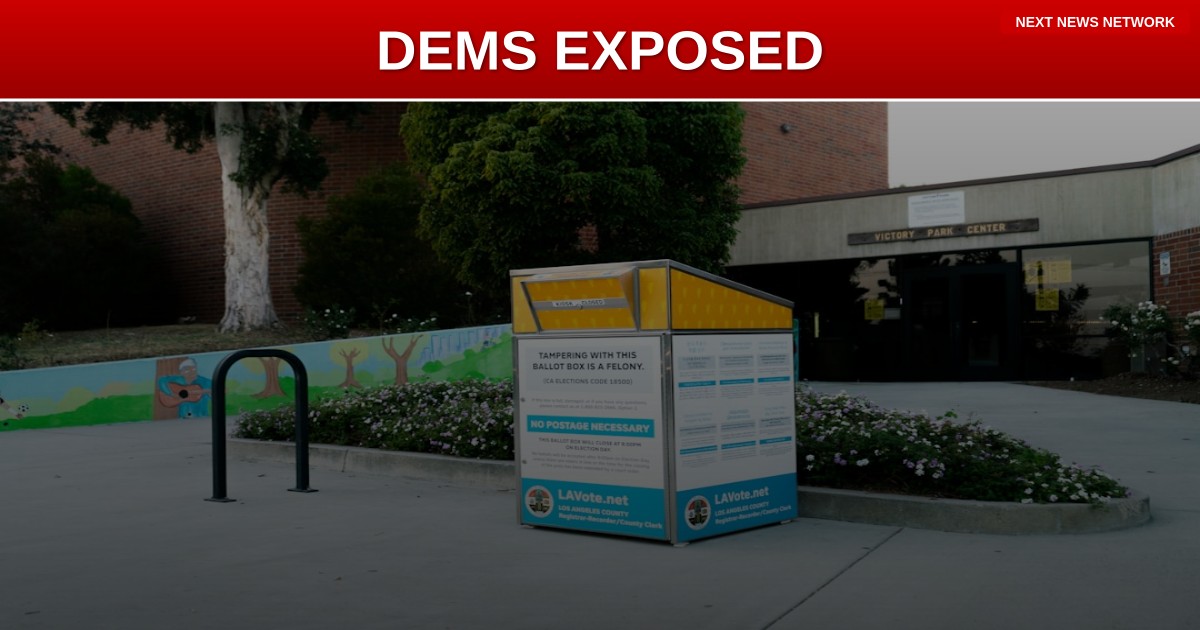
Democrats are mounting fierce opposition to the Safeguard American Voter Eligibility Act, known as the SAVE America Act, as their arguments against the legislation increasingly falter under examination. The bill, in its latest third iteration, mandates proof of U.S. citizenship for voting in federal elections, prompting accusations of panic from critics who argue it disrupts a system they claim relies on electoral disorder to advance certain agendas.
The SAVE America Act aims to ensure that only American citizens participate in deciding American elections, addressing previous concerns while upholding its fundamental purpose. Proponents describe it as common-sense reform, yet Democratic opponents continue to deploy familiar objections, labeling the citizenship verification requirement as discriminatory.
Critics on the left assert that requiring proof of citizenship discriminates against eligible voters, but they struggle to articulate how such verification targets actual citizens. The argument draws comparisons to standard requirements like a driver's license for operating a vehicle, which do not discriminate against those properly licensed.
Another key Democratic talking point centers on claims of voter suppression, overlooking the counterargument that illegal votes undermine the voices of legitimate American voters. Each fraudulent ballot, opponents of the bill contend, effectively cancels out a citizen's rightful vote, a dynamic that Democrats appear willing to tolerate.
Perhaps the most contested assertion from SAVE Act detractors is that citizenship checks are unnecessary, predicated on the notion that voter fraud is nonexistent. This stance clashes with widespread public observations of suspicious activities in recent elections, where millions of Americans reportedly witnessed irregularities and were urged to accept the outcomes without question.
The third version of the SAVE America Act has been positioned as refined and responsive, yet Democratic resistance persists unabated. As debates intensify, the legislation's focus on electoral integrity continues to highlight divisions over what constitutes fair participation in federal voting.
