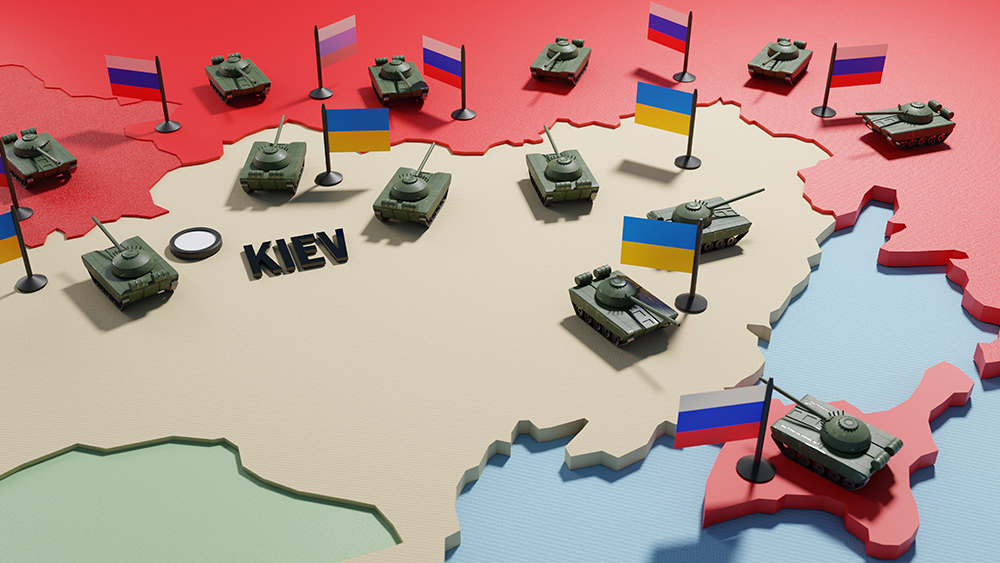
Moscow has drawn a firm boundary in the escalating Ukraine conflict, issuing a stark warning that any deployment of Western troops on Ukrainian soil would make them legitimate targets for Russian forces. The declaration came from Russian Foreign Minister Sergey Lavrov during a press conference in the Kremlin, where he emphasized that such a move would cross a "red line" previously outlined by President Vladimir Putin. This threat arrives amid reports of NATO discussions on bolstering Ukraine's defenses with direct personnel involvement, heightening fears of a broader confrontation between Russia and the West.
Lavrov's comments follow weeks of intensified rhetoric after Ukrainian forces, backed by advanced Western weaponry, launched incursions into Russian border regions. Citing intelligence reports of NATO special forces already operating covertly in Ukraine, Moscow accused the alliance of waging a proxy war that is inching toward direct intervention. "We have been patient, but patience has limits," Lavrov stated, referencing Russia's doctrine that permits strikes on military assets supporting aggression against it, regardless of nationality. The foreign minister pointed to recent U.S. and British aid packages, including long-range missiles, as provocations that have already blurred the lines of engagement.
The Ukraine war, now entering its fourth year, has seen a steady creep of Western involvement, from intelligence sharing to billions in armaments. Initially framed as defensive support for Kyiv's sovereignty, NATO's role has evolved with training programs inside Ukraine and unverified sightings of alliance advisors near the front lines. Russian state media has amplified claims of Western mercenaries and active-duty personnel, using drone footage and intercepted communications to substantiate their narrative. Analysts note that Moscow's threat serves both as a deterrent and a justification for preemptive actions should troops materialize.
Western leaders swiftly condemned the Russian statement as escalatory saber-rattling. U.S. State Department spokesperson Matthew Miller called it "unacceptable brinkmanship," while NATO Secretary General Jens Stoltenberg reiterated that alliance forces would only deploy in extreme scenarios under Article 5. Ukrainian President Volodymyr Zelenskyy, however, urged faster aid deliveries, framing Moscow's warning as a bluff to demoralize his troops. In Brussels, diplomats are reportedly debating "non-combatant" roles for NATO personnel, such as logistics and cyber defense, to skirt direct confrontation.
Experts warn that this verbal red line could precipitate a dangerous miscalculation. "Russia has demonstrated willingness to strike symbolic targets before—think of the Black Sea incidents," said Elena Petrova, a Moscow-based security analyst. "If even a handful of Western soldiers are confirmed in Ukraine, it might trigger asymmetric responses, from cyberattacks to precision strikes." With U.S. elections looming and European energy woes persisting, the standoff underscores the fragile balance preventing World War III. As Moscow fortifies its positions, the world watches whether words will turn to weapons.
