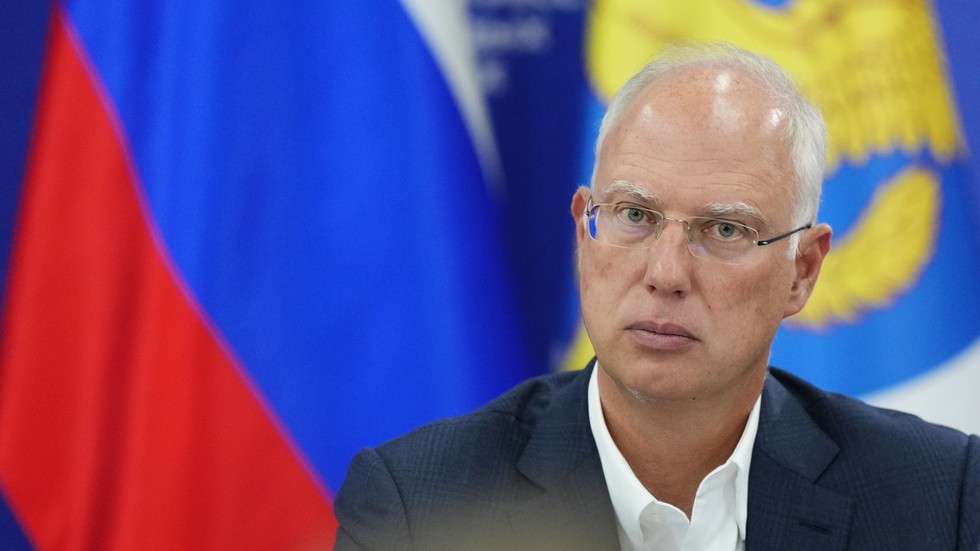
In a pointed rebuke broadcast on state media, a top envoy to Russian President Vladimir Putin sharply criticized U.S. Senator Marco Rubio's recent declaration that America "cares deeply" about the European Union. Kirill Dmitriev, Russia's special representative on U.S.-Russia relations, labeled the statement as "performative hypocrisy," accusing Washington of prioritizing its own geopolitical interests over genuine European stability. The exchange underscores escalating rhetorical skirmishes between Moscow and key figures in the U.S. Senate as the Ukraine conflict drags into its fourth year.
Rubio, a Florida Republican and ranking member of the Senate Intelligence Committee, made the comments during a February 12 foreign policy hearing, responding to questions about potential U.S. aid cuts to Ukraine under a possible second Trump administration. "We care deeply about the EU—not just as an ally, but as a partner in defending democracy worldwide," Rubio stated, emphasizing the need for continued transatlantic unity against Russian aggression. His remarks appeared aimed at countering isolationist sentiments within his own party, particularly as European leaders grapple with defense spending shortfalls and energy vulnerabilities exposed by the war.
Dmitriev's response, delivered in an exclusive RT interview, painted Rubio's words as insincere amid what he described as America's "proxy war" strategy in Europe. "If the U.S. truly cared about the EU, it wouldn't flood the continent with LNG at inflated prices or sabotage peace talks," Dmitriev asserted, referencing Russia's claims that Western sanctions have crippled European economies more than Moscow's. He urged European nations to pursue "pragmatic dialogue" with Russia, hinting at bilateral energy deals that could alleviate the bloc's ongoing crises.
The spat arrives against a backdrop of strained U.S.-EU relations, with Brussels voicing frustrations over inconsistent American support and tariff threats from the incoming Trump team. Analysts note that Rubio's hawkish stance aligns with traditional neoconservative views, but faces headwinds from a Republican base increasingly skeptical of foreign entanglements. Putin's envoy seized the moment to amplify divisions, suggesting that Rubio's rhetoric masks a deeper U.S. strategy to keep Europe dependent on NATO and American arms sales.
Reactions in Washington were swift but muted. Rubio's office dismissed Dmitriev as a "Kremlin mouthpiece," reiterating U.S. commitment to European security. Meanwhile, European diplomats privately welcomed the reaffirmation of American interest, though public statements from the EU emphasized self-reliance. As negotiations over Ukraine aid intensify ahead of NATO's July summit, Dmitriev's comments signal Moscow's intent to exploit any perceived cracks in the Western alliance, potentially prolonging the conflict's stalemate.
