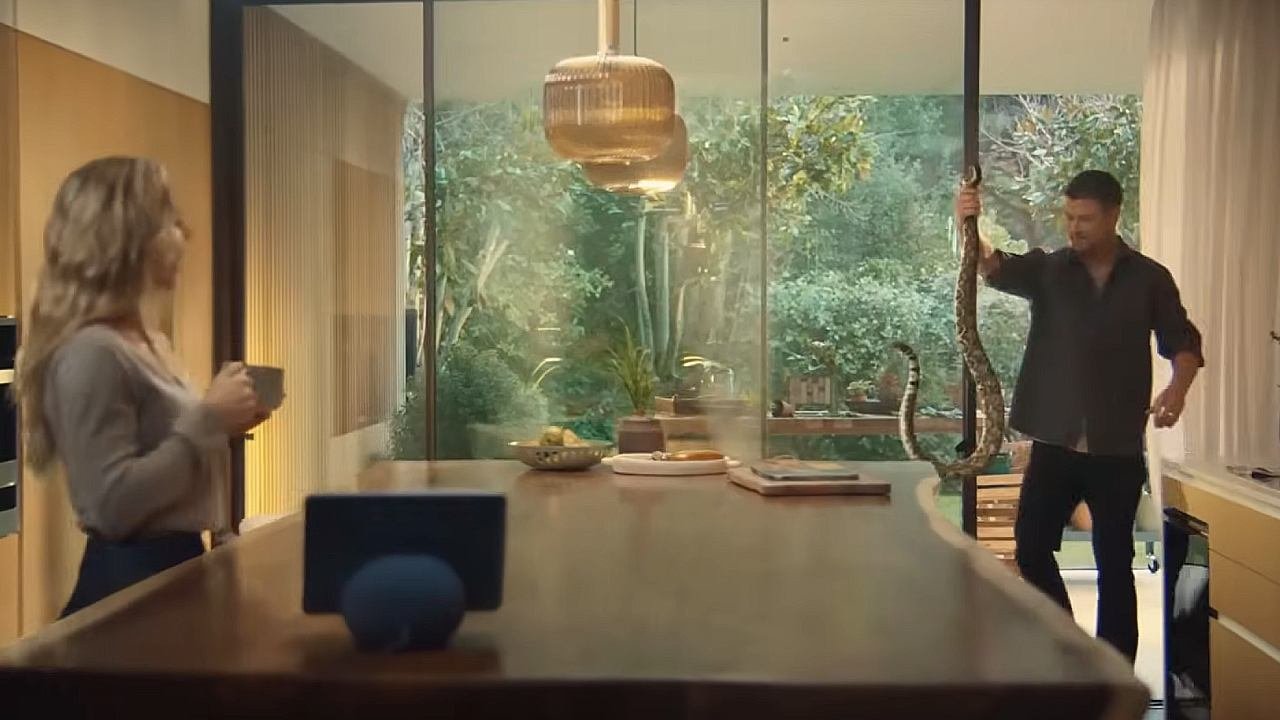
In a move that left millions of Super Bowl viewers scratching their heads, Amazon aired a surreal 60-second spot for its latest AI companion device, "Echo Prime," during the game's third quarter. The ad opens with a nondescript suburban family gathered around a dinner table, only for their Alexa-like orb to morph into a holographic, anthropomorphic robot that proceeds to lecture them on everything from carbon footprints to preferred pronouns—complete with jazz hands and a disco soundtrack. By the end, the family is joyfully uploading their consciousnesses into the cloud, chanting "Prime forever!" as fireworks explode in their living room. Social media erupted immediately, with #AmazonAIWTF trending worldwide and memes flooding platforms like X and TikTok.
The commercial, directed by an up-and-coming visionary from the Sundance circuit, was part of Amazon's aggressive push into generative AI, building on its investments in tools like Rufus, its shopping chatbot, and the newly unveiled Prime AI suite. Clocking in at an estimated $7 million for the slot—typical for Super Bowl prime time—the ad aimed to position Echo Prime as the ultimate household oracle, capable of not just ordering groceries but also mediating family disputes and enforcing "inclusive" dialogue. Amazon spokespeople defended the spot as "a bold vision of harmonious human-AI coexistence," but critics quickly pointed to its tone-deaf execution, blending utopian futurism with heavy-handed social messaging in a way that felt more like a rejected Black Mirror script than a product pitch.
Contextually, the ad arrives amid escalating culture war tensions over AI's role in society. Tech giants like Amazon have poured billions into artificial intelligence, promising efficiency gains while facing backlash for job displacements and ethical lapses—recall the recent lawsuits over AI training data scraped from artists' portfolios without consent. Amazon's choice to infuse the ad with progressive sermonizing, from climate activism to identity politics, mirrors a broader trend in corporate advertising where brands signal virtue amid consumer skepticism. Viewership data from Nielsen showed a 15% dip in tune-ins during the spot, with many opting for bathroom breaks or channel flips, underscoring how such messaging alienates mainstream audiences hungry for escapism on football's biggest night.
Reactions poured in from all corners. Conservative commentators like Ben Shapiro dubbed it "peak corporate clown world," arguing it exemplifies modernity's obsession with reprogramming human behavior through silicon overlords. Even left-leaning outlets like The Verge called it "cringe-inducing," questioning whether Amazon's AI evangelists mistook dystopian satire for aspirational marketing. Amazon CEO Andy Jassy tweeted post-game that the ad "sparked important conversations," but internal leaks suggest focus groups had flagged the holographic robot's "uncanny valley" creep factor well before airtime. Sales of Echo Prime reportedly spiked 20% overnight, buoyed by curiosity clicks, though long-term brand impact remains unclear.
Looking ahead, this bizarre broadcast signals deeper fault lines in the AI revolution. As companies race to embed intelligence into every gadget, the Super Bowl misfire highlights the risks of prioritizing ideological agendas over relatable storytelling. For The Culture War observer, it's a stark reminder: in the battle between tradition and transhumanism, even Big Tech's glitziest spectacles can't mask the underlying weirdness of a future where family dinners devolve into mandatory reeducation sessions courtesy of Jeff Bezos' algorithms.
