A hantavirus outbreak linked to the cruise ship MV Hondius has intensified scrutiny of the US public health response, with specialists questioning why federal messaging was so limited as the situation unfolded. The outbreak has reached eight cases, including three deaths, according to NPR, as concern grew over whether the CDC moved too slowly to alert doctors and reassure the public.
The criticism centres not on fears of a mass outbreak, as theWorld Health Organizationhas said the risk to the general public remains low, but on what experts say the episode reveals about US readiness after deep cuts to public health capacity. Health officials have identified the virus as the Andes hantavirus strain, which can spread between people in some circumstances, making the handling of public information especially sensitive.
On 11 April, a Dutch passenger aboard the ship died after contracting hantavirus, yet the CDC did not issue its first public statement until the evening of 6 May, about three and a half weeks later,according to NPR. By that stage, passengers had already disembarked across more than a dozen countries, including the United States, increasing the need for fast and co-ordinated health guidance.
Carlos del Rio of Emory University's School of Public Health said the CDC would typically issue a Health Alert Network notice to brief clinicians on outbreak details, transmission risks and containment steps. He also said earlier outbreaks such as SARS and COVID brought regular press briefings and visible field deployment, adding, 'So to me, the silence that we're seeing from our premier public health institution is really concerning to me.'
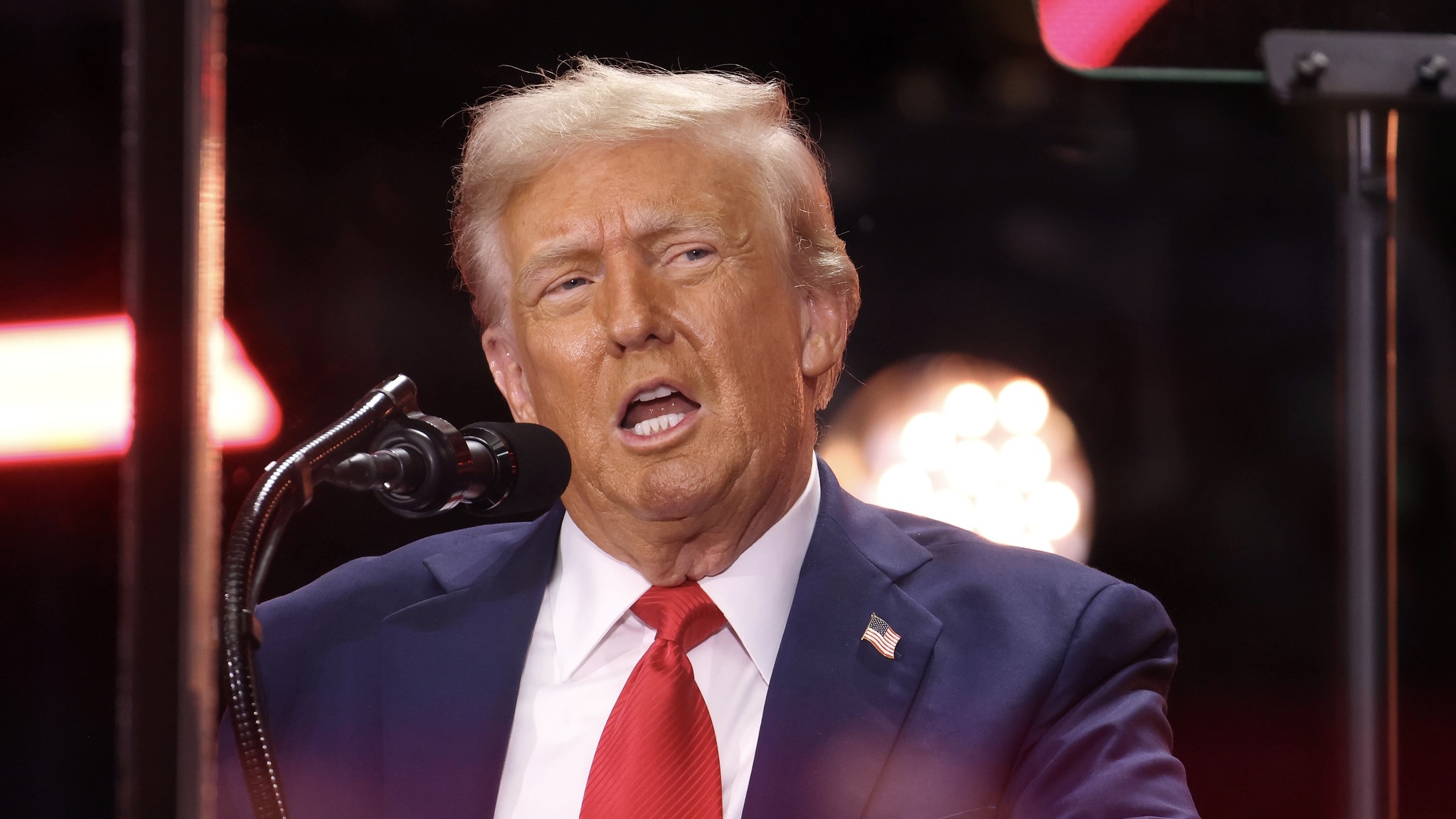
Jeanne Marrazzo, head of the Infectious Disease Society of America, linked the subdued public response to major funding and workforce cuts made under theTrump administration over the past year and a half. She said the CDC had lost at least a quarter of its staff, amounting to thousands of employees, according to NPR's report.
Marrazzo said the outbreak should be treated as a warning about the country's wider preparedness, not simply as an isolated cruise ship incident, adding, 'And right now, I'm very sorry to say that we are not prepared.' She also questioned whether officials were pursuing emergency authorisation for experimental treatments or vaccines, noting that hantavirus can be deadly and that there is no specific treatment.
TheCDC later said the Trump administration's highest priority was the safety and security of Americans, and that federal officials were in close contact with the ship's staff, US passengers and international authorities. In a subsequent update, the agency said it was deploying epidemiologists and medical personnel to the Canary Islands and Nebraska as part of its response and repatriation planning.
An HHS official told NPR that several states, including Texas, California, Georgia and Virginia, had been notified about residents who had travelled on the ship. The WHO also said its scientific and technical collaboration with US officials had continued despite Washington's withdrawal from the organisation, with regular contact still taking place.
Doctors in the US said the information reaching clinicians had been minimal, with Stanford infectious disease expert Abraar Karan describing the lack of clear federal communication as part of a broader trend. That broader concern was reflected inNPR reporting, which showed that the central worry was less about this outbreak becoming another pandemic and more about what a quieter, thinner response could mean when the next serious health threat arrives.
Marrazzo said the central concern is less about this outbreak becoming another pandemic and more about what a quieter, reduced-capacity response could mean when the next serious health threat arrives. International health authorities continue to say the wider public risk remains low, but the episode has prompted renewed debate about whether a federal public health system diminished by staffing cuts can still respond with the speed and authority an emerging outbreak demands.
Source: International Business Times UK
