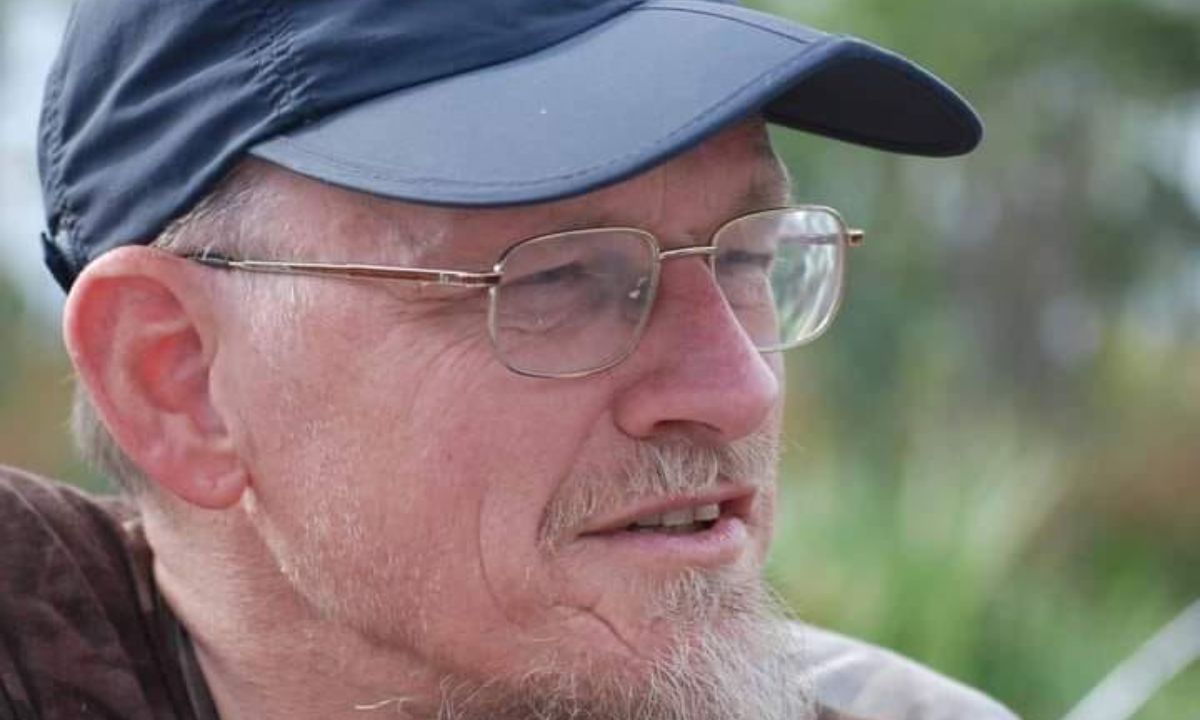
Dutch ornithologist Leo Schilperoord, 70, has been identified as the likely initial patient in the hantavirus cluster that originated aboard the MV Hondius cruise vessel, with exposure traced to a municipal landfill near the southern Argentine city of Ushuaia.
Schilperoord and his wife, Mirjam, 69, contracted the pathogen during a birdwatching expedition in Argentina. Both subsequently died: Leo aboard the vessel on 11 April, and Mirjam at Johannesburg's OR Tambo International Airport on 25 April.
On 27 March, the Schilperoords visited a municipal landfill four miles outside Ushuaia. Local residents strictly avoid the sprawling waste facility, but it remains a sought-after destination for wildlife enthusiasts. The site is famous among global birdwatchers hoping to photograph the rare white-throated caracara, a species first documented by Charles Darwin.
Argentine health authorities suspect the couple was exposed to the virus while navigating the rubbish mounds. Investigators believe they inhaled aerosolised particles from the faeces of long-tailed pygmy rice rats dwelling in the trash. These rodents carry the Andes strain of hantavirus, which is the only variant known to allow human-to-human transmission.
Gastón Bretti, a local photographer and expedition guide, explained the site's unique appeal to Ansa Latina. 'It is common for birdwatchers to visit landfills because there are many birds there,' he stated.
However, the severe environmental conditions present significant health hazards. 'It's a mountain of waste that today far exceeds the limit initially established by the authorities,' Bretti noted regarding the overwhelmed facility.
Shortly after their landfill visit, the couple boarded the MV Hondius on 1 April alongside 112 other international passengers. The vessel's manifest included numerous scientists and dedicated wildlife observers departing from Ushuaia. By 6 April, Leo began exhibiting severe medical symptoms, including fever, headache, stomach pain, and persistent diarrhoea.
Medical treatments proved unsuccessful as his condition deteriorated in the ship's medical quarters. He succumbed to the illness on 11 April. The vessel continued its voyage until Mirjam disembarked with her husband's remains on 24 April at the Atlantic island of Saint Helena.
She sought transport to Europe, flying first to a transit hub in Johannesburg. Upon attempting to board a KLM flight bound for the Netherlands, crew members determined she was too severely ill to travel. She was removed from the aircraft, collapsed inside the terminal, and died on 25 April.
Hantavirus “Patient Zero” has been identified as Leo Schilperoord, a 70-year-old Dutch ornithologist who visited a landfill in Argentina, containing rodents potentially carrying the Andes virus strainpic.twitter.com/6EHWy2RH5u
Source: International Business Times UK
