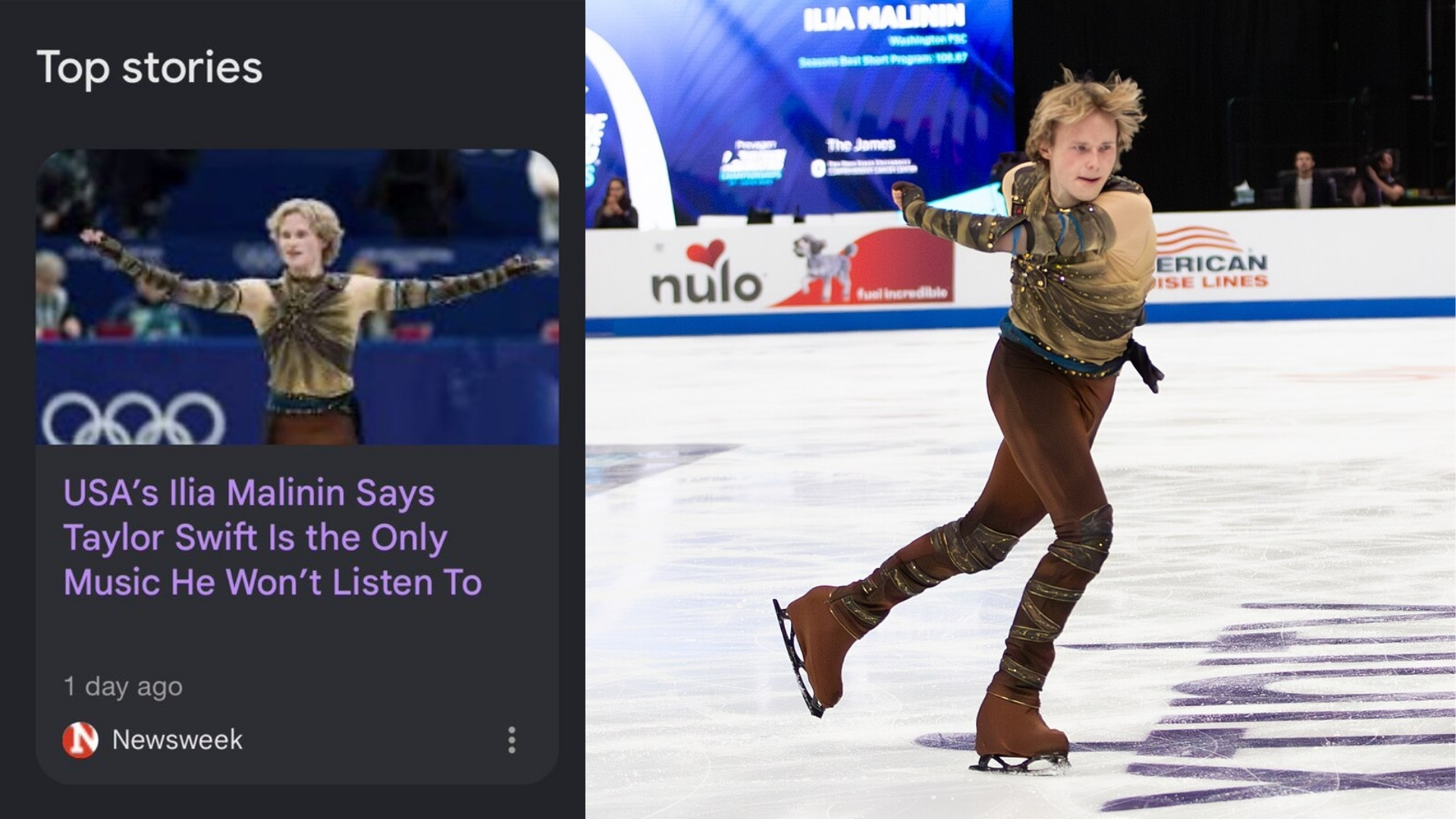
In a stunning upset at the 2026 Winter Olympics in Italy, American figure skater Ilia Malinin, the reigning 'Quad God' known for his breathtaking quadruple jumps, plummeted to eighth place after two costly falls, leaving fans worldwide reeling. The highly anticipated performance turned into a nightmare for the gold-medal favorite, sparking an unexpected viral backlash tied to his pre-competition dismissal of pop icon Taylor Swift.
Malinin entered the event with sky-high expectations, having dominated the lead-up with his signature quad jumps that earned him the 'Quad God' moniker. Fans and analysts alike predicted a gold medal triumph for the U.S. skater, but the pressure of the Olympic stage proved too much as he faltered dramatically during his routine.
The competition unfolded disastrously for Malinin, who suffered two falls that derailed his program and dropped him from contention. By the final standings, he had settled in eighth place—a shocking result that stunned viewers and ignited immediate discussions across social media platforms.
Adding fuel to the online fire was Malinin's candid pre-Games remark to reporters, where he declared he would 'never, ever listen to' Taylor Swift's music. The comment, made in the lead-up to the Olympics, quickly resurfaced as Swift's devoted fans seized on it to explain his misfortune.
Dubbed 'Tayvoodoo' by Swifties, the playful superstition linked Malinin's falls directly to his rejection of the pop superstar's tunes. Social media erupted with memes and jabs, turning the skater's Olympic heartbreak into a lighthearted pop culture phenomenon.
On X, one user quipped, 'Malinin called it: never Swift, always regret. Tayvoodoo strikes again.' Another post declared, 'tayvoodoo never misses,' accompanied by a video clip and image highlighting the skater's mishaps, amplifying the viral trend.
The 'Tayvoodoo' narrative spread rapidly, captivating audiences beyond the skating world and blending sports disappointment with fan-driven pop culture lore. As Malinin reflects on his eighth-place finish, the internet's creative response ensures his Olympic story—and his Swift snub—will linger long after the medals are awarded.
