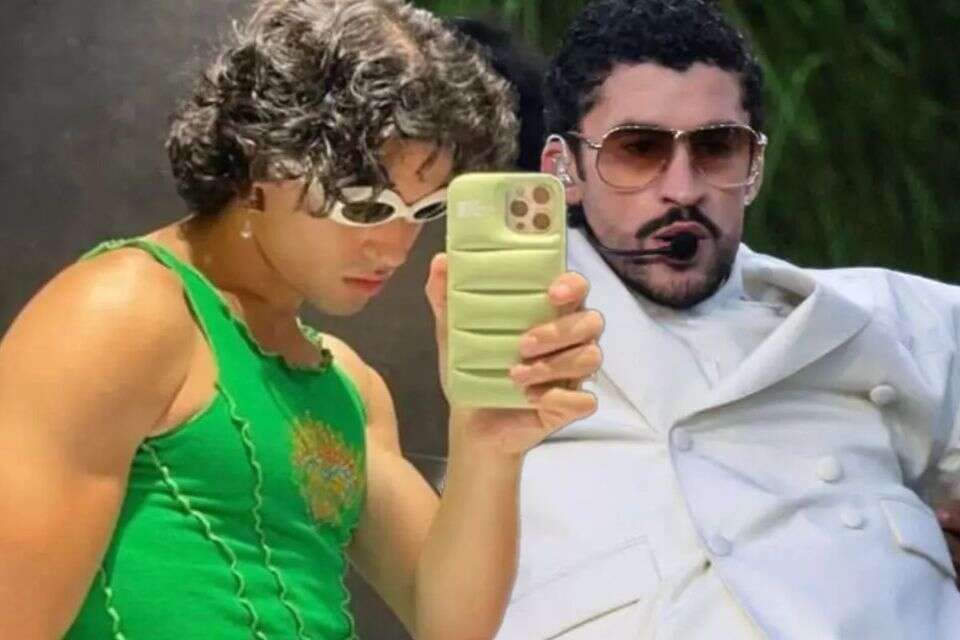
In the evolving landscape of modern masculinity, a new generation of celebrities is challenging traditional boundaries, prompting observers to question why so many prominent men appear to blur the lines of conventional gender norms. From the groomed, sensitive aesthetic of 2000s metrosexuality—always accompanied by the caveat "don't worry, I'm straight"—to today's refusal to engage in such clarifications altogether, cultural commentators note a significant shift.
Metrosexuality marked an important but limited moment in the early 2000s, where men embraced grooming, sensitivity, and aesthetics only by emphatically distinguishing themselves from homosexuality. This era's masculinity advanced primarily by defining what it was not, rather than exploring fluidity without qualifiers.
Today, the conversation has transformed. Famous men like Bad Bunny are no longer playing with gender; they simply inhabit a world where it is no longer an issue. Similarly, Harry Styles refuses to select a single identity for the audience's comfort, neither blurring nor confirming interpretations.
A clear cultural milestone is evident in the stars of the TV show "יריבות לוהטת" (Hot Rivalry), where two men embody explicit male sexuality alongside mainstream success that demands no apologies or explanations. What was once inconceivable is now commonplace.
Figures such as Pedro Pascal and Alexander Skarsgård epitomize this tension: classic masculinity marked by strength and charisma, paired with softness, winks, and a refusal to be boxed into one definition. This new archetype balances rugged appeal with openness.
Yet, this evolution is not purely liberating; it is also a cultural product. In a world where explicit or implied queerness holds immense symbolic power and is highly marketable, it is easy to flirt with ambiguity without fully committing—remaining intriguing, open, and undefined just enough to stay safe and mainstream.
Amid the cynicism, one undeniable truth persists: masculinity that allows room for interpretation is preferable to that rooted in fear or denial. A generation raised on images of men embracing, confusing boundaries, and avoiding hasty definitions is better than models built on control and anger.
The new masculinity is imperfect—sometimes a pose or strategy—but between pose and authenticity lies genuine change. It is not merely updated metrosexuality; it is a form of manhood that no longer needs to proclaim what it is not.